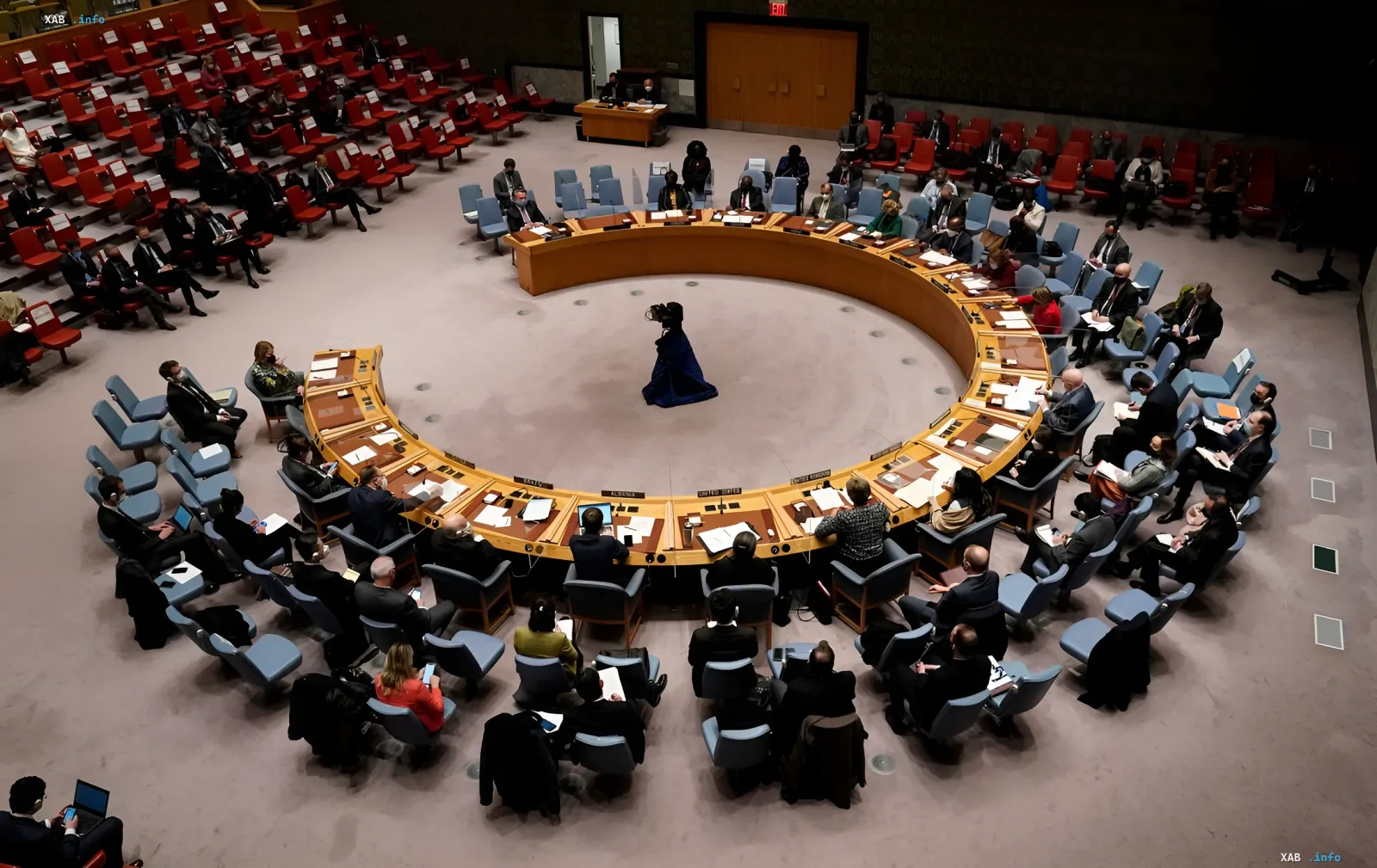
The UN Security Council will hold an emergency meeting on Monday, June 8, dedicated to the latest massive attack by Russia on Ukrainian territory. The initiative to hold the meeting comes from Kyiv, which has called on the international community to respond to the escalation of violence.
Official confirmation of the meeting was given by the Minister of Foreign Affairs of Ukraine, Andriy Sybiha. In his post on the social network X, he emphasized that constant support from partners is necessary to advance President Volodymyr Zelenskyy's plan to end the war.
"Terror Instead of Diplomacy"
The head of the Ukrainian Ministry of Foreign Affairs called the latest series of Russian strikes direct proof that Moscow continues to choose the path of escalation rather than peace. "This is another reminder that Moscow prefers terror over diplomacy," Sybiha stated. He also noted the importance of international pressure on Russia to comply with the UN Charter.
The Ukrainian side expressed gratitude to partners for their contribution to achieving a comprehensive and just peace, however, the emphasis was placed on the need for immediate action in response to military operations.
Zelenskyy's Letter and Putin's Response
The reason for the intensification of the discussion was also an open letter that Volodymyr Zelenskyy sent to Vladimir Putin on Thursday. In the document, the President of Ukraine stated his readiness to end the war through direct negotiations and proposed setting a date and place for a meeting to cease hostilities.
The response from the Russian leader came during a speech at the St. Petersburg International Economic Forum (SPIEF). Vladimir Putin stated that he sees no point in a meeting, noting that such a format is beneficial only to Ukraine in order to stop the "offensive" of Russian troops.
Consequences of the Night Attack
The background for the emergency meeting was created on the night of June 2, when Russia carried out another combined attack using missiles and drones. As a result of the strikes, significant damage to civilian infrastructure was recorded. Kyiv, Dnipro, and Kharkiv were the most severely affected, where the strikes damaged vital utility facilities.


