On August 12, 2026, when cashless payment technologies reached their peak, the habit of carrying a physical wallet remains relevant for millions of people. However, the contents of this accessory often spark debate: some believe that old receipts should not be stored due to the superstition of money "leaking" away, while others point to real security threats when storing PIN codes next to cards. Experts and folk traditions agree on one thing: order in the wallet is not just about aesthetics, but a matter of financial health and data protection.
Mysticism and order: why you shouldn't store old receipts and crumpled bills
In folk beliefs, the wallet has always held a special status. It is not just a pocket for bills, but a place where, according to superstitions, money "lives." This is why its contents are treated with heightened attention. One of the most common superstitions is the prohibition against storing old receipts. They are attributed the symbolism of already spent money: if the wallet is constantly stuffed with reminders of past purchases, it supposedly hinders new bills from staying in it. In practical terms, the reason is even simpler — receipts accumulate, tear, and create a mess, making it difficult to find the necessary amount.
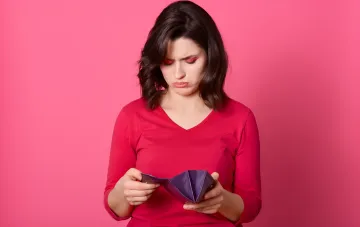
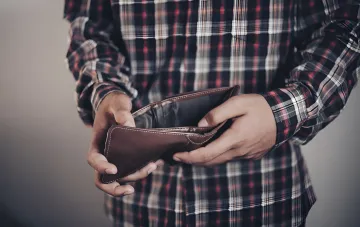
Crumpled or torn bills are also not recommended for storage. In superstitions, money loves order, so banknotes should not be crumpled or stuffed carelessly into the wallet. It is believed that a neat attitude towards money symbolizes respect for abundance. An empty wallet is another well-known superstition. It is especially remembered when it comes to a new wallet: it is not advised to give it empty. At least one bill or coin should be placed inside as a symbol that money will not run out of it.
Digital security: what to remove from the wallet to protect data
Here mysticism ends and ordinary everyday security begins. In 2026, when cybercrime has reached new heights, storing sensitive information in paper form next to cards becomes a critical error. A bank card PIN code, written on a piece of paper and placed in the same wallet where the card lies, is a direct path to theft of funds. In case of losing the wallet, the perpetrator gets both the card and the hint to it immediately.
Passwords and access codes, logins, backup codes, and other confidential information should also not be carried on paper together with cards and documents. Do not carry all the cards you have with you: if you use two cards every day, there is little point in carrying five more. Losing the wallet would then turn into a much bigger problem. Documents that you do not need today, such as passport details, various IDs, copies of documents, should not travel with you around the city without necessity. It is better not to turn the wallet into a portable archive of personal information.
Practical minimalism: old discount cards and extra papers
Old discount cards are a particularly treacherous category: you feel sorry to throw away one card, and another too, but after a year the wallet no longer closes. Keep only those that you actually use. Dried receipts and papers with phone numbers, if the information is no longer needed, should not be in the wallet. The less extra stuff inside, the easier it is to notice if something important is lost. Medicine or small pills without packaging, even if it seems convenient to put them "just in case," is not the best place in the wallet. Especially when it is unclear what exactly is inside.
Contradictory data: superstitions versus common sense
There are contradictions between folk beliefs and modern practices. For example, some sources claim that souvenir money, toy bills, decorative banknotes, and money with funny inscriptions should not be mixed with real ones. The logic here is simple: the wallet should presumably be intended for real money, not for their imitations. However, other experts believe this is a prejudice, and the presence of souvenir money does not affect financial well-being. Other people's bills that you carry for months also cause controversy: if you were given money to pass on to another person, do not turn the wallet into their permanent storage. In superstitions, it is believed that other people's money should not stay in someone else's wallet for long, but from a practical point of view, it does not matter.
Conclusion: balance between tradition and modernity
There is also a very simple rule that combines old superstitions with modern common sense: the wallet should not be a collection of everything you are sorry to throw away. If you remove old receipts, unnecessary cards, notes, and extra documents, keep the bills clean, and store important codes separately, it will become much more convenient. In 2026, when technology allows storing money in digital form, a physical wallet becomes more of a status symbol than a necessity. However, if you still prefer to carry cash with you, remember the rules of security and order.