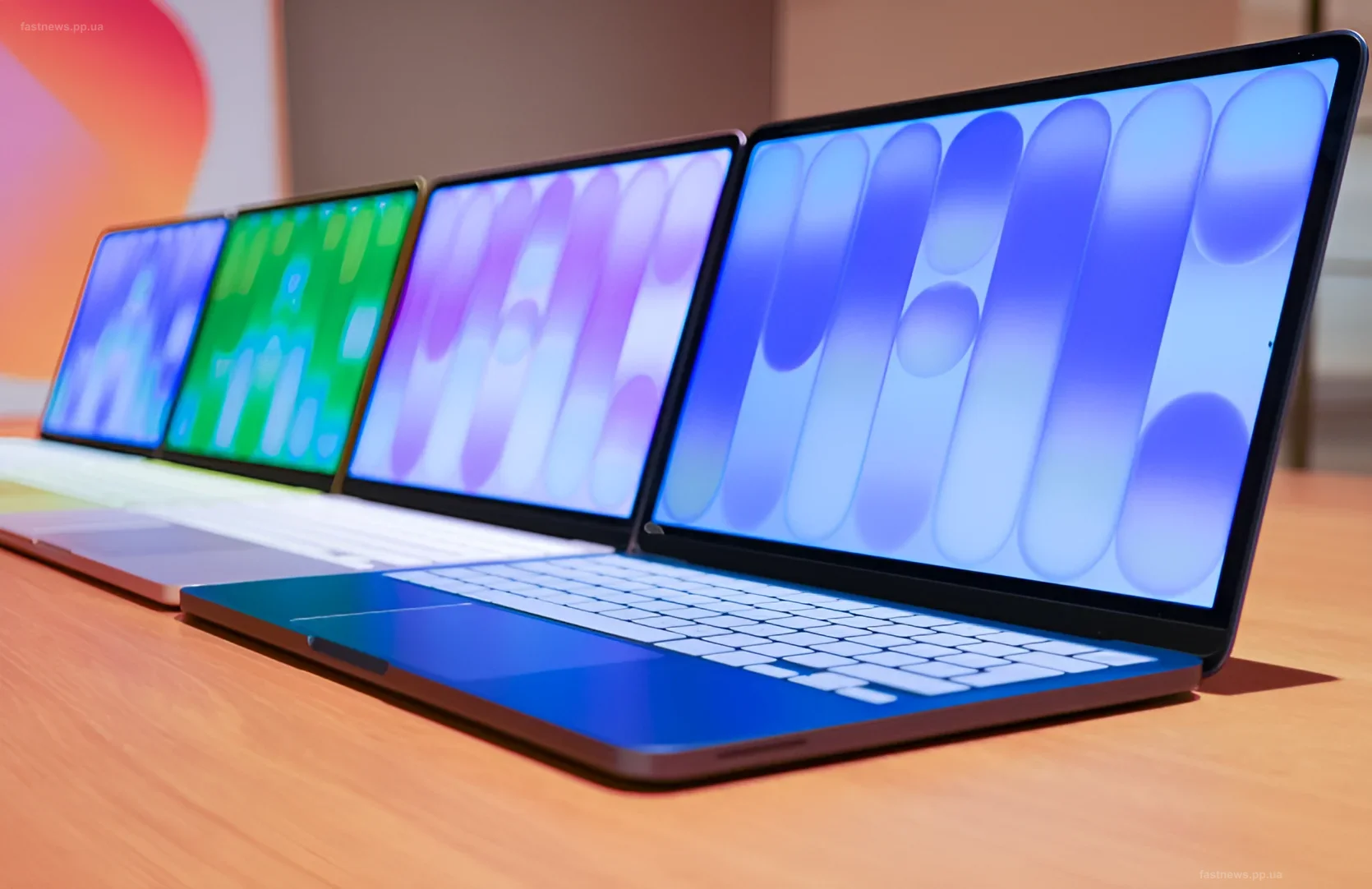
The era of affordable Apple laptops appears to be coming to an end. The MacBook Neo model, which became a true bestseller in the budget segment, may be discontinued. The irony of the situation is that the reason lies not in a lack of demand, but in the harsh economics of the semiconductor industry.
Apple's main chip supplier, the Taiwanese giant TSMC, is preparing an unpleasant surprise for Cupertino. According to insider data, the cost of manufacturing processors using the cutting-edge 3nm process will increase by 15% by the second half of this year. By next year, surcharges could reach another 10%. For the A18 Pro chips, which form the basis of the MacBook Neo, this means that the device's cost price will inevitably rise.
Apple will likely not be able to maintain the old price of $599. Even if the company tries to absorb some of the costs, the final price for the consumer will increase by at least $100. In conditions where the margin on budget devices is already thin, this could make the model unprofitable.
Competitors' Counterattack
While Apple struggles with rising chip prices, competitors based on Windows and ARM are preparing for a massive offensive. Initially, the launch of the MacBook Neo caught the industry off guard, but now the response is ready. Laptop manufacturers have synchronized their releases to offer an alternative.
The key players here are the new Intel Core Series 3 processors (Wildcat Lake architecture). These are specialized budget chips created to compete directly with Apple Silicon. They use the latest CPU and GPU architectures, but are manufactured using a cheaper 18nm process, which allows prices to be kept under control.
The market is already reacting:
- Lenovo has announced the IdeaPad Slim series with new processors, offering up to 16 GB of RAM and displays with a 120 Hz refresh rate.
- Asus and HP have also presented their models, capable of challenging Apple in terms of price-to-performance ratio.
- ASUS Vivobook 16SE has already launched with a 144 Hz screen for a price starting at $675, offering specifications that were previously unavailable in this segment.
The Intel Firefly Revolution
In addition to new chips, Intel is launching the Firefly project, which could turn the tables in the budget segment. The idea is simple, but brilliant: adopt a standardized approach from the Chinese smartphone industry. Components — from motherboards to connectors and batteries — will be unified across different models.
This will allow manufacturers to significantly reduce assembly costs and simplify logistics. The first beneficiary of the project will be the Lenovo Lecoo Air 14. Historically, laptops under $500 were forced to sacrifice build quality and speed. Now, thanks to Firefly and new chips, they can offer a worthy alternative to the MacBook Neo.
Thus, Apple finds itself in a difficult situation: on one hand — rising component prices from TSMC, on the other — an aggressive offensive by competitors with cheaper, yet powerful solutions. The era of the cheap MacBook Neo will most likely end, giving way to a new market reality.


