The world stands on the brink of a historical turning point: the era of gradual reduction of nuclear arsenals, lasting since the end of the Cold War, is coming to an end. According to the annual report by the Stockholm International Peace Research Institute (SIPRI), published on June 8, the number of nuclear warheads worldwide may begin to grow for the first time in decades.
Nine nuclear powers — the USA, Russia, the UK, France, China, India, Pakistan, North Korea, and Israel — continued active modernization programs in 2025. Instead of decommissioning weapons, most countries deployed new nuclear or nuclear-capable systems.
Figures of global risk
As of January 2025, there were approximately 12,187 nuclear warheads in the world. Of these, about 9,745 units were in arsenals ready for potential use. The situation looks alarming: about 4,012 warheads are deployed on missiles and aircraft, and between 2,100 and 2,200 are in a state of high combat readiness on ballistic missiles. Almost all of this "hot" stock belongs to Russia and the USA.
Previously, the rate of destruction of old warheads exceeded the rate of creation of new ones, ensuring an overall reduction in arsenals. However, according to SIPRI data, this trend has reversed: dismantling is slowing down, while the deployment of new weapons is accelerating.
Crisis of control and new threats
"There is increasing evidence that nuclear powers are pushing aside and even rejecting their disarmament obligations," stated Hans M. Kristensen, a senior researcher at SIPRI's Weapons of Mass Destruction program. Experts warn that states appealing to nuclear solutions are fueling the dynamics of an arms race.
SIPRI Director Karim Haggag pointed to the growing dangers caused by technological progress and the collapse of the arms control system. In particular, the very logic of nuclear deterrence is being questioned against the backdrop of heightened geopolitical tension and armed conflicts between nuclear powers, such as India and Pakistan.
Situation in Russia: modernization and testing
Russia and the USA together control approximately 83% of all stockpiled nuclear warheads. Although the size of their stockpiles remained relatively stable in 2025, large-scale modernization programs promise an increase in arsenals in the future.
The process of updating weapons in the RF is not without difficulties. In 2025, another test of the "Sarmat" intercontinental ballistic missile ended in failure. The modernization program was also affected by Western sanctions and expenses related to the war in Ukraine. Nevertheless, the "Burevestnik" cruise missile with a nuclear power plant, after a series of failures, successfully passed a test with a range of over 14,000 kilometers.
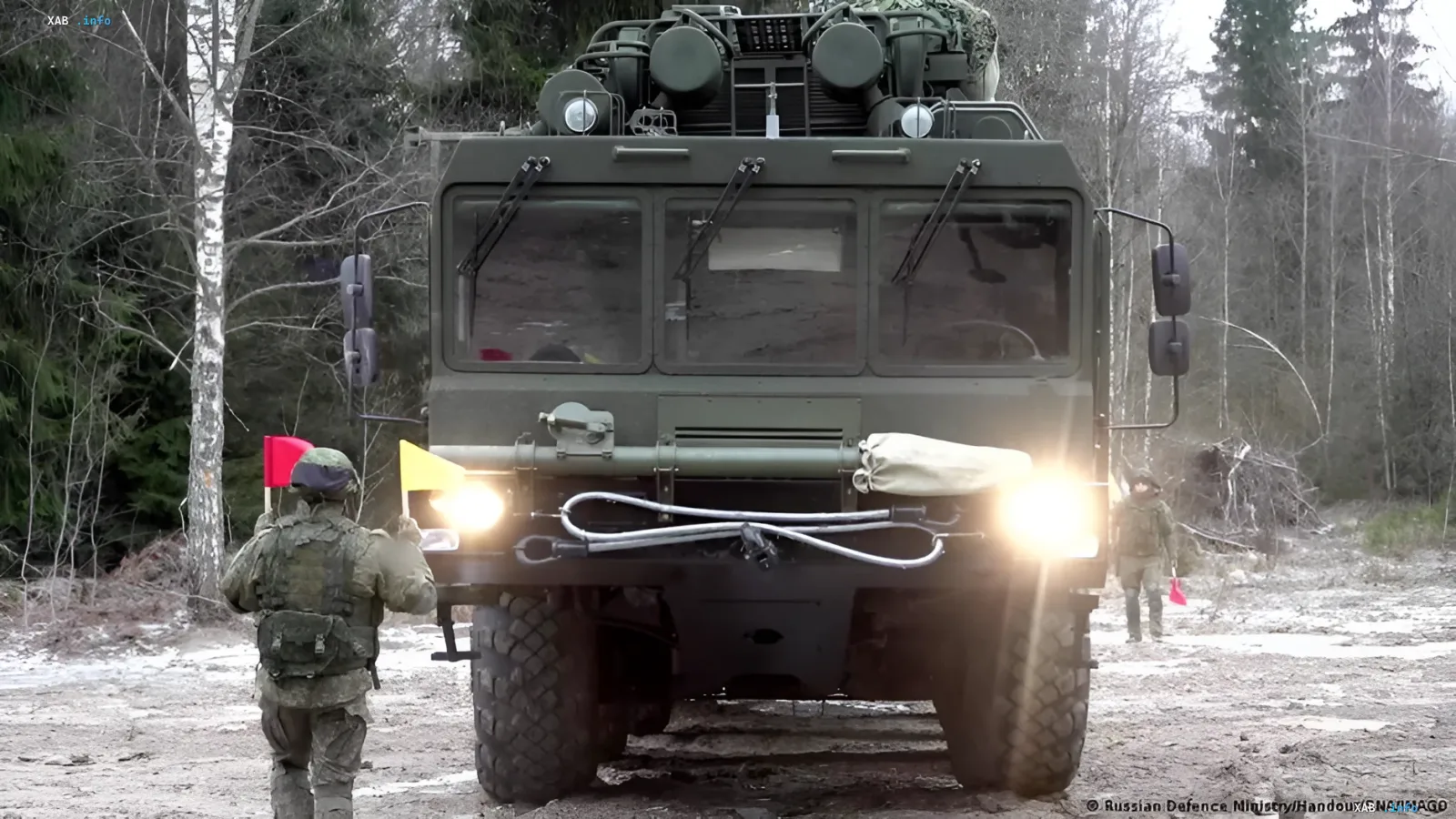
An important event was the start of construction in Belarus of an advanced operational base for the dual-purpose medium-range missile "Oreshnik". In May 2026, this missile was used against Ukraine with conventional warheads. At the same time, experts note that the significant growth of Russia's non-strategic nuclear warheads, which was predicted in the USA back in 2020, has not occurred.
In the future, the Russian arsenal will grow, mainly due to the placement of a larger number of warheads on each missile. Additional uncertainty is introduced by the expiration of the New START treaty in February 2026.
American response and the "Golden Dome"
The USA is also facing challenges. The program to modernize the American nuclear shield suffers from funding and planning difficulties, which threatens delays and increased costs for projects. The intention to add new non-strategic nuclear weapons to the arsenal will create an additional burden on the budget.
Experts paid special attention to the Trump administration's plans to create the "Golden Dome" missile defense system. The cost of the project is estimated at $1.2 trillion. Experts believe that the growth of the American arsenal in the future is possible due to the deployment of a larger number of warheads on existing installations, the reactivation of vacant launchers, and the addition of new non-strategic weapons — including in response to deployments in China.


