
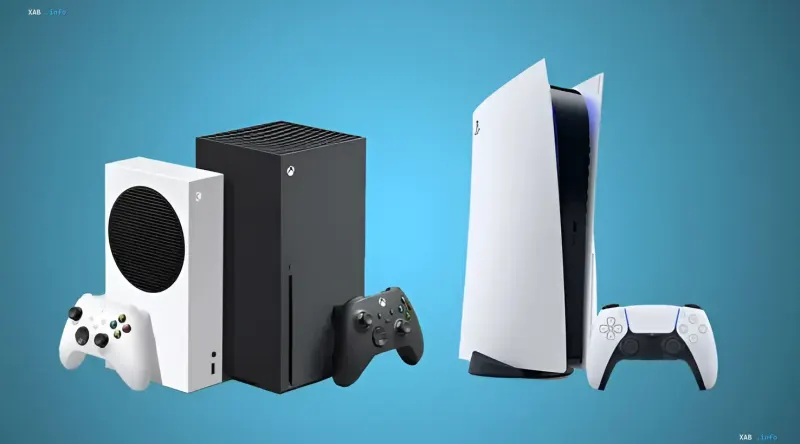
The interactive entertainment industry stands on the brink of fundamental changes. According to a new analytical piece by GameSpot, by 2026, the console market will face serious challenges: from a sharp rise in hardware prices to a complete abandonment of physical media. Experts state that the traditional console business model is losing margin, while technological progress is entering a plateau phase.
Technological Dead End and Rising Prices
One of the key factors slowing down the industry's development is reaching the peak of performance. Former Executive Director of Sony Interactive Entertainment America, Shawn Layden, previously noted that graphics and central processors in home consoles have reached their conditional limit. Current interim updates, such as the PlayStation 5 Pro, demonstrate only a minimal increase in visual efficiency, noticeable primarily on premium screens. This significantly reduces incentives for mass upgrades.
Against the backdrop of technological stagnation, a significant increase in equipment costs is forecast. GameSpot analysts warn that the retail price of next-generation consoles could reach the $1,000 USD mark. The cost increase is driven by rising component prices and longer development cycles for major projects, which now take an average of 5 to 7 years.
The Death of the Physical Medium
The most radical change will be the abandonment of physical discs. Sony Interactive Entertainment has announced a strategy to gradually cease the production of optical media by January 2028. This move will lead to the liquidation of the secondary market, limit the ability to exchange copies between users, and deal a blow to independent retail chains.
The forced transition to 100% digital distribution carries the risk of isolating entire regions. Countries with unstable or low-speed internet connections may temporarily be excluded from active content consumption, as downloading modern AAA projects without a disc becomes impossible.
The Battle for Attention and Audience Exodus
The competitive landscape is changing radically. Head of Xbox Game Studios, Matt Booty, stated directly that the main rivals for gaming systems today are not other consoles, but short-form video services like TikTok. They successfully retain the attention of the younger demographic.
Venture analyst Matthew Ball, in his annual report, confirms the aging of the core console audience. Given the high cost of entry into the new generation (a $1,000 console), an accelerated outflow of users to adjacent segments—personal computers and high-performance mobile gaming—is predicted.
Regulatory Control and the Future
Despite platform holders' desire for closed ecosystems, their plans are under the close scrutiny of regulators. European Union rules and US antitrust legislation are monitoring to ensure that the monopolization of distribution channels through digital stores does not become total. This may force Sony and Microsoft to maintain alternative ways to acquire content, even in the era of digital distribution.


