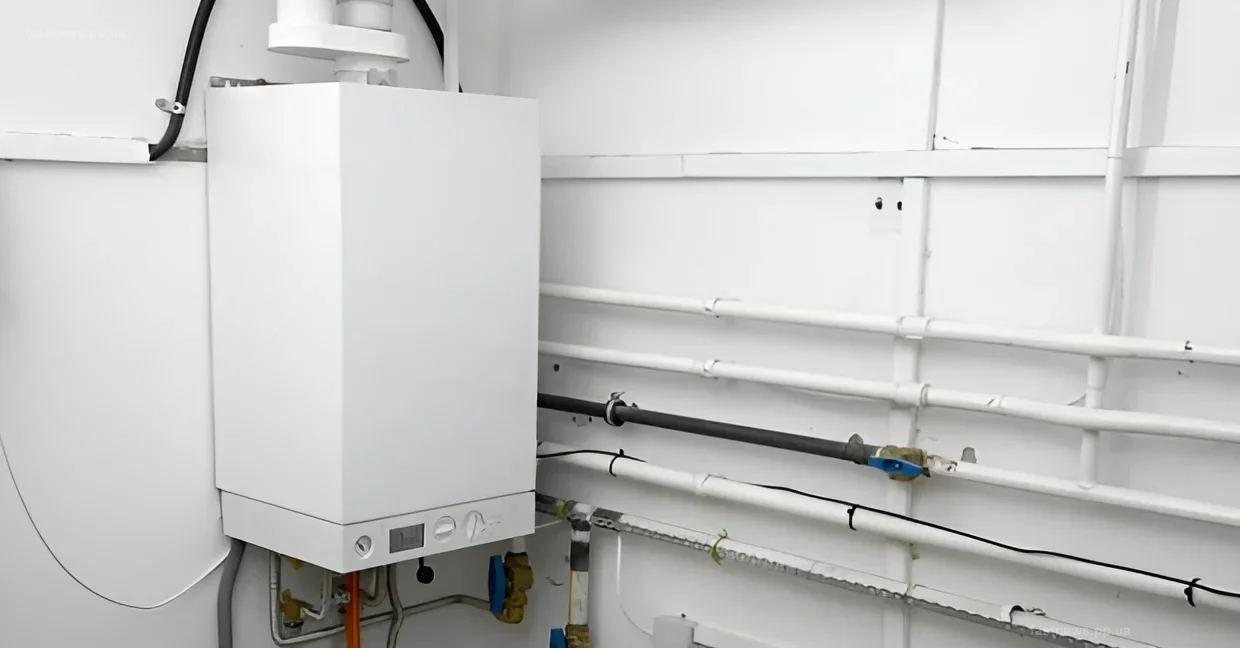
The era of gas boilers, considered the gold standard of comfort for decades, is coming to an end. Familiar methane combustion is being replaced by "smart" electricity. The world's largest economies, including the US and Germany, are launching a massive experiment that will forever change how we heat our homes.
New York: A Legislative Blow to Gas
Manhattan and Brooklyn have become testing grounds for radical change. New York State has passed the All-Electric Buildings Law, putting an end to gas in new construction. From 2026, buildings up to seven stories high are required to use exclusively electric heating. The deadline for high-rises and commercial properties has been pushed to 2029.
Authorities took this step recognizing that buildings are one of the main sources of carbon footprint. However, the path to a "green" future is not without obstacles: in November 2025, a federal court suspended the law, delaying its implementation until an appeal is heard. Nevertheless, the direction is set, and a reversal seems unlikely.
The German Experience: 65% Renewable Energy
While the US is betting on legislative bans, Germany has chosen the path of strict quotas. As of January 1, 2024, the Building Energy Efficiency Act came into force. Now, new heating systems in development areas must cover at least 65% of needs from renewable sources.
This is not just a recommendation, but an imperative. Old homes are given a transition period, but the trend is obvious: fossil fuels are being displaced from the housing sector, giving way to technologies that work in harmony with climate goals.
Heat Pump: Physics vs. Chemistry
The main hero of this transformation is the heat pump. Unlike a gas boiler, which burns fuel to create heat, a heat pump works like a refrigerator in reverse — it transfers heat from the air, ground, or water into the room.
The International Energy Agency (IEA) confirms: modern heat pumps are 3–5 times more efficient than gas counterparts. For one unit of electricity consumed, the system delivers several units of heat. This fundamental advantage changes the economics of heating.
The Price and Long-Term Benefits
Undoubtedly, the transition is not free. Installing a heat pump often costs more than installing a gas boiler. Owners of old homes will have to invest in upgrading electrical networks, replacing radiators, and improving insulation.
However, looking at volatile energy prices, the investment pays off. Heat pumps reduce dependence on gas prices, lower monthly expenses, and, critically, eliminate the risks of gas leaks and carbon monoxide poisoning. The future is already here — it is electric, quiet, and safe.


