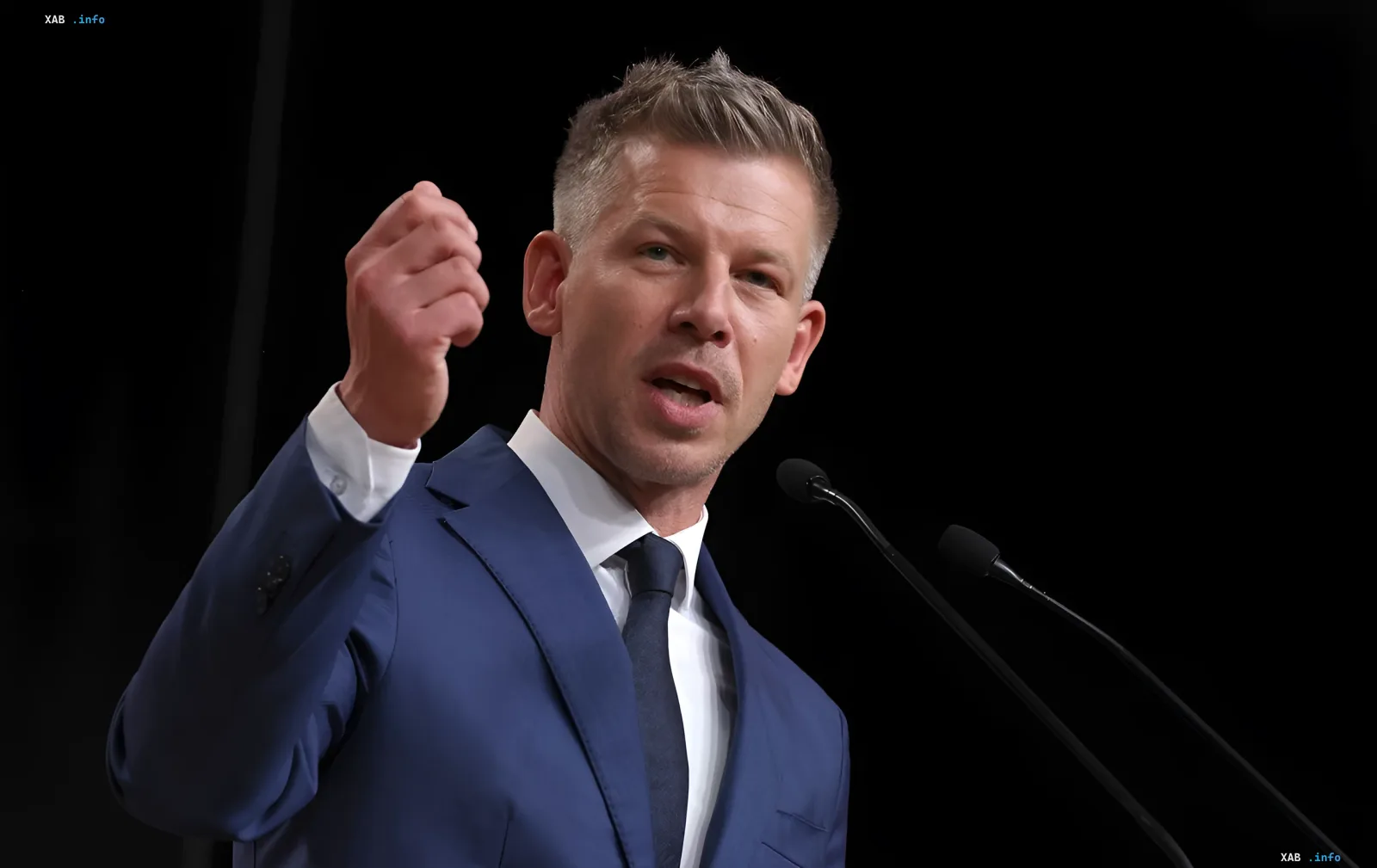
A new era is dawning in Hungary. Following a decisive victory in the April elections, where the Tisza party ousted Viktor Orbán from power, Prime Minister Péter Magyar has begun fulfilling his key promises. The centerpiece of the agenda is a massive reform of public media, aimed at restoring independence to state broadcasters and severing ties with the former regime.
Dismantling the Monopoly and Restructuring
The Tisza party, holding a constitutional majority in parliament, has initiated a bill that radically alters the country's media landscape. The primary target of the reform is the MTVA holding, which for years controlled all state media resources and often acted as a mouthpiece for the government. Under the new rules, this giant will be split: television and radio will operate as separate, independent entities.
A crucial step will be the revival of the MTI agency. It will return to the status of a separate national news service, preventing the concentration of information influence in a single set of hands. This decision aims to ensure a diversity of opinions and objectivity in reporting.
New Rules of the Game: From Personnel to Management
The reform will affect not only the structure but also management principles. In the new media regulatory committee, representatives of the government and the opposition will receive an equal number of seats. Furthermore, the bill guarantees the mandatory presence of independent journalists in governing bodies. This eliminates the possibility of unilateral dictates on editorial policy.
The composition of the Media Council will also undergo changes, becoming balanced. Decisions must be made publicly, and rules regarding conflicts of interest will be tightened to the maximum. Old personnel associated with the Orbán era will leave their posts: all current heads of public media will lose their mandates immediately after the law is passed.
Temporary management of the process has been entrusted to the Minister of Culture, Zoltán Tárr. However, his powers are limited: new top managers will be selected exclusively through open competitions, with no right to political appointments.
Parliamentary Changes and Foreign Policy
Aside from media reforms, other significant changes have occurred in parliament. Deputies voted almost unanimously to review their salaries, which has become a symbol of the new approach to governing the state.
On the international stage, Péter Magyar is also demonstrating activity. The Prime Minister announced an agreement with Ukraine regarding the rights of the Hungarian minority. Kyiv agreed to make the necessary legislative changes, which could become a key factor in negotiations regarding Ukraine's accession to the EU.
Course Towards Closing Borders
In the sphere of migration policy, the new course is aimed at limiting the influx of labor migrants from countries outside the European Union. Magyar signed a decree that cancels the scheme for issuing residence permits for migrant workers introduced by the previous government of Viktor Orbán. This decision signals a shift in priorities in Hungary's demographic and economic policy.


