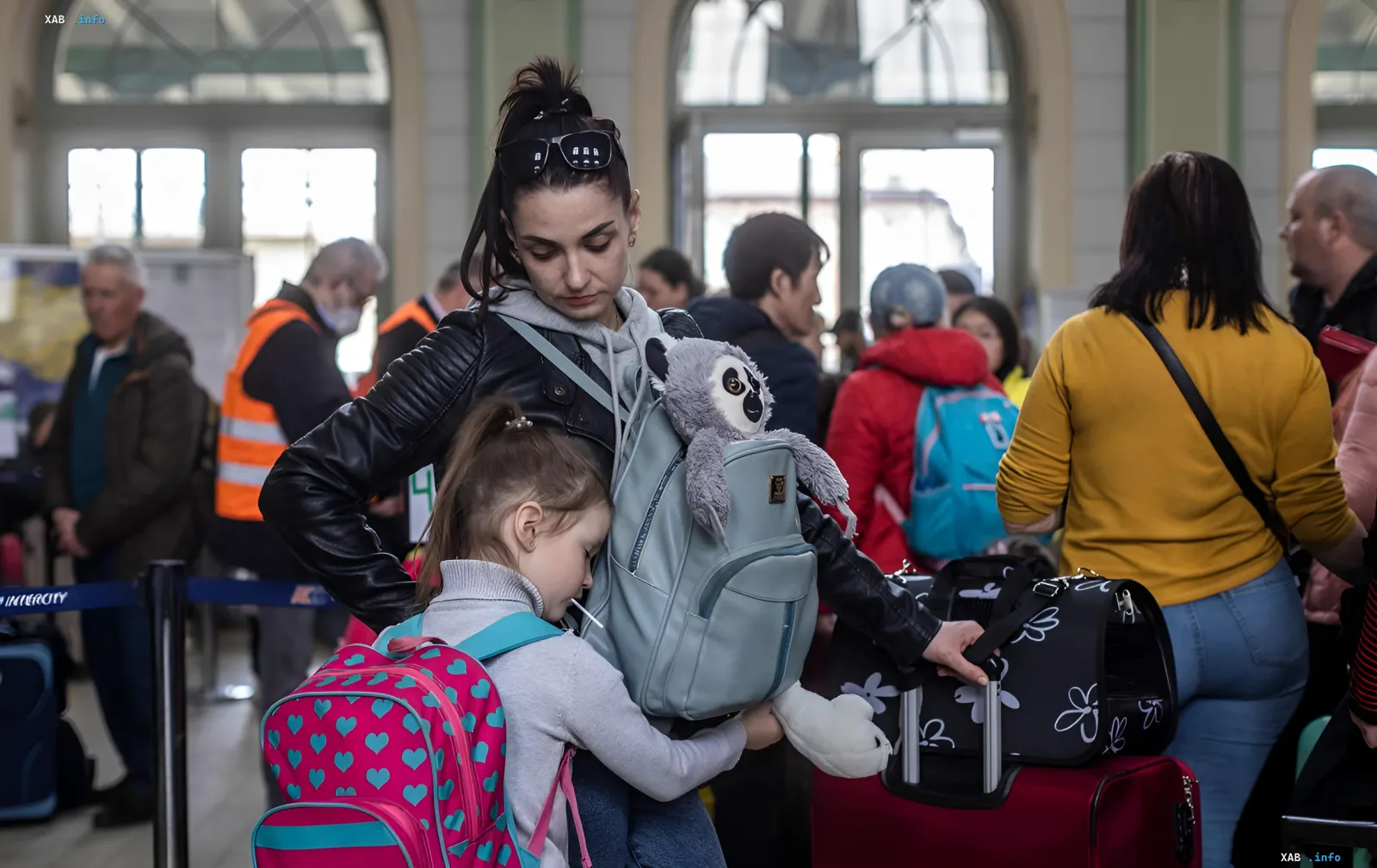
The European Commission is preparing a new proposal regarding the status of Ukrainian refugees, which is set to come into force in March 2027. This is the deadline by which the current directive on temporary protection, introduced in early March 2022, will expire. Originally designed for one year, the program has been extended several times, but now the European Commission plans to formulate a new support strategy.
New Rules and Discussions in the EU Council
The future of Ukrainians in Europe became the central topic of a recent meeting of EU interior ministers in Luxembourg. European Commission spokesperson Elettra di Massa confirmed that Brussels will prepare a proposal based on which the EU Council will make a final decision. Official Brussels assures that support for Ukraine remains unwavering, although the details of the future agreement remain a subject of discussion.
One of the key issues in the EU Council was the possible introduction of restrictions for men of conscription age planning to enter Europe for the first time. At the same time, authorities assured that the new rules will not affect those who already have a valid protection status.
Czech Position and Political Context
Not all EU member states are ready to extend the current conditions indefinitely. In particular, the Czech Republic is discussing the possibility of abolishing the temporary protection status. The reason cited is the growing dissatisfaction of the local population and political disputes about the role of Ukrainians in the country's economy. This creates uncertainty for those considering the Czech Republic as a long-term place of residence.
Repatriation Factors: Why Ukrainians Are Returning Home
Prolonged stay abroad and adaptation difficulties are forcing many Ukrainians to think about returning home. According to data, the main reasons for repatriation are:
- Complex bureaucracy and tax systems in EU countries;
- Mismatch between the actual way of life and initial expectations;
- Financial exhaustion and resource crisis.
A special shock for emigrants is the conservatism of some countries. For example, in Germany, where familiar digitalization is replaced by a "paper hell" and a "digital stone age," many face difficulties in daily life. These factors, along with possible changes in EU legislation, are forming a new reality for millions of Ukrainians forced to find new paths for integration or return.


