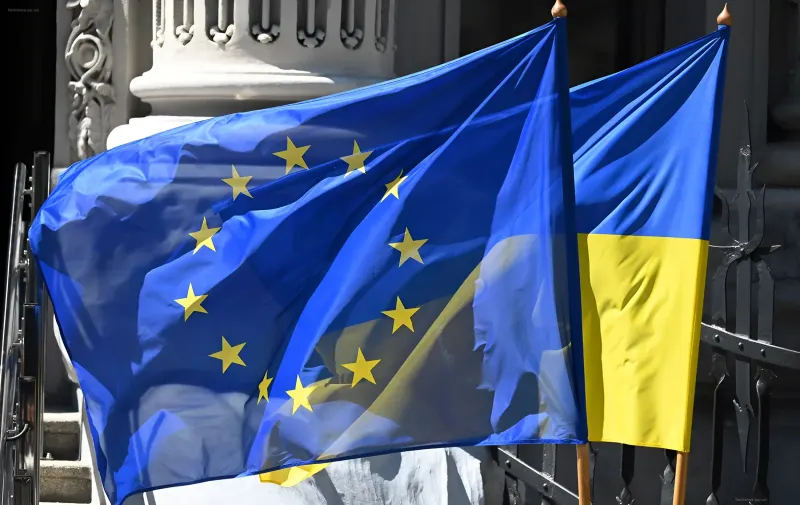
The long-awaited unblocking of Ukraine's European path has received specific timelines. The European Commission has finalized the schedule for membership negotiations and intends to propose opening the first phase as early as mid-June. This decision becomes possible thanks to a change in political course in Budapest, where the government that had been blocking Kyiv's integration for years has changed.
The Starting Point: June 16
According to insider information from Brussels, the proposal to launch the first "cluster" of negotiations will be announced at a meeting of ministers in the General Affairs Council on June 16. This step will be critical as it will allow EU country leaders to approve the decision at a European Council meeting taking place just two days later. The remaining negotiation blocks for Ukraine and Moldova are planned to open in July.
Why did this become possible?
The key factor that changed the balance of power was the March elections in Hungary. Viktor Orbán, whose government held a hardline position against Ukraine for 16 years, resigned. The new Prime Minister, Peter Magyar, demonstrates a pragmatic approach: Budapest is ready for compromises, viewing them as a way to unblock frozen European funds that were cut off due to EU law violations during the Orbán era.
How does the accession mechanism work?
The process of joining the Union is a complex system of six so-called "clusters" combining various areas of law. The first cluster, which opens first but closes last, concerns fundamental foundations: democracy, the economy, and institutional structure. Unanimous approval from all 27 member states is required to approve each stage, making Hungary's political will critically important.
Position of Kyiv and Brussels
Ukraine insists on full and proper membership, rejecting any hybrid formats. President Volodymyr Zelenskyy confirmed that the country is technically ready to open all six tracks and has conducted the necessary internal procedures. Brussels supports this position: European Parliament President Roberta Metsola called for not artificially delaying the process and responding to the pace of Ukrainian reforms by opening negotiations without referring to alternative models.


