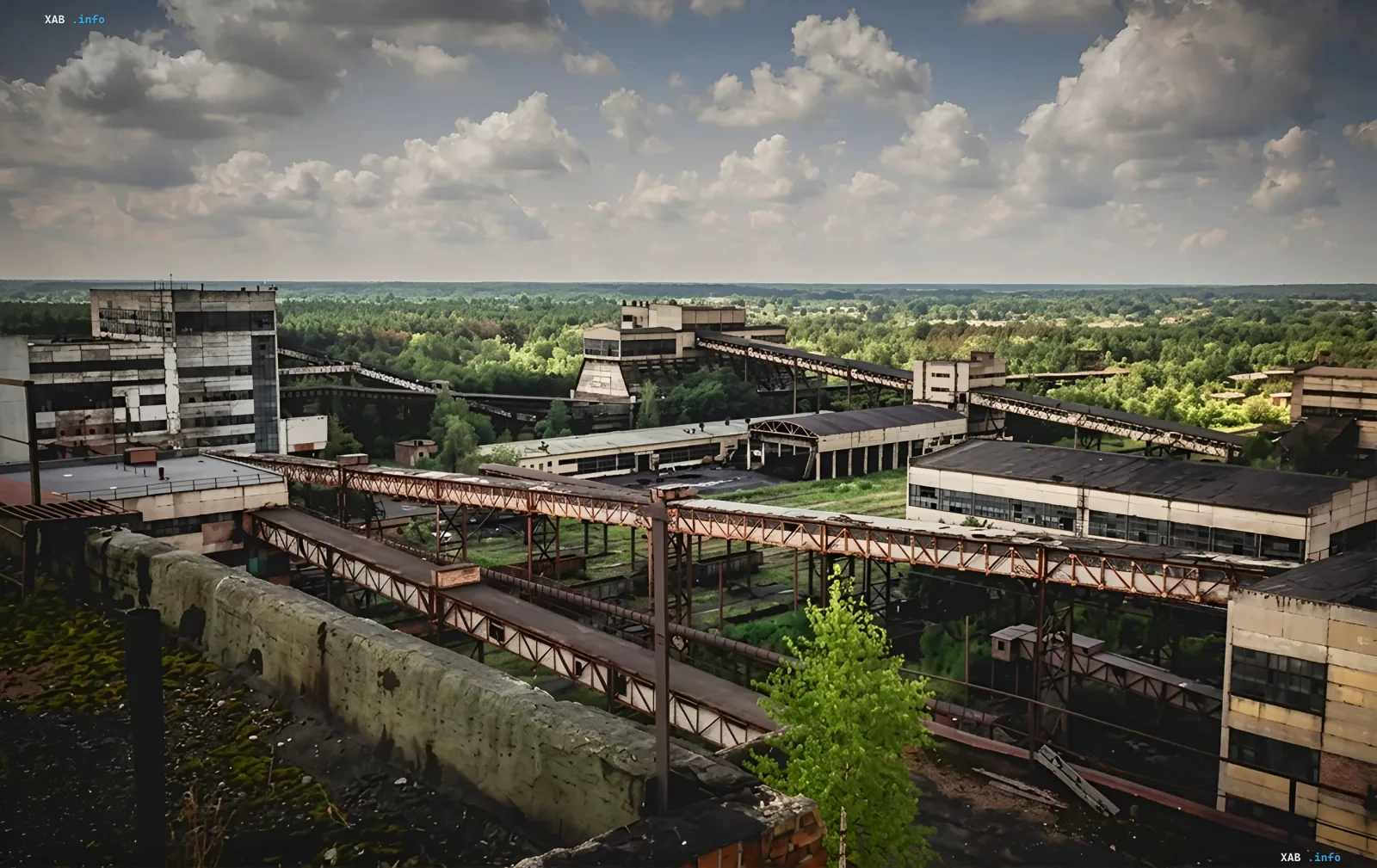
In August 2026, Ukraine's coal industry, and specifically the Lviv-Volyn basin, is on the brink of a systemic crisis. The epicenter of the problem is the Chervonohrad Enrichment Plant (CEP), which has been non-operational for eight months. According to sources, including RBK-Ukraine, this prolonged shutdown has not only halted production but triggered a chain reaction leading to the financial collapse of state-owned mines in the region.
Economic Deadlock: Why Coal Isn't Selling
The core issue lies in the technological chain. Coal mined in the Lviv-Volyn basin requires mandatory enrichment before it can be used in thermal power plants (TPPs). The Chervonohrad CEP is a critical link in this chain. MP Mykhailo Bondar, speaking on the 'Direct' channel, stated directly that the plant's shutdown effectively means the mines are also shut down.
"Therefore, these eight months are effectively a downtime for these mines. Because a non-functioning plant is exactly what causes the decline that is happening," the deputy explained. Without the ability to process raw materials, mines cannot sell their products, resulting in a complete lack of revenue. In a market that demands ready fuel, having raw coal in the mine face generates no profit and only increases storage costs.
State Dependence and Wage Threats
The financial model of coal enterprises has changed radically under the conditions of the plant's shutdown. Since there is no income from product sales, mines are forced to survive solely on state support. Mykhailo Bondar noted that workers are currently receiving wages effectively only thanks to budget subsidies.
"People are not receiving wages from sold products; they are receiving them effectively only from the state: this state support that is coming. Accordingly, there are no funds for the constant, daily operations of these mines," the parliamentarian emphasized. This creates a dangerous situation where enterprises lose financial independence and become completely dependent on the government's will and the availability of budget funds.
Sanation and Legal Bureaucracy
The reasons for such a prolonged shutdown lie in the protracted procedure of sanation for PJSC "Lviv Coal Company." The situation is exacerbated by management issues and accumulated wage arrears. According to sources, the actual halt of production processes has lasted 8 months due to complex legal bureaucracy regarding the appointment of a new administrator.
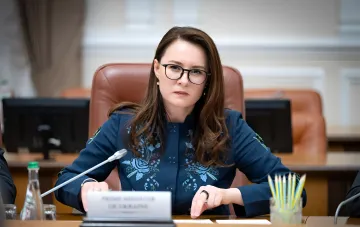
Deputy Viktoriya Hryb, head of the Verkhovna Rada subcommittee on energy security, also highlighted the strategic threat. According to her, without the Chervonohrad CEP operating, mines find it harder to ship mined coal, and the country loses precious time to build up fuel reserves for winter. In the context of 2026, when energy security remains a priority, such a delay could have critical consequences.
Contradictory Data
While MPs and experts agree on the assessment of the actual shutdown, there are discrepancies in assessing the prospects for resuming operations. On one hand, trade union representatives and regional authorities insist on immediate intervention by the Ministry of Energy to unblock assets. On the other hand, within the framework of the sanation procedure, there are legal arguments that intervention could complicate the restructuring of the company's debts. Until the courts make a final decision on the appointment of an administrator, the exact dates for the plant to reach design capacity remain unknown, creating an information vacuum for investors and workers.