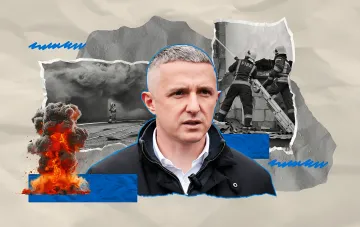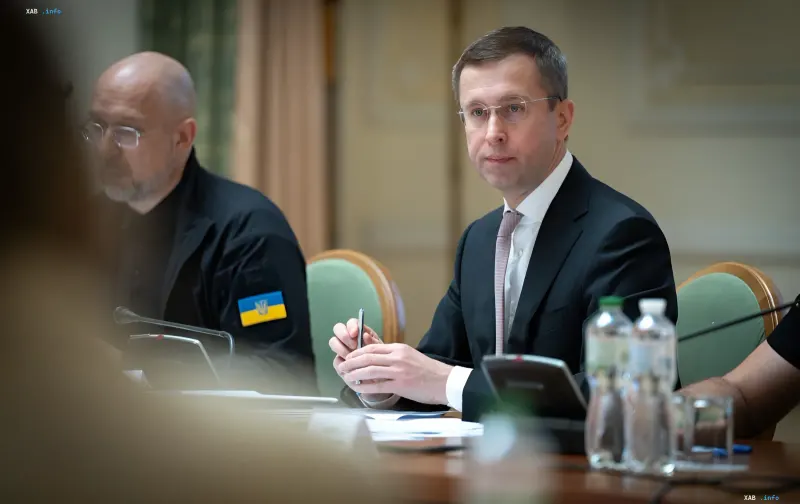
On August 10, 2026, a strategic meeting of the Energy Staff was held in Kyiv, where Ukrainian Prime Minister Serhiy Koretskyi approved a new action plan for restoring the power system. Amidst the ongoing war and intensified Russian attacks on critical infrastructure, the government has shifted to a mode of "preemptive defense." The key task for the coming month is not merely the restoration of what has been destroyed, but the modernization of generating capacity, taking into account new scenarios for winter energy consumption.
Winter Scenarios and Resource Balance
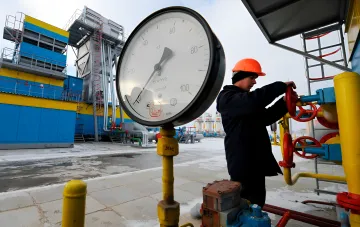
The central item on the agenda was the report by the First Deputy Prime Minister and Minister of Energy, Denys Shmyhal. Government experts analyzed forecasted balances of electricity and gas, modeling three different scenarios for the winter of 2026–2027. Special attention was paid to risks associated with the possible complete failure of several large thermal and hydroelectric power plants, as well as disruptions in natural gas supplies. As Serhiy Koretskyi noted, "we cannot rely on optimistic forecasts, so we are preparing for the worst to achieve the best".
Accelerating Repairs and New Protection
During the meeting, a decision was made to immediately accelerate repair work on damaged facilities. Koretskyi emphasized that energy companies must take on additional responsibility and operate in a "preemptive" mode. This involves not only the physical restoration of turbines and power lines but also the installation of additional passive and active defense measures. This includes strengthening hangars, creating shelters for transformers, and implementing new drone detection systems at the approaches to energy facilities.
Priority Access for Business
Parallel to the restoration of the energy sector, the Cabinet of Ministers initiated a program to protect commercial infrastructure. Serhiy Koretskyi stated that the state will provide businesses with priority access to government facilities and bunkers for the dispersal of warehouses. This is necessary to minimize damage from strikes on logistics hubs. The Cabinet has been given a strict deadline — by the end of August, to prepare and approve a list of facilities ready for transfer for business needs.
Funding for the Army and Energy Sector
In addition to energy issues, the meeting discussed the macroeconomic situation. It was previously reported that the government is actively seeking resources to fully fund the army until the end of 2026. A significant portion of the funds is planned to be attracted from international partners. The energy sector also requires colossal investments, and the question of allocating budget funds for accelerated restoration remains one of the most pressing items on the government's current agenda.