
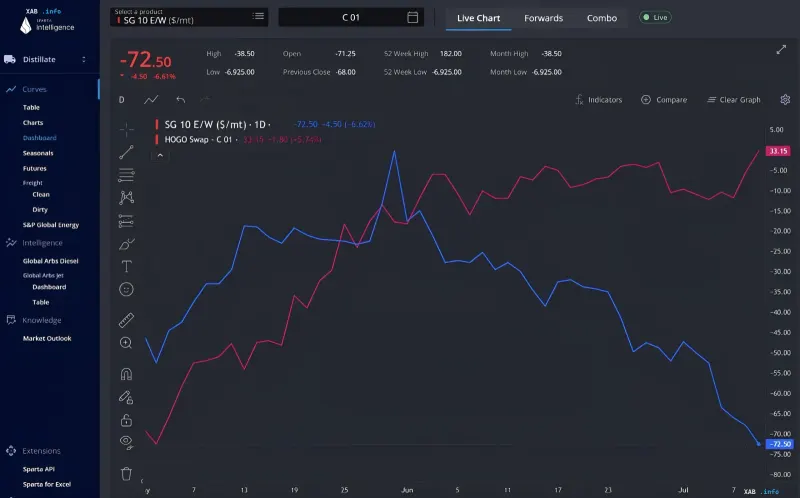
The global fuel market has faced an unprecedented supply crisis. The introduction of a temporary ban on diesel fuel exports from Russia, which came into force on July 8, 2026, became the catalyst for a sharp shortage on global exchanges. This event, coinciding with the escalation of the conflict in the Middle East, led to record price increases and created a threat of long-term shortages for developing economies.
The decision to completely suspend export supplies of all diesel categories until the end of July was announced by Deputy Prime Minister of the Russian Federation Alexander Novak. The official reason cited was the need to stabilize the domestic market and guarantee fuel supply for the agricultural sector during the peak of the harvest campaign. However, behind this measure lies a deeper problem: a critical drop in oil refining volumes in the country.
During the first half of 2026, Russia's energy infrastructure was subjected to a series of systematic strikes using unmanned aerial vehicles. Damage to technological units at the largest oil refineries (ORs) led to the fact that the average daily sea export of Russian diesel in June fell to the lowest level in the last decade — about 260,000 barrels per day. For comparison, the historical baseline was 700,000 – 800,000 barrels. To compensate for the domestic shortage, relevant Russian agencies were forced to initiate the development of mechanisms for importing oil products from Kazakhstan, Belarus, and India.
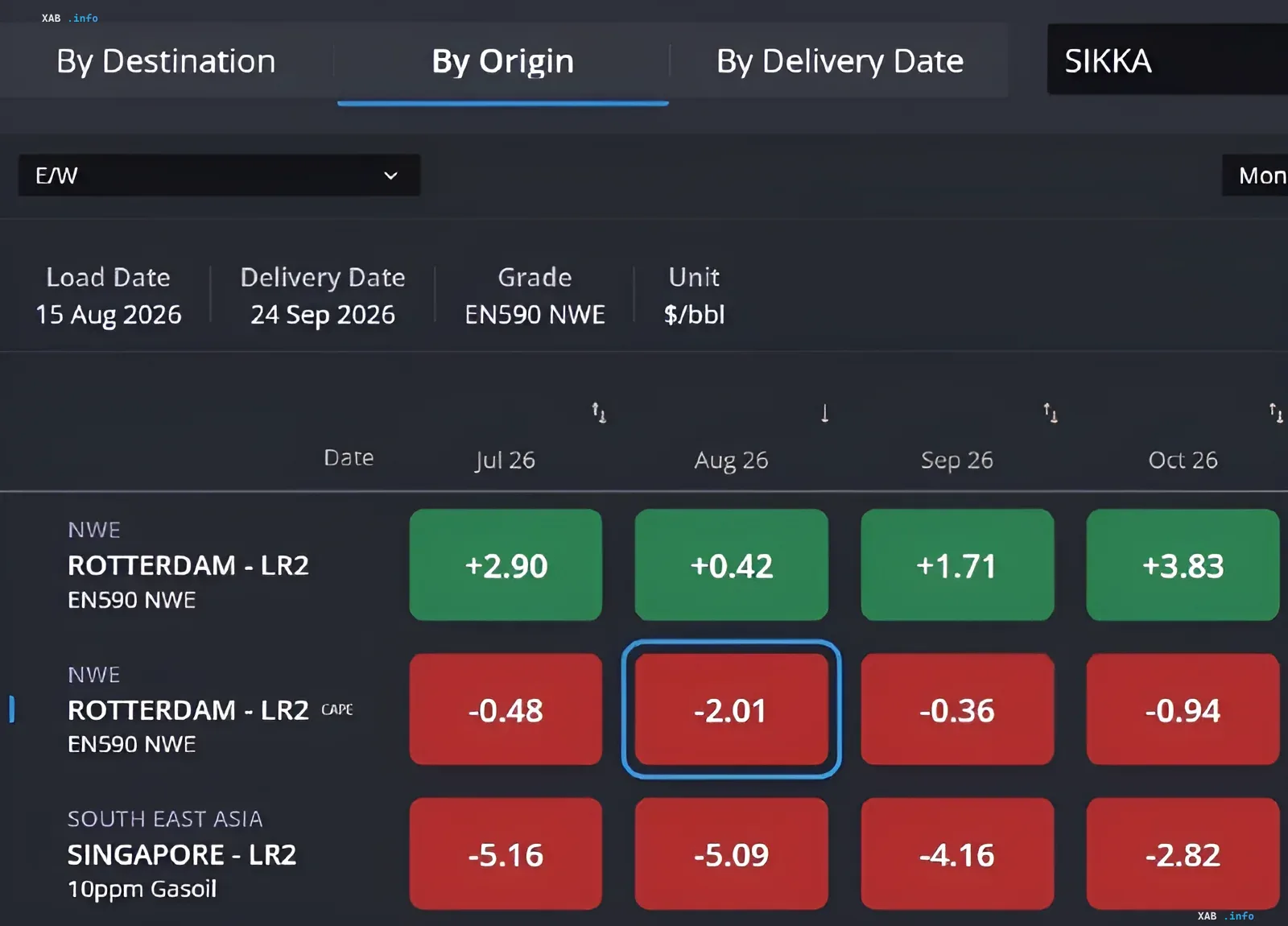
The synchronization of the Russian export ban with the resumption of hostilities in the Persian Gulf zone, which complicated transit through the Strait of Hormuz, caused anomalous volatility on trading floors. On trading on July 8, 2026, the indicative margin of European diesel futures (ICE Gasoil crack spread) recorded a historical maximum, exceeding the $60 per barrel mark.
Developing economies turned out to be the most vulnerable in this situation. According to analysts at Sparta Commodities, the main importers of Russian diesel after the change in logistics chains in 2022 were Brazil and Turkey. In the conditions of global shortage, countries in Latin America, Africa, and Southeast Asia, which have lower purchasing power, lose in the competitive struggle for alternative spot fuel lots to EU and US states.
International financial analysts warn of serious macroeconomic consequences. Diesel fuel is a basic component of operating costs in logistics and agriculture. Long-term maintenance of prices at current levels will exert direct inflationary pressure on the cost of food products on a global scale. In addition, the narrowing of the supply spread leads to an increase in freight and insurance premiums for the tanker fleet, which will inevitably transfer the costs of the shortage to end consumers in energy-deficient regions.


