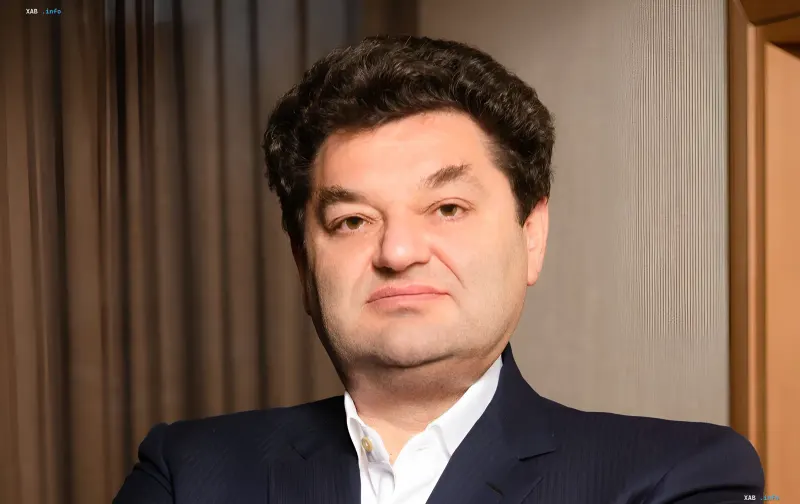
On June 29, 2026, an explosion rocked Monaco that nearly cost the life of one of Ukraine's most influential businessmen — Vadym Ermolaev. The incident, classified by the principality's prosecution service as an attempted murder, moved the discussion beyond private crime to issues concerning Ukraine's economic sovereignty and the redistribution of strategic assets. At the center of attention was not only the developer business but also the agricultural sector, specifically the oil and fat industry, which remains one of the key sources of foreign currency revenue for the country.
The Monaco Blast and the Intelligence Services Theory
The attempt on Vadym Ermolaev occurred in a residential building in Monaco, where a homemade device exploded. The entrepreneur survived but sustained serious injuries; his wife was also injured. Soon after emerging from a coma, Ermolaev publicly stated the possible involvement of Ukrainian intelligence services, specifically the Main Directorate of Intelligence (HUR), in the incident. This version, voiced in interviews and confirmed by several international media outlets, including Deutsche Welle, has not yet been substantiated in official statements by Monaco's law enforcement agencies.
However, the very fact of the accusation by the victim moves the case from the realm of private investigation to the sphere of geopolitics and economic interests. If Ermolaev's version is confirmed, it will be an unprecedented case where Ukrainian intelligence services are accused of attempting to murder one of the country's largest businessmen — a person whose assets directly influence the state's export revenue.
Agroinvestgroup and the Oil and Fat Empire
Vadym Ermolaev is best known as the founder of the developer company "Aleph," but his group has significant assets in the agricultural sector as well. One of the key assets is LLC "Potoki," which owns an oil extraction plant with a capacity of 2,100 tons per day, capable of producing up to 300,000 tons of vegetable oil per year. The company also has a tank farm with a capacity of 5,500 cubic meters and a terminal in Reni with the ability to load onto ships.
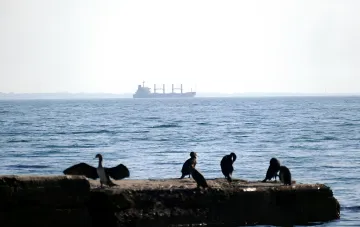
These assets are located in a strategically important node: sunflower is grown within the country, processed near ports, and exported via Black Sea routes. According to the Ministry of Economy of Ukraine, in the first quarter of 2026, agricultural exports amounted to 15.5 million tons worth $6.3 billion, with revenue from sunflower oil increasing by 20%.
The Legacy of Agroinvestgroup and Odesa Assets
The history of the oil and fat industry in Odesa is closely linked to the Agroinvestgroup holding, which, before its bankruptcy, represented a large-scale industrial system. Its structure included grain farms, elevators, oil and fat plants, and port capacities. After the collapse of the holding, assets were redistributed among various players, including LLC "Potoki" and other companies associated with the former Agroinvestgroup circle.
Court documents confirm that SPAO "Ukraine" owned shares of the Odesa Oil and Fat Plant, and the Yuzhny (Ilyichevsk) Oil and Fat Plant was linked to the production structures of the holding. The financial center of this system was "Delta Bank," which provided loans to enterprises in the oil and fat and port sectors. For example, a credit line of 350 million hryvnias was opened for the Yuzhny plant.
Contradictory Data
There are discrepancies in the versions regarding the motives for the attempt on Ermolaev. On the one hand, the businessman himself points to the involvement of Ukrainian intelligence services, which could be related to his criticism of the authorities or economic interests. On the other hand, official sources in Monaco and Ukraine have not yet confirmed this version, and the investigation is ongoing.
Furthermore, there are ambiguities regarding exactly how Agroinvestgroup assets were transferred to new owners and what role Ermolaev played in this. Some sources point to his direct participation in the redistribution, others — to indirect influence through partners. These contradictions require further fact-checking and analysis of court documents.
Economic Context and Strategic Significance
The oil and fat industry remains one of the key export directions for Ukraine. Sunflower oil, corn, and wheat make up the basis of agricultural revenue, which is critical for the country's economy in wartime conditions. Control over production capacities and export infrastructure provides significant influence over the market and access to currency flows.
The attempt on Ermolaev, if linked to his business interests, may indicate a struggle for control over these assets. Especially considering that part of Agroinvestgroup's assets was redistributed after bankruptcy, and new owners may have their own interests in the industry.