The Entertainment Software Association (ESA) has officially petitioned the Office of the United States Trade Representative (USTR) with a stringent and unambiguous demand. The organization insists on including plug-and-play portable retro emulation devices in the annual Notorious Markets List. This registry traditionally features the world's largest trading platforms and ecosystems that are openly implicated in large-scale distribution of counterfeit goods and piracy.
Core Grievances and the 'Superfake' Phenomenon
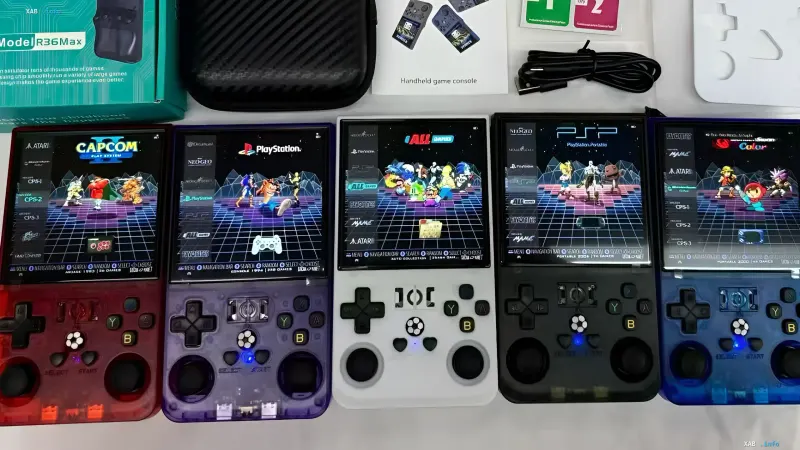
According to the authors of the association's official report, modern portable Chinese consoles have evolved into a dangerous functional equivalent of so-called 'superfakes'. As the most vivid and illustrative example, the ESA highlighted the popular brand Anbernic. Such devices are nowadays manufactured in high-quality casings, equipped with excellent modern displays, and sold through major mainstream marketplaces like Amazon, deliberately creating a persistent illusion of an entirely legal and licensed product for the average mass consumer.
Nevertheless, the primary commercial selling point and driver of these devices remains pre-installed hidden memory cards. These cards contain thousands of pirated copies of classic video games from once-cult platforms by Nintendo, Sega, Sony, and other prominent industry rights-holders, causing colossal financial and reputational damage to game developers.
Regulatory Demands and Industry Reaction
In their current appeal to US authorities, ESA representatives urge the government and international regulatory bodies to adopt a comprehensive and severe package of measures. This includes import blocking, enhanced customs inspections, and pressure on online retailers that allow the sale of such hardware on their pages without prior legal content verification.
Contradictory Data
While the ESA insists on completely halting the circulation of such devices under the guise of intellectual property protection, independent experts and retro gaming enthusiasts point to the legal ambiguity of the situation. Many users purchase these consoles solely as open hardware platforms to run their own legally acquired ROM image files rather than for the pre-loaded pirated content, sparking serious debates about the boundaries of copyright in the digital age.