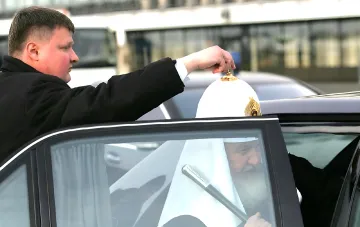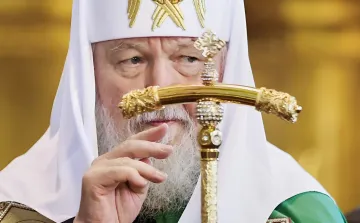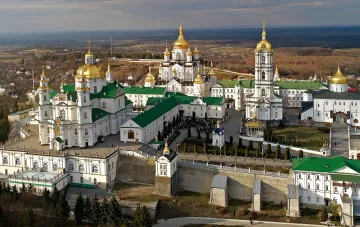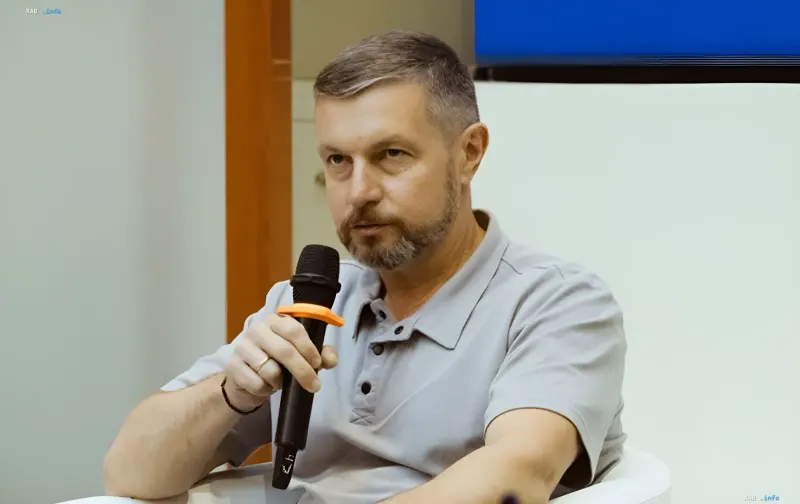
The Russian Orthodox Church (ROC) in Europe performs espionage functions and promotes propaganda narratives beneficial to the Kremlin. This was stated by Major General Ilya Pavlenko, former Deputy Head of the Main Directorate of Intelligence of the Ministry of Defense of Ukraine, speaking at the forum “The ROC in Europe: Infrastructure of Russian Influence”.
The Church as a Tool of Intelligence Services
According to Pavlenko, the ROC acts in the interests of the aggressor state and is actively used by all Russian intelligence services — from the Foreign Intelligence Service (SVR) to the Military Intelligence (GRU) and the FSB. “Any ROC priest traveling abroad is either recruited or holds credentials from Russian intelligence services,” the general emphasized.
Key tasks of church structures in European countries include gathering intelligence and spreading propaganda, especially among Ukrainian refugees. At the same time, many people are even unaware that they are under the influence of these structures, which are effectively linked to Russian intelligence services.
Soviet Legacy and the Scale of the Threat
Pavlenko reminded that Russia is the direct successor of the USSR, and its networks of influence have been formed over decades. The greatest threat lies precisely in the scale of this influence, which often goes unnoticed by the general public.
Ukraine’s Response: Creating Its Own Infrastructure
The head of the Military Chaplaincy Service of the GUR, Father Konstantin Kholodov, noted the need to form a permanent institutional presence of Ukraine where millions of its citizens live. “We must strengthen our own church, cultural, educational, informational, and security infrastructure abroad so that millions of Ukrainians continue to identify with Ukraine and do not succumb to the destructive influence from Moscow,” he concluded.
Sanctions Against Patriarch Kirill: Why They Did Not Pass
In June, media reports emerged that the European Union was rushing to adopt the 21st package of sanctions against Russia, which could have included sanctions against ROC Patriarch Kirill. Previously, this step had been blocked by Hungary during Viktor Orbán’s government. However, with the arrival of the new Prime Minister, Peter Mádjar, a change in position was expected.
However, a couple of days ago it became known that Patriarch Kirill was again not included in the EU sanctions lists. This time, Bulgaria’s position played a decisive role, as it opposed including the Patriarch in the sanctions list.