
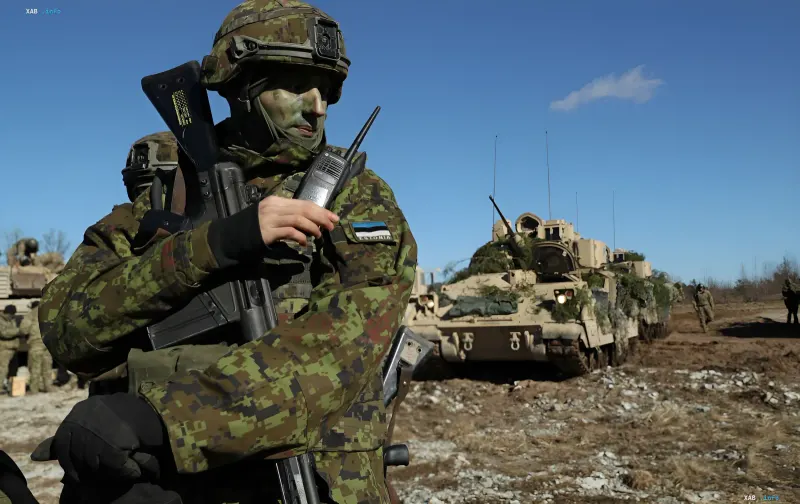
Estonia is preparing for a major shift in its defense policy. A bill has been submitted to the country's parliament, the Riigikogu, which for the first time officially allows citizens of NATO member states to serve in the national defense forces. The initiative has already garnered support from 53 MPs and could radically change the structure of reserve training in the Baltic region.
Official Status for Allies
The essence of the proposal is the integration of foreigners from the North Atlantic Alliance into the Estonian Defence League (Kaitseliit). This volunteer formation plays a key role in the country's national security system. The innovation will allow foreign citizens not just to assist, but to officially hold positions requiring military rank, including during wartime.
Previously, such a mechanism lacked a clear legislative basis. Now, experienced fighters from NATO countries will be able to legally participate in planning defense operations and forming command structures. Participation will remain exclusively voluntary: mandatory conscription will not apply to foreign citizens.
Timelines and Conditions for Entry
If the parliament approves the document, the new rules will come into force on January 1, 2027. This will expand the powers of auxiliary members of the Defence League, allowing them to act actively during crises or emergencies.
However, the bill has sparked mixed reactions among experts. Advisor to the National Defence Committee Aivar Engel expressed doubts about the necessity of such steps. In his opinion, the organization's current resources are quite sufficient:
"Considering that the Defence League, together with women's and youth organizations, counts more than 30,100 members, the organization should not have a shortage of personnel," Engel noted.
Implementation Challenges
In addition to questions of numbers, experts point to a number of organizational difficulties. The key factor remains the language barrier: the Estonian language is mandatory for military command, yet the bill does not yet specify strict requirements for its knowledge for foreign volunteers.
There are also disagreements regarding medical standards. For volunteers, they are set much more leniently than for professional soldiers, which could create an imbalance in the conditions of a real conflict.
Context of Regional Security
Estonia's move comes against the backdrop of a general tightening of positions by the Baltic states and Finland regarding nuclear security. Neighboring Lithuania plans at the constitutional level to lift restrictions on the stationing of nuclear weapons on its territory. Lithuanian President Gitanas Nausėda stated that there is "almost unanimous" support for this idea among the leaders of parliamentary parties.
For his part, Finnish President Alexander Stubb officially signed amendments to the nuclear energy law. This step finally allowed the import, transit, and storage of nuclear weapons on the country's territory, creating a new geopolitical landscape in the region.


