New Phase of Activity: Lava Flows and 'Yellow' Alert Level
A major natural event is unfolding in Sicily, attracting the attention not only of local residents but also of the international scientific community. Mount Etna, Europe's highest active stratovolcano, has entered a phase of intensified effusive activity. The official start of the eruption was recorded on June 26, 2026, but by early July, the situation on the mountain's slopes had become more intense. In response to the evolving situation, the Italian Department of Civil Protection introduced a 'yellow' alert level in the region, signaling the need for heightened vigilance.
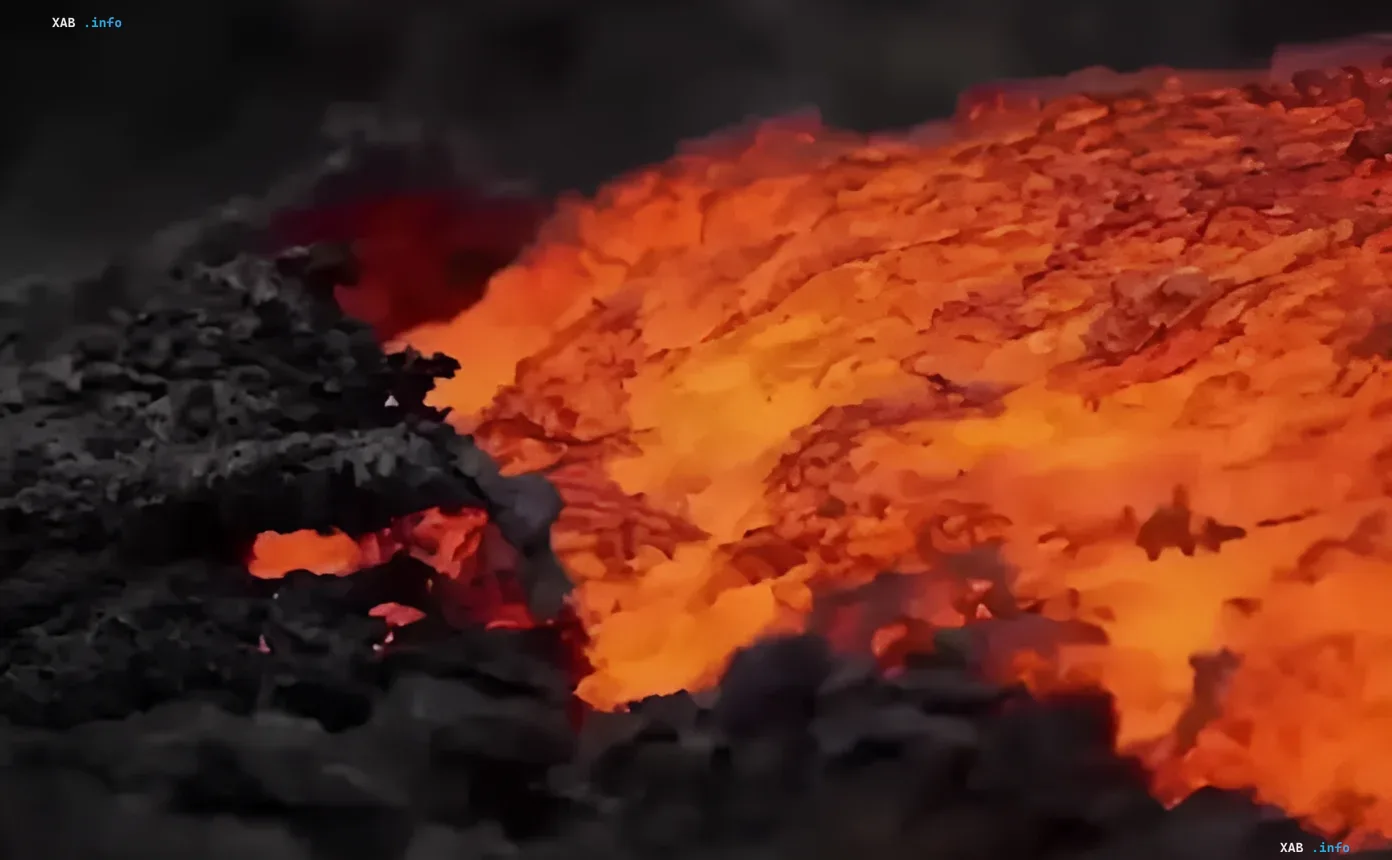
According to data from the Italian National Institute of Geophysics and Volcanology (INGV), the process began with the formation of a new tectonic fissure. The fracture is located at an altitude of about 3000 meters above sea level, in the area of the eastern slope of the summit cone. It is from this point that active lava effusion is occurring. As of July 2, 2026, the molten rock is moving towards the uninhabited depression of Valle del Bove. The front of the main lava flow has already reached an altitude of approximately 2800 meters, demonstrating significant speed of advance.
Monitoring and Eruption Characteristics
Specialists at the INGV observatory in Catania are conducting continuous instrumental monitoring of the situation. Researchers classify the current activity as predominantly effusive, meaning it is characterized by the calm outpouring of lava rather than explosive eruptions. However, the process is accompanied by moderate degassing and episodic emissions of fine ash. Seismological stations are detecting an elevated level of volcanic tremor, which is clearly localized in the area of the Voragine crater.
Etna, whose absolute height varies from 3329 to 3400 meters depending on the configuration of the craters, has been a UNESCO World Heritage Site since 2013. This highlights not only the tourist but also the fundamental scientific value of the volcano, making every awakening a subject of close study by geologists.
Impact on Aviation and Transport Logistics
One of the key aspects of the current situation is the potential impact of volcanic ash on air traffic. The Italian National Civil Aviation Authority (ENAC), together with meteorologists, is conducting continuous analysis of air masses. A special warning document (NOTAM) has been issued to air carriers regarding the formation of an ash plume, which could reduce visibility in the skies over Sicily.
Fontanarossa International Airport in Catania, located south of the volcano, is currently operating in normal mode. Nevertheless, logistics services are ready to promptly introduce restrictions on takeoffs and landings. Any shift of the ash cloud towards the runways will require an immediate response from air traffic controllers and airlines to ensure flight safety.
Safety Measures and Restrictions for Citizens
Despite the scale of the eruption, regional authorities in Sicily emphasize that there is no immediate threat to nearby settlements and key infrastructure. Lava flows are moving through uninhabited areas. However, to prevent accidents, the Civil Protection Service has introduced strict restrictions on access to the high-altitude zone.
Civilian individuals and unorganized tourist groups are prohibited from entering above the 2850-meter mark. Additionally, a 200-meter-wide buffer exclusion zone has been established along the active lava fronts. Crossing these boundaries is permitted only in the company of certified volcanological guides, aimed at minimizing risks for people seeking to observe the natural phenomenon up close.


