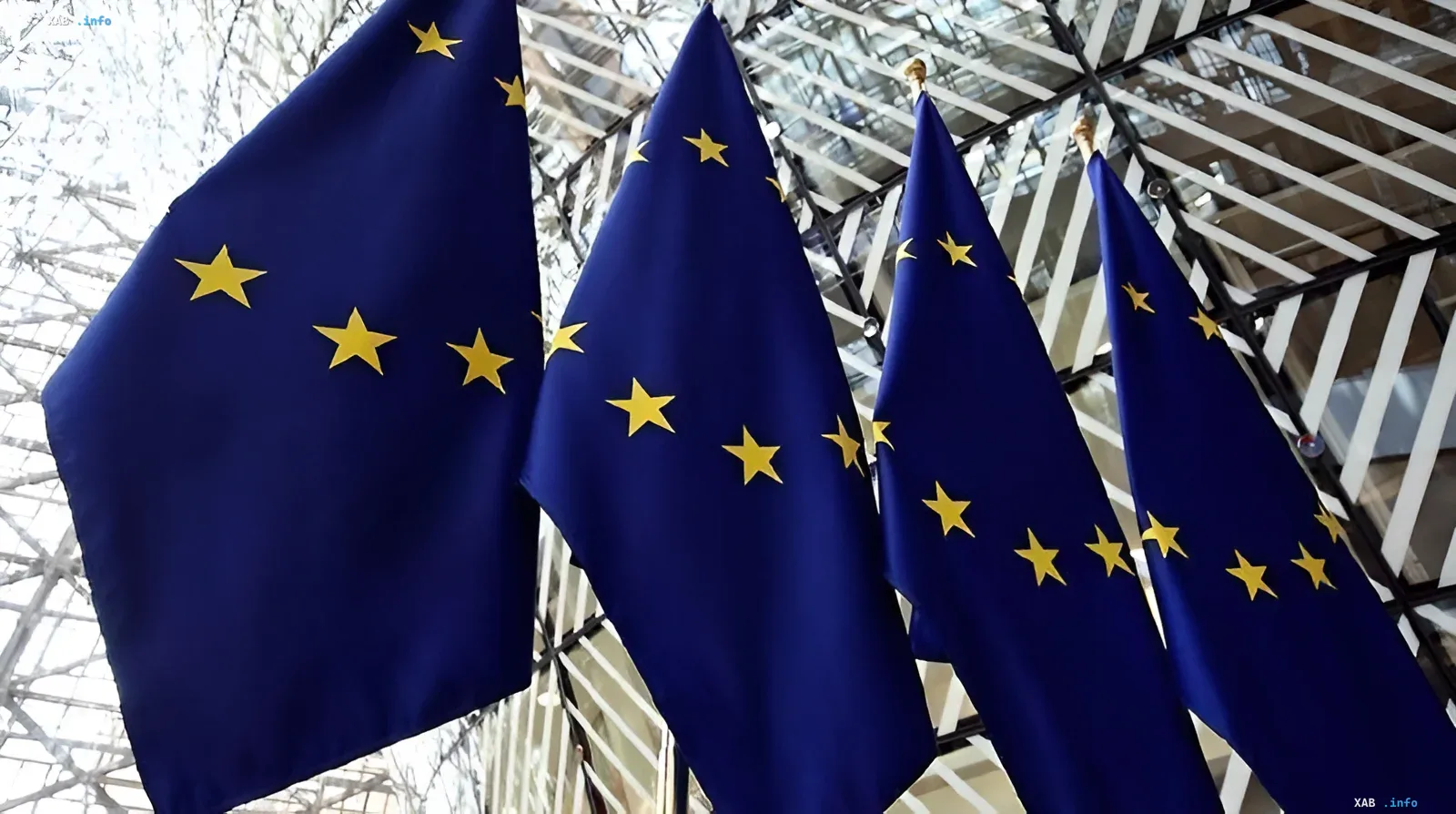
On June 15, 2026, the Council of the European Union adopted the 15th package of sanctions against Russia. Brussels stated that the new wave of restrictions is aimed at blocking channels to circumvent previous measures, combating the 'shadow fleet,' and countering hybrid threats. Dozens of individuals and legal entities have been added to the sanctions lists, including representatives of the Russian military-industrial complex, logistics companies, and media ideologues.
Blow to Supply Chains for the Defense Industry
A significant portion of the new restrictions targets the disruption of Russia's defense industry production chains. Seven individuals and 21 companies have been sanctioned. According to European regulators, these entities are involved in supplying electronics and critical components. Special emphasis is placed on the re-export of dual-use technologies from China. Brussels asserts that several Chinese suppliers continued supply channels despite existing restrictions and are now the subject of direct pressure.
Fighting the 'Shadow Fleet' and Price Cap
One of the priorities of the 15th package was the fight against logistical schemes allowing Russia to export oil in circumvention of the Western-established price cap. Two individuals and 24 companies were added to the blacklist. Among the figures are entities registered in the UAE, Turkey, and Liberia. European diplomats characterize these measures as a coordinated blow to the infrastructure ensuring the maritime transport of Russian energy resources.
Sanctions Against Ideologues and Officials
In addition to economic and military structures, sanctions have affected the sphere of information and ideological support for Moscow's actions. Restrictions have been imposed on 10 individuals, including media figures and ideologues. Metropolitan Tikhon (Georgy Shevchukov), referred to in Brussels as 'Putin's confessor,' was included among the figures. The EU accuses him of justifying military aggression and engaging in propaganda activities.
High-ranking officials were also subjected to personal sanctions:
- Alexander Gutsan — Plenipotentiary Representative of the President of the Russian Federation in the North-Western Federal District. Previously, he held the post of Deputy Prosecutor General of the Russian Federation.
- Oleg Yevtushenko — Executive Director of the state corporation 'Rostec,' who coordinates the production of military products.
- Pavel Astakhov — Former Commissioner for Children's Rights in the Russian Federation. Sanctions against him are motivated by his support for the deportation and integration of Ukrainian children into the Russian system.
Restriction Mechanism
The new measures provide a standard set of restrictions for all individuals and organizations on the list: freezing of assets within the territory of European Union countries and a complete ban on entry. Brussels emphasizes that the expansion of the lists is a response to Russia's attempts to adapt to previous waves of pressure and find ways to circumvent financing and conduct hostilities.


