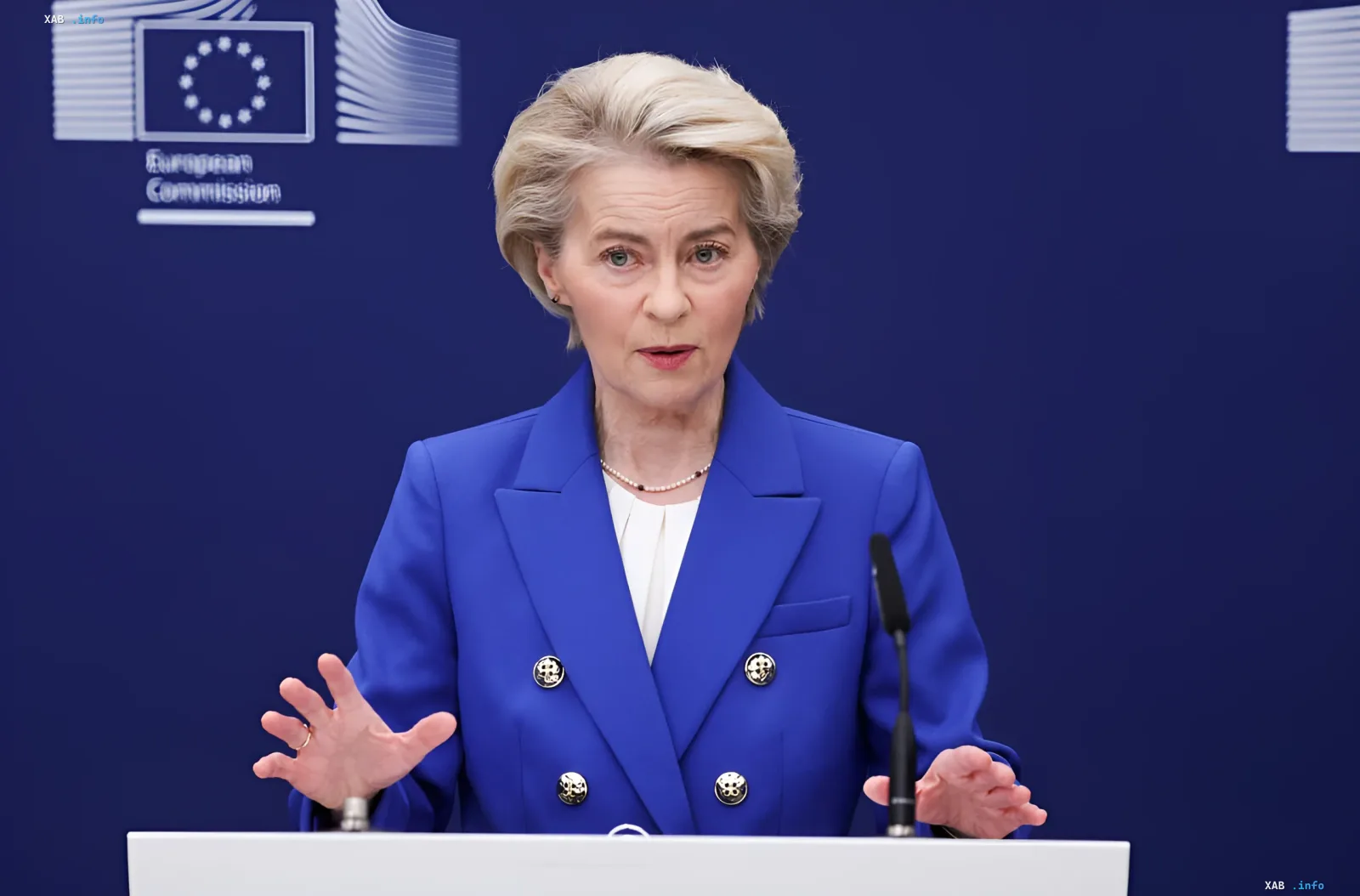
The European Commission has officially presented the draft of the 21st package of restrictive measures against the Russian Federation. The initiative, announced by European Commission President Ursula von der Leyen, aims to expand pressure on key economic sectors. The document has already been submitted to EU member states for approval.
The new sanctions package is distinguished by its unprecedented scope. While previous measures focused primarily on the military-industrial complex and the financial sector, the current initiative targets the fisheries sector for the first time and tightens regulations for the cryptocurrency market.
Personal Restrictions and Entry Bans
One of the central points of the new package is the introduction of personal bans. Specifically, entry into the European Union is planned to be closed for former Russian military personnel and combatants. This decision aims to limit the mobility of individuals who participated in hostilities, even after their formal discharge from the armed forces.
Energy and Shipping: A Blow to the "Shadow Fleet"
Significant attention is paid to the energy sector and logistics. According to the draft, another 30 tankers used for transporting Russian energy carriers will be added to the sanctions lists. These measures are designed to complicate the operations of the so-called "shadow fleet," which is often used to circumvent price caps on oil and oil products.
Financial Sector and Cryptocurrencies
Financial restrictions will be expanded. The draft includes measures affecting dozens of Russian banks. Special attention is paid to digital assets: a complete ban is proposed on the operations of foreign crypto exchanges that maintain ties with Russia. This is intended to block channels for fund transfers and bypassing traditional banking restrictions.
Trade Bans and Fisheries
New export bans are being introduced in the trade sector. The supply of metals, alloys, and components necessary for the production of unmanned aerial vehicles (UAVs) to Russia will be prohibited. This is aimed at limiting the capabilities of Russian industry in producing military equipment.
For the first time in the practice of sanctions pressure, restrictions are being extended to fisheries. Although the details of the implementation mechanisms for this sector have not yet been disclosed, the very fact of including fisheries in the list of target sectors underscores Brussels' desire to find new points of pressure on the Russian economy.
Ursula von der Leyen emphasized that in developing the package, the main focus was on sectors of greatest significance to the economy. "We are focused on sectors with the greatest impact — these are energy, financial services and cryptocurrency, and trade," noted the head of the European Commission.
At the time of publication, no official comments from the Russian Ministry of Foreign Affairs or other relevant departments regarding the European Commission's proposals had been received.


