The European Union is preparing to launch a new, 21st package of sanctions against Russia. According to sources, the document could be agreed upon as early as next week. The main focus of the restrictions is the energy sector and the infrastructure supporting the export of Russian hydrocarbons.
Strict measures against oil giants
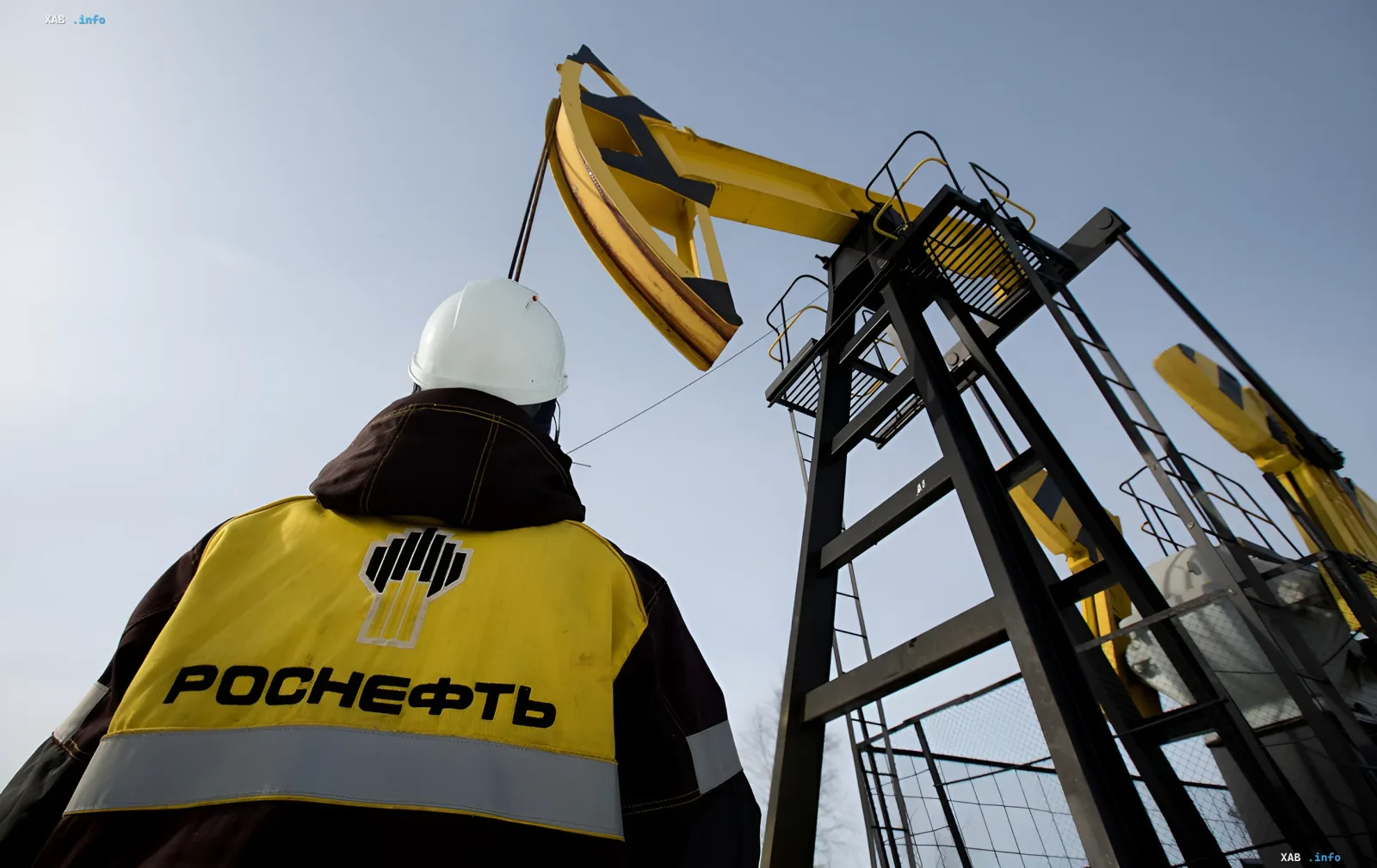
The largest Russian oil companies are at the center of the new restrictions. In particular, Lukoil and Rosneft could be targeted. It is expected that measures against these corporations will be significantly stricter than previous ones: this involves the complete freezing of assets within the European Union countries.
The 'shadow fleet' problem and maritime services
European regulators plan to expand the list of vessels included in the so-called Russian 'shadow fleet'. The bloc intends to strengthen the fight against providing various services to these vessels, with a special emphasis on insurance. However, according to Politico, a complete ban on providing maritime services related to the transportation of Russian oil will not be included in the package.
Price cap and new targets
The document plans to confirm the price cap on Russian oil. Despite the rise in global market prices due to the escalation of the conflict in the Middle East, the cap will likely remain at the current level — $44.10 per barrel.
Separately, European leaders are discussing the possibility of imposing personal sanctions on Patriarch Kirill of the Russian Orthodox Church. Previously, this step was blocked by Hungary under the government of Viktor Orbán, but Budapest's position may change now.
Context: how the pressure has evolved
Recall that on April 23, the EU approved the 20th package of anti-Russian sanctions, which became the most extensive in the last two years. At that time, restrictions affected the energy sector, the military-industrial complex, and the financial sector. In particular, 58 companies involved in the production of drones and weapons were added to the sanctions lists.
For the first time within the 20th package, a tool to counteract sanctions evasion was applied: the export of CNC machine tools and radio receivers to Kyrgyzstan was banned due to the risk of their re-export to Russia. Measures were also introduced against officials and organizations involved in the deportation of Ukrainian children.


