
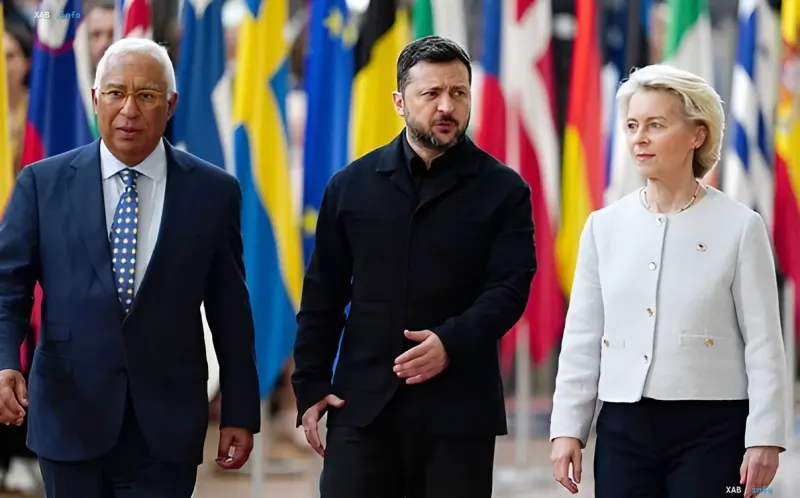
Tense diplomatic struggles are unfolding in Brussels. Permanent representatives of European Union countries at a meeting of the Committee of Permanent Representatives (Coreper) are actively negotiating, trying to agree on a revised version of the 21st package of restrictive measures against the Russian Federation. Initially, the draft presented by the European Commission in June 2026 appeared tougher, but under pressure from several member states, it underwent significant modification.
The shift to a compromise format became necessary to overcome internal disagreements before the scheduled meeting of the EU Foreign Affairs Council. The key factor here is the principle of unanimity: to approve intergovernmental restrictions within the EU, a consensus of all 27 participating states is required. It is precisely this procedural feature that allowed several countries to change the vector of the initial proposals.
Economy vs. Ideology: Where the Compromise Was Found
During interdepartmental consultations, the positions of the participating countries diverged along several critically important sectoral directions. The initial package provided for the expansion of control measures in the energy, transport, and humanitarian sectors, but reality required adjustments.
One of the most noticeable changes was the easing of visa restrictions. The proposal for a complete ban on entry into the EU for persons with combatant or military status was reconsidered. At the insistence of France, Italy, and Greece, former military personnel may be exempted from the unconditional ban. This decision reflects an attempt to find a balance between sanctions pressure and humanitarian aspects.
Significant changes also affected the transportation of energy carriers. A number of initiatives affecting liquefied natural gas (LNG) infrastructure and the operation of tankers were excluded or adjusted. Pressure was exerted by so-called "maritime states" — Greece, Cyprus, and Malta. For their macroeconomic indicators, the volume of maritime transport is vital, and a complete ban on logistics would be a blow to their own economies.
In the food sector, there was also a move away from radical measures. The draft ban on the import of certain categories of bioresources, specifically cod from the Russian Federation and the Republic of Belarus, has been replaced with softer quotas. This requirement comes from Germany, the Netherlands, and Poland, seeking to minimize damage to their own processing industries, which depend on stable raw material supplies.
Sanctions Lists and Kyiv's Position
A separate point of disagreement was the formation of individual lists of persons subject to sanctions. The demands of Bulgaria and Italy led to the potential exclusion of certain religious figures and representatives of big business from the final lists. In particular, the management of PAO "Lukoil," against which asset freezing was planned, is at risk of exclusion.
These changes are causing concern among partners insisting on a tough course. The leadership of Ukraine, represented by the Ministry of Foreign Affairs, continues to diplomatically monitor the process, insisting on maintaining the maximum rigidity of sanctions pressure. Kyiv's goal is to reduce the financial and economic potential of the Russian Federation's defense sector, and any concessions are perceived as a threat to this strategy.
Deadline and Legal Consequences
Official comments from the foreign ministries of EU states record the desire to complete work on the package by July 13, 2026. On this date, the document may be submitted for approval to foreign ministers in Brussels. According to French Foreign Minister Jean-Noël Barrot, European capitals are focusing on developing a consolidated solution.
The position of official Brussels is coordinated by the Irish Presidency, which expects to finalize the legal texts of the regulations in the shortest possible time. According to the founding treaties of the European Union, any economic and political restrictive measures are introduced on the basis of a unanimous decision of the EU Council. After this, the relevant regulatory acts are published in the Official Journal of the EU and acquire the status of direct effect for all subjects of European law.


