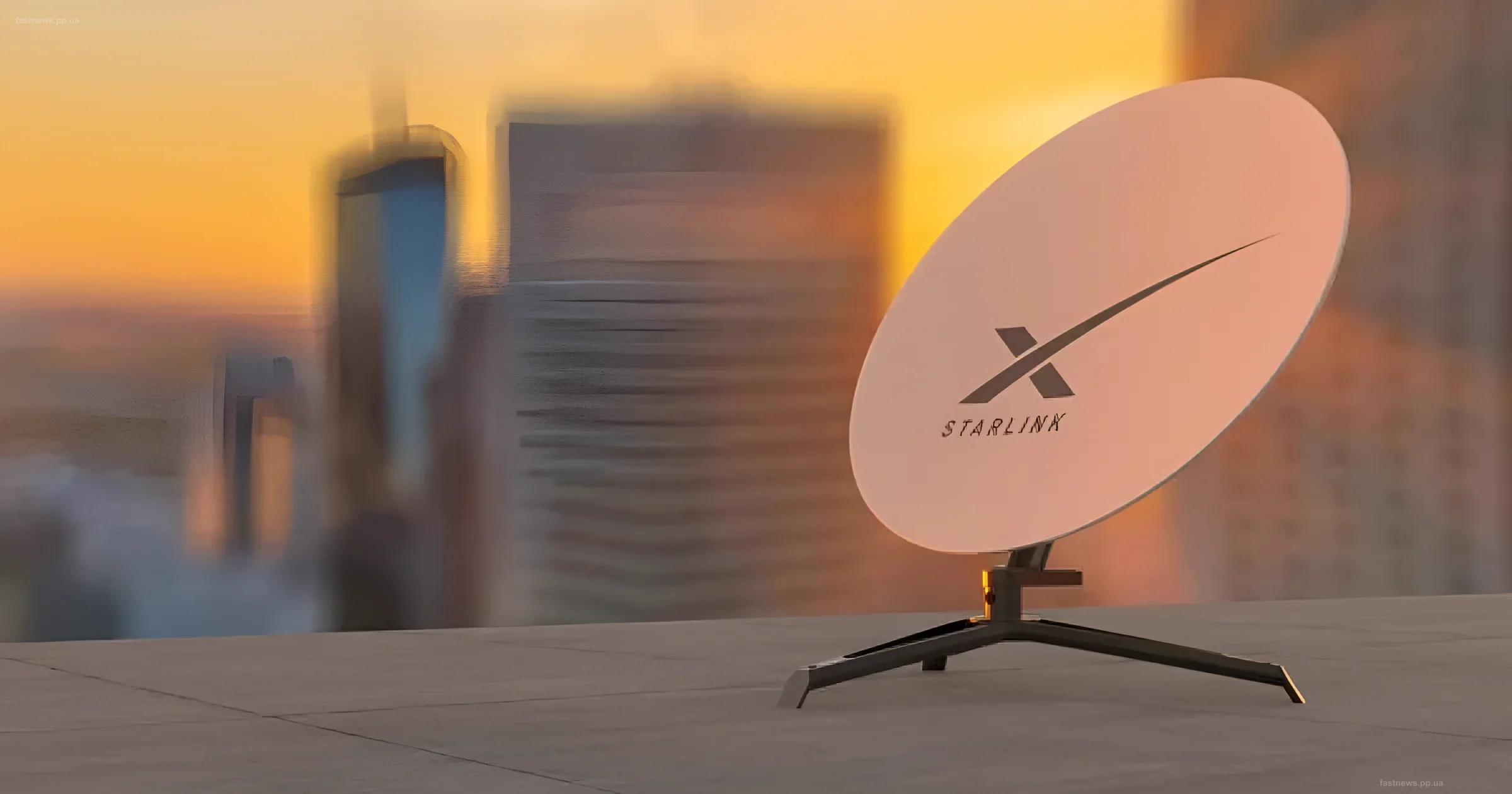
The European Commission has made a decision that could radically change the landscape of satellite communications on the continent. Brussels has officially allowed non-European players, primarily Elon Musk's Starlink and Amazon's Kuiper project, to participate in auctions for mobile satellite spectrum frequencies. However, this step does not mean complete freedom of action: strict limits on the maximum share of frequencies that can be purchased will be imposed on American giants.
Compromise Between Sovereignty and Technology
The decision was the result of complex internal discussions. A significant number of European commissioners advocated for a complete ban on the participation of American corporations in tenders, arguing the need to protect Europe's technological sovereignty. Against the backdrop of global confrontation with China and growing transatlantic tension, the question of who will control the EU's "digital skies" has become extremely sensitive.
Ultimately, a balance was found: access to resources is open, but under strict control. The approved plan provides for the distribution of the available spectrum in the 2 GHz range according to clear quotas. This will allow European operators to retain a significant part of the market without alienating advanced technologies.
Why is the 2 GHz Range Important?
The discussion is not just about radio waves, but about the fundamental infrastructure of the future. The 2 GHz frequency range is critically important because it allows for direct connection of mobile devices to satellites, completely bypassing ground cellular towers.
This solution opens the door to high-speed internet in the most remote corners of the planet—from the Arctic latitudes to the vast expanses of the ocean. Moreover, such a communication architecture ensures uninterrupted network operation in crisis situations when ground infrastructure may be damaged or destroyed.
Politics and Economics in Orbit
Despite the technological breakthrough, the process of implementing regulations still needs to be approved by the European Parliament and the governments of EU member states. Political will will play a decisive role in the final version of the rules of the game.
Interestingly, against the backdrop of these regulatory changes in Europe, Starlink is demonstrating an aggressive commercial strategy in other areas. Thus, the corporation has significantly raised prices for servicing US military drones. In particular, the cost of the service for suicide drones of the Lucas type used in the Middle East has increased fivefold. Army orders have been transferred to a specialized and significantly more expensive Starshield tariff, which has substantially increased the financial burden on the Pentagon's defense budget.


