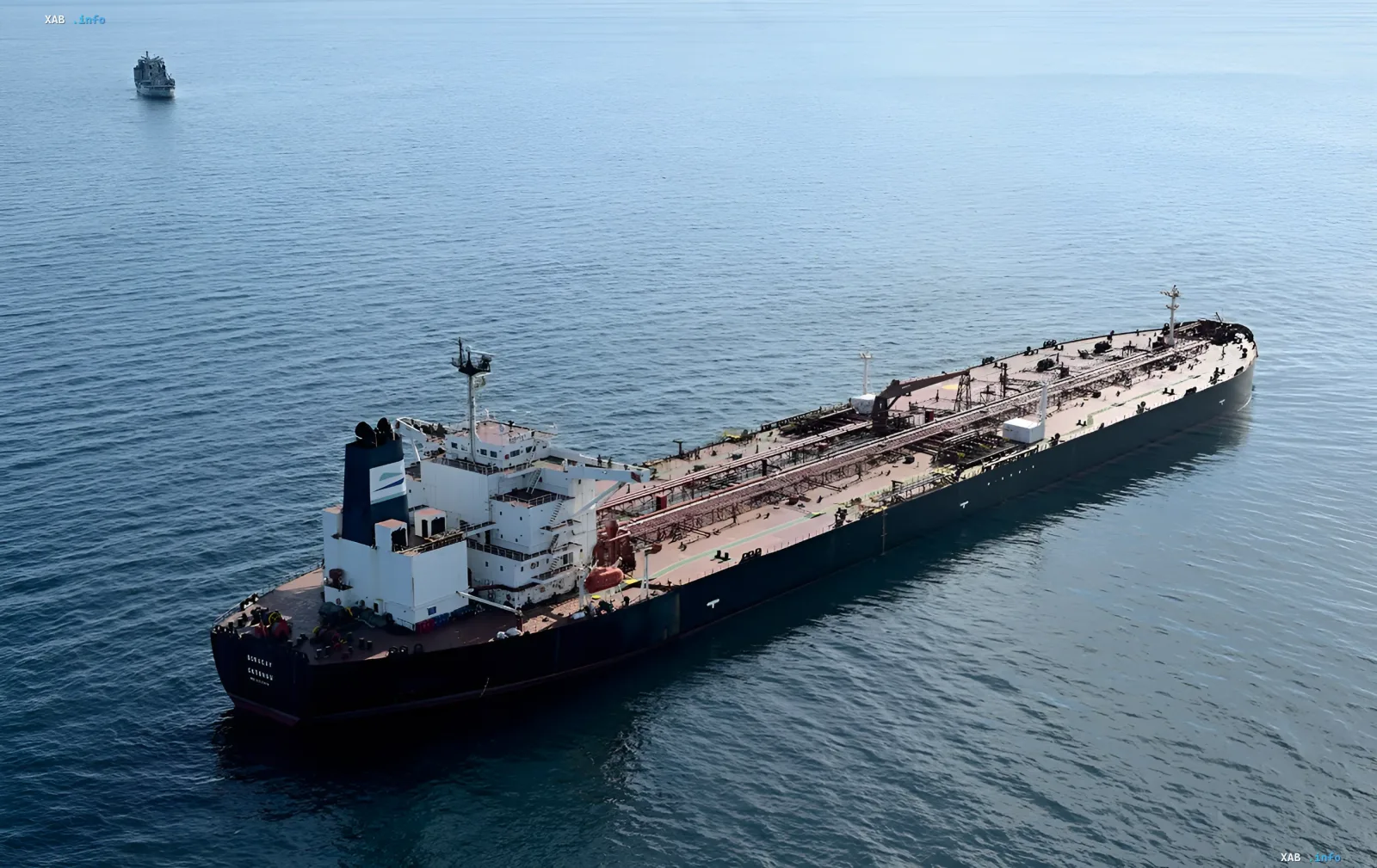
The European Union has moved from passive monitoring to active action in the fight against Russia's shadow fleet. Physical inspections of vessels suspected of violating sanctions regimes have begun in the Mediterranean Sea. This decision marks a turning point in the strategy to counter Russian oil exports.
The transition to a new level of the fight against the shadow fleet was announced on June 8 by the head of EU diplomacy, Kaja Kallas. The statement was made on the eve of the second day of the defense ministers' meeting in Nicosia. Now, the naval forces of EU member states have the right to board vessels if there are reasonable suspicions regarding their identification or violation of international norms.
Operation IRINI: from the Libya embargo to sanctions against Russia
The mechanism for these actions already existed. Operation IRINI was created in 2020 under the auspices of the UN. Initially, the mission was aimed at monitoring the arms embargo on Libya. However, in 2025, the mission's mandate was significantly expanded: its tasks now include monitoring vessels that may be circumventing international sanctions, in particular, transporting Russian oil.
Despite the expanded mandate, actual physical inspections only took place in 2026. Until this point, the mission was primarily limited to visual observation, radio checks, and inspections conducted solely with the consent of the captains.
The first precedent: detention of the tanker MV Oneiroi
The story began on June 1, when an inspection team boarded the sanctioned tanker MV Oneiroi for the first time. The incident occurred in international waters of the Mediterranean Sea. The grounds for the inspection were suspicions regarding the vessel's use of a false flag and its involvement in transporting Russian oil. The tanker itself is under sanctions from both the EU and Ukraine.
This move was met with approval in Kyiv. Advisor to the Office of the President of Ukraine, Vladyslav Vlasov, commenting on the situation, noted that Ukraine had long awaited more decisive action from Brussels. According to him, the activities of the Russian shadow fleet have been documented since 2023, and strengthening practical measures is a necessary step.
The problem of northern routes and the actions of allies
Despite successes in the Mediterranean, the issue of transporting Russian oil via northern sea routes remains open. Vlasov pointed out that Russia is actively using the route from the Gulf of Finland and the Baltic Sea through the Danish Straits to the North Sea for oil exports, despite the efforts of individual countries.
Parallel to the EU's actions, other countries are also increasing pressure. Sweden has detained four vessels since the beginning of the year, one of which may be transferred to Ukraine. At the same time, on June 1, the French Navy boarded the sanctioned oil tanker "Tagore" in the Atlantic Ocean. The vessel had departed from Russia and was under international sanctions.
On the same day, units of the Unmanned Systems Forces of the Armed Forces of Ukraine struck the sanctioned cargo ship "Leonid Pestrikov" in the port of occupied Berdyansk. The vessel was used to transport cargo from occupied Ukrainian ports, confirming the multi-vector nature of the fight against Russian export logistics.


