
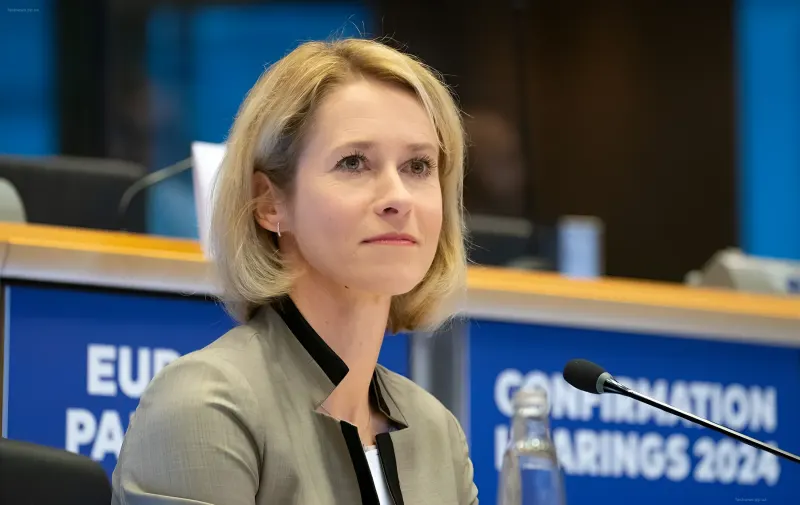
The European Union is moving from diplomatic declarations to concrete scenarios for ending the war. The head of EU diplomacy, Kaja Kallas, has voiced Brussels' tough stance: any future negotiations with Moscow will be impossible without fundamental limitations on Russia's military power. At the heart of the demands is a radical reduction in the size of the Russian army.
The Strategy of Mirroring
At a briefing before the meeting of foreign ministers, Kallas confirmed that the document containing the conditions is already ready. It was presented back in February, but now its content has been brought to public discussion. The EU diplomat emphasized that Brussels' approach is "maximalist," but this is a forced measure. According to Kallas, Europe is simply mirroring the Kremlin's position, which continues to put forward unrealistic demands, ignoring reality.
The EU's logic is simple: peace cannot be built on the ruins of Ukraine's sovereignty. Therefore, the security of the new European architecture must be based on guarantees that will rule out a repetition of aggression. Limiting the size of the Russian Armed Forces is just one of the key articles of this "treaty" that Brussels is ready to offer.
Deadlock in the Kremlin and the Risk of Escalation
Kallas' position looks particularly relevant against the backdrop of the current geopolitical situation. Internal sources in Russia admit that the war has reached a deadlock, and there is no safe exit for the regime in sight. However, despite this deadlock, Moscow continues to insist on its conditions.
Europe, however, is looking beyond the current fighting. Kaja Kallas previously warned about the risk of the conflict spreading beyond Ukraine. According to the diplomat, Russia's strategic goals remain unchanged — to change the entire security system on the continent. This is why the EU insists on strict guarantees to prevent Ukraine from becoming a springboard for further aggression against its neighbors.


