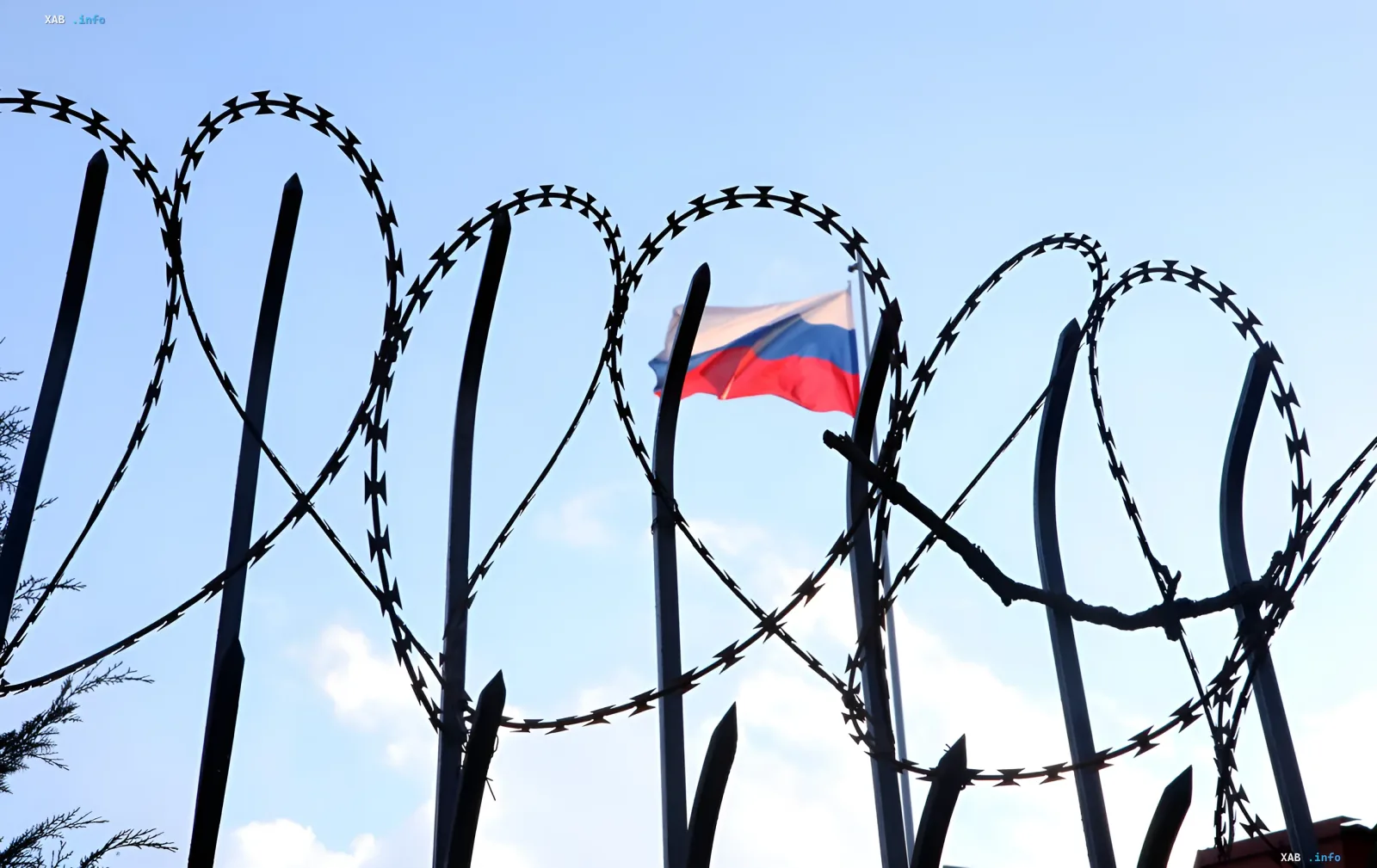
The European Union has announced the introduction of a new package of restrictive measures against Russia. As Kaja Kallas, the EU High Representative for Foreign Affairs and Security Policy, stated, the sanctions target key elements of the Russian economy supporting the war machine, as well as infrastructure used to bypass international restrictions.
In the Crosshairs: Defense Industry and Drone Manufacturers
The defense industry took center stage in the new decision. The sanctions lists now include 7 individuals and 21 organizations. Brussels focused on manufacturers and suppliers of unmanned aerial vehicles (drones), as well as intermediaries facilitating the supply of military equipment in third countries.
Among the organizations subject to restrictions are:
- Izhevsk Aviation Plant;
- Developers of facial recognition systems NtechLab;
- The Presidential Fund for Cultural Initiatives.
Boycott of the 'Shadow Fleet' and Oil Logistics
A separate block of sanctions is aimed at disrupting schemes for exporting Russian oil. The EU has imposed restrictions on 2 individuals and 24 organizations linked to the use of the so-called 'shadow fleet'. The list includes shipping structures of Lukoil and Gazprom Neft.
The EU emphasized that these schemes not only help the Kremlin bypass price caps and other restrictions but also create serious environmental risks for maritime safety.
Sanctions Against Propaganda and Hybrid Threats
The new package also touched upon the sphere of information warfare. Russian propagandists, officials, and religious figures, whom Brussels considers involved in the aggressor's hybrid networks, fell under restrictions.
Extension of Restrictions on Crimea and New Bans
During the annual review of the sanctions regime, the EU extended restrictions introduced in connection with the illegal annexion of Crimea and Sevastopol. They will now remain in force until at least June 23, 2027.
Furthermore, Brussels decided on a complete ban on entry into EU countries for former Russian military personnel involved in the aggression against Ukraine. Diplomats continue to work on expanding the lists: personal sanctions against another 80 Russian companies and citizens are under consideration.
These measures are a continuation of the 21st sanctions package adopted recently, which affected energy, financial services, trade, the cryptocurrency sector, and fishing.


