The European Union has extended the sanction regime against the Russian Federation, imposed in connection with the war against Ukraine, for three years. At the same time, two representatives of the Russian business community have been removed from the list of restrictive measures. This decision demonstrates Brussels' dual logic: on the one hand, the sanction architecture is being consolidated for the medium term, and on the other, individual figures are being removed from restrictions, which indicates that the policy is targeted rather than total.
Three-year extension of the sanction regime
The decision to extend sanctions for three years was made against the backdrop of the ongoing war unleashed by Russia against Ukraine. Cementing restrictive measures for such a long period means that the EU is not factoring a quick reversal into its policy and views the sanction regime as a sustainable instrument of pressure. For Moscow, this is a signal that economic and political restrictions will remain in place over the coming years, and for European institutions, it is an opportunity to plan foreign policy without the need for annual review of basic limitations.
Exclusions from the sanction list
Along with the extension of the regime, Brussels removed two names—two businessmen—from the list. The fact of such exclusions is important for understanding the mechanics of sanctions: they are not applied as a universal ban, but as a targeted instrument that can be adjusted depending on the political climate and specific circumstances. The article does not provide specific names or grounds for the exclusions, so the details of this decision require additional verification via official EU publications.
Readiness 2030: EU defense strategy
The decision to strengthen the European Union's defense capabilities was made in the context of the same war. The new defense strategy, initially known as ReArm Europe and subsequently renamed Readiness 2030, was presented in Brussels on March 19, 2025. The document sets a framework for preparing European defense infrastructure and industrial capacities for the 2030 horizon, linking sanction policy with a broader course toward the continent's military self-sufficiency.
Ukraine's military needs and partner support
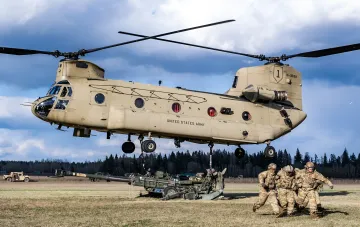
In repelling Russian aggression, Ukraine needs modern weapons—air defense systems, armored vehicles, heavy artillery, and aviation. Partner countries are providing feasible military assistance to the state subjected to aggression. Thus, the extension of sanctions, the Readiness 2030 defense strategy, and military support for Kyiv form an interconnected block of European policy aimed both at pressuring Russia and strengthening the defensive potential of the EU itself and its allies.