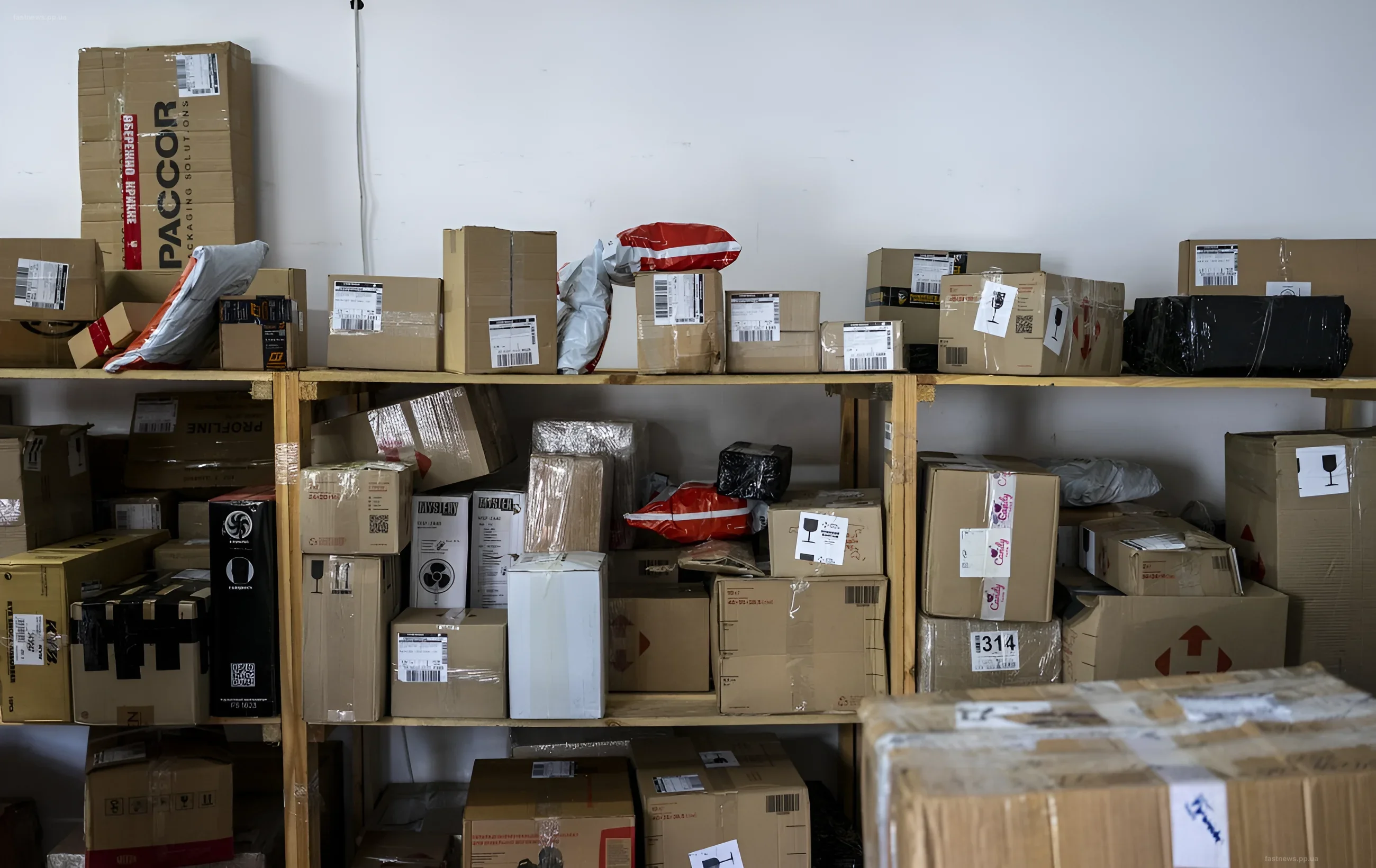
Economic support from the West comes at a price, and for Ukraine, this price is now expressed in specific tax reforms. To unlock tranches of macro-financial assistance from the European Union, Kyiv must adopt tough legislative decisions. At the center of attention is the abolition of benefits for international parcels and changing the rules of the game for sole proprietors.
The End of the Duty-Free Parcel Era
One of the key requirements for receiving the second tranche of the loan was the adoption of a law abolishing tax exemptions for international shipments. According to the text of the Memorandum of Understanding submitted for ratification in the Verkhovna Rada, exceptions will only be made for goods critical to the security and defense of the state. This means that the familiar way for many to receive goods from abroad without paying duties is a thing of the past.
Parliament has already faced this issue: on May 26, draft law No. 12360 regarding the taxation of parcels was rejected. Deputies did not support the document itself, nor the amendments to it, nor did they give it a chance for a second reading. Now, according to explanations by deputy Yaroslav Zhelelyak, the government will have to initiate the procedure again by submitting a separate draft law to meet the creditor's conditions.
Breathing Easier: Reforms for Sole Proprietors
In addition to import taxes, the EU also insists on optimizing the administration of VAT for individual entrepreneurs. This condition will be the key to unlocking the third tranche of aid. The reform aims to reduce the bureaucratic burden on business. Specifically, it proposes:
- Transition from monthly to quarterly VAT reporting;
- Replacement of daily tax invoices with monthly ones;
- Introduction of a preliminary tax declaration;
- Simplification of the procedure for unblocking invoices.
Such measures are intended to make doing business more comfortable and transparent, which is an important signal for investors and partners.
Digital Platforms and Payment Deadlines
The list of mandatory reforms also includes the taxation of income received through digital platforms. A draft law on this issue must be submitted to parliament to receive the very first tranche of aid. The total amount of macro-financial support is divided into three stages: €3.2 billion, €3.7 billion, and €1.45 billion. Specific dates for the transfer of funds have not yet been determined and will depend directly on the pace at which Ukraine fulfills its commitments.
These negotiations are taking place against the backdrop of the IMF mission in Kyiv. The review of the cooperation program with the fund is recognized as one of the most difficult stages, where the introduction of taxation on all international parcels remains one of the main demands of international creditors.


