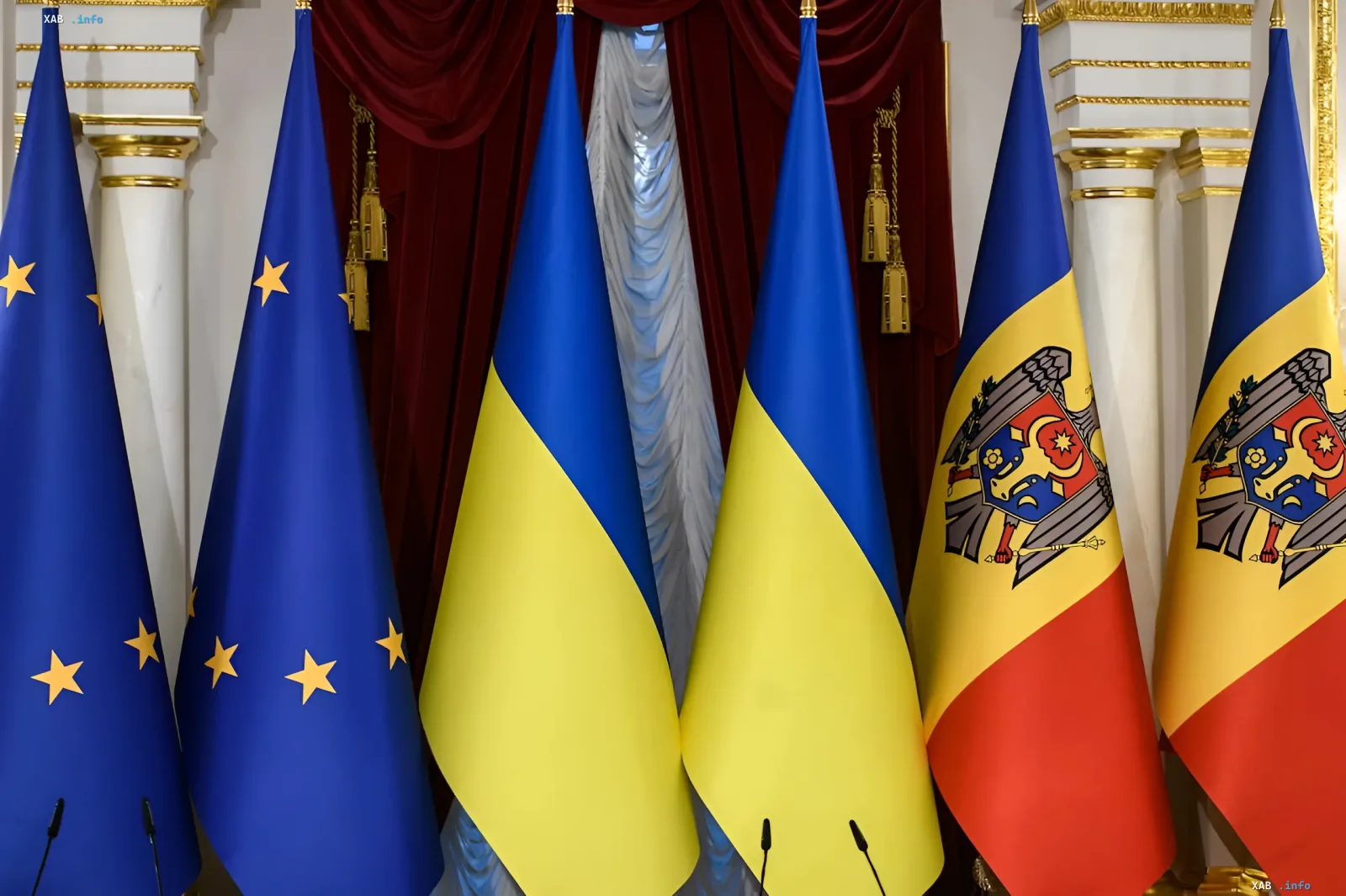
June 15, 2026, marked a landmark day for the European integration of the Eastern Partnership. In Brussels, all European Union member states officially approved the opening of the first cluster of accession negotiations for Ukraine and Moldova. This decision marked the transition from political declarations to a substantive, detailed phase where every word in the legislation carries weight.
The first step in this complex process is called "Fundamentals." This is not merely a formality but the foundation upon which the entire future integration is built. This cluster covers the most sensitive areas: judicial reform, anti-corruption efforts, human rights protection, as well as issues regarding public procurement and financial control.
The work on this block is governed by a strict rule: "opened first, closed last." This means that negotiations on the "Fundamentals" will continue throughout the entire accession process. Progress in this area will serve as a direct indicator of the speed at which the remaining five thematic clusters, covering 35 chapters of legislation, are opened and closed.
The path to this historic agreement was not easy. For a long time, Hungary's position was the main obstacle, blocking the process due to claims regarding the rights of national minorities in Ukraine. However, the political situation changed after the new government led by Péter Magyar came to power.
A compromise was found thanks to diplomatic efforts. The new Budapest and Kyiv reached an agreement on expanding the linguistic, educational, and cultural rights of the 100,000-strong Hungarian community in Zakarpattia. Ukraine promptly recorded these commitments in its updated action plan before the EU, which allowed the block to be lifted and a consensus reached.
European Commissioner for Enlargement Marta Kos noted the high readiness of Kyiv and Chisinau. Thanks to the work done, Brussels expects to open the remaining five negotiation clusters by the end of July 2026, accelerating the countries' path to full membership.


