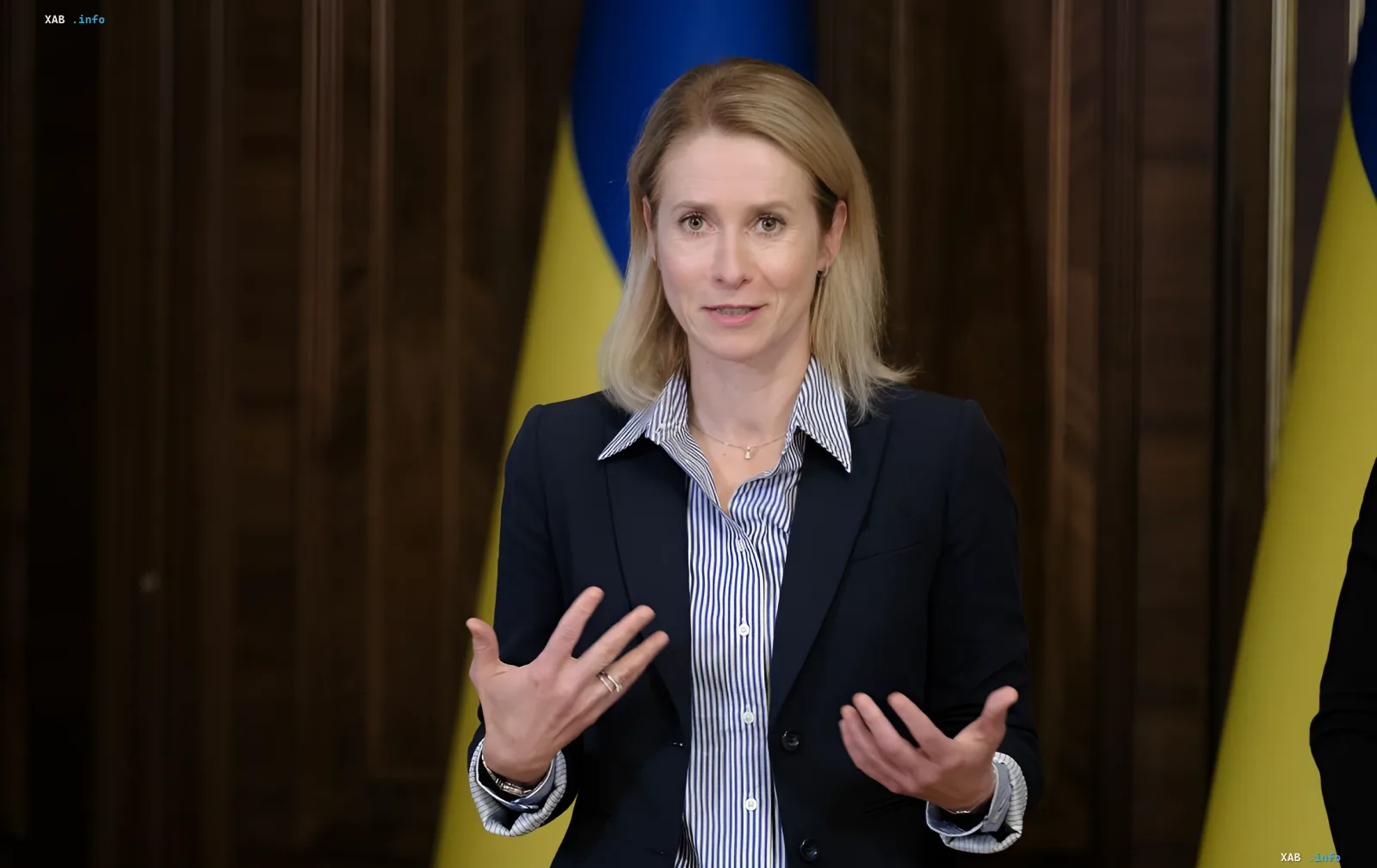
The European Union is preparing a massive expansion of sanctions pressure on Russia. The EU High Representative for Foreign Affairs, Kaja Kallas, confirmed that Brussels plans to impose restrictions on another 80 Russian entities and individuals. According to diplomats, these subjects are directly supporting military operations against Ukraine.
Goal: Destroying the War Economy
Kallas's statement came in Cyprus, following the conclusion of an informal meeting of defense ministers from the bloc. The head of EU diplomacy emphasized that the current sanctions policy is proving effective: Russia is suffering colossal losses, already estimated at $1.5 trillion.
"Brick by brick, we are destroying the foundations of Russia's war economy," Kallas noted. According to her, it is precisely due to the loss of money, people, and strategic momentum that Moscow is forced to intensify strikes on Ukrainian cities, trying to compensate for failures on the front lines.
New Blow to the Oil Sector
Brussels is rushing to adopt the 21st package of sanctions. The focus is on the energy sector and Russia's so-called "shadow fleet." The restrictions are intended to cut off financing channels that allow Moscow to bypass previous bans on hydrocarbon exports. This will be a logical continuation of the 20th package, approved in April, which was already the most extensive in the last two years and affected the military-industrial complex and the financial sector.
Redistribution of the Aid Fund
At the meeting, ministers discussed the fate of a fund worth €6.6 billion. Previously, these funds were used exclusively to compensate donor countries for the costs of weapons already transferred to Ukraine. Now, Kaja Kallas proposes changing the rules of the game and using this money for more flexible support for Kyiv, which will allow Europe to act more autonomously.
Kallas pointed to the critical importance of EU independence against the backdrop of a possible weakening of the United States' position. Europe's task is to ensure stable support for Ukraine and prevent Moscow from regaining a military advantage.
Sanctions Against Child Deportation
In addition to economic and military restrictions, Brussels has introduced new measures against specific officials and organizations. Those involved in the illegal deportation of Ukrainian children and their subsequent ideological indoctrination have come under fire. EU policy remains unchanged: assets are frozen, and funding for the war machine is cut off.


