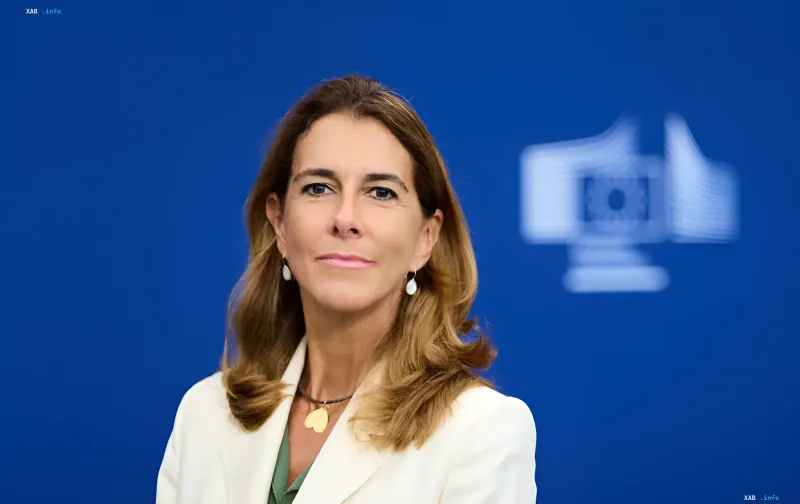
The European Union has officially confirmed its readiness to join multilateral negotiations aimed at ending the war in Ukraine. This was stated by European Commission spokesperson Paula Pinho, who emphasized that Brussels is prepared to shift to an expanded dialogue format, although specific details regarding the venue have not yet been discussed.
Transition to a Multilateral Format
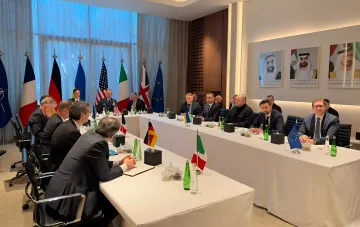
“We are ready to move to a multilateral format of negotiations,” Pinho said while responding to questions about the EU's role in the settlement. According to her, the European Union is fully prepared to participate in such negotiations, but the parties have not yet moved to discussing specific venues. “Specific locations have not yet been discussed. So we have not reached that stage yet. But we are absolutely ready to participate in multilateral negotiations,” the EC spokesperson noted. Thus, the EU is effectively securing its status as a potential participant in the peace process alongside key parties to the conflict.
Venue Candidates for the Next Meeting
Among the possible locations for the next meeting, according to the Italian newspaper La Repubblica, Switzerland, Norway, and the European part of Turkey are being considered. These options fit into a broader diplomatic discussion about choosing a neutral or compromise venue: earlier, Ukrainian President Volodymyr Zelensky publicly proposed holding trilateral talks in Turkey during his visit to Ankara, and the Prime Minister of Hungary expressed readiness to host the meeting on their territory. Thus, the list of potential venues continues to expand, and the final choice will apparently be coordinated taking into account the positions of all participants.
Results of the Abu Dhabi Round
The EU’s decision on its readiness for a multilateral format came against the backdrop of recent progress in the negotiation process. The last round of trilateral talks involving Ukraine, Russia, and the U.S. as a mediator took place on November 10–11 in Abu Dhabi. During the meetings, the parties discussed security guarantees for Ukraine, the future security architecture in Europe, the exchange of prisoners of war, and territorial issues. As a result of the negotiations, Ukraine and Russia agreed on a large-scale prisoner swap, which was one of the notable practical outcomes of this round.
Diplomatic Activity After the Meeting
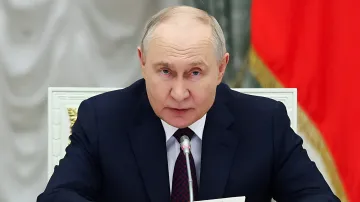
Immediately after the Abu Dhabi round, U.S. special envoys Steve Witkoff and Jared Kushner continued active diplomatic efforts: they traveled to Moscow for a meeting with Vladimir Putin, and then met with Ukrainian President Volodymyr Zelensky in Dublin. This sequence of contacts indicates that the settlement process is gaining momentum and shifting from bilateral and trilateral formats to broader multilateral engagement, in which the EU intends to take an active position.