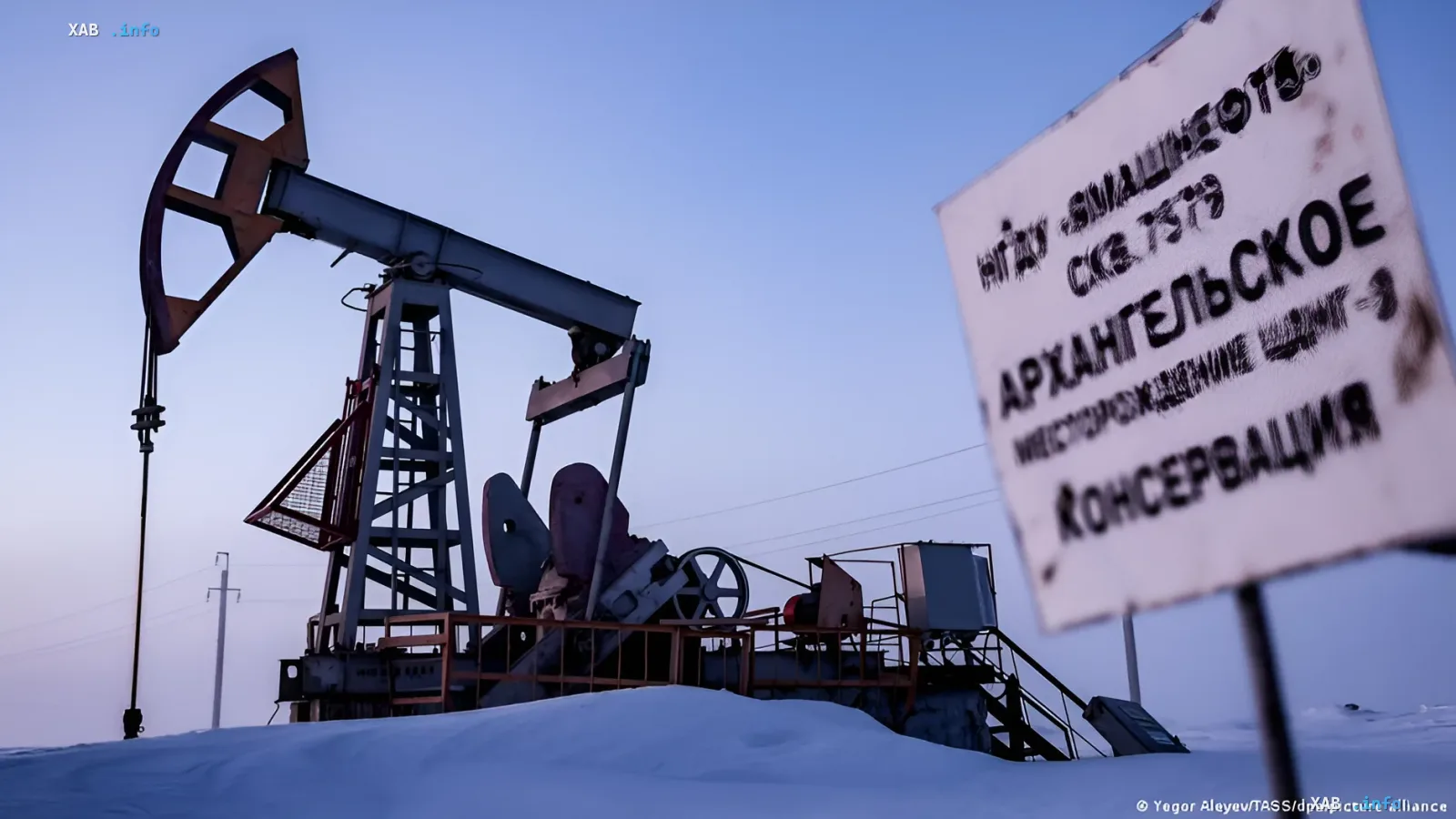
The European Union is considering temporarily freezing the increase of the price cap on Russian oil. This decision is driven by rising global prices against the backdrop of escalating tensions in the Middle East. According to Bloomberg, citing sources, Brussels does not intend to allow the automatic increase of the limit under current conditions.
Dynamic mechanism and current rates
In 2025, the EU approved a dynamic mechanism that provides for the automatic review of the price cap every six months. The calculation formula sets the limit at 15% below the average market price of the Russian Urals grade. Currently, the threshold is fixed at $44.1 (€37.82) per barrel.
According to the rules, European companies are prohibited from providing insurance and transportation services for raw materials sold above the established threshold. The scheduled review, planned for late summer, was expected to raise the limit to at least $65 per barrel. This value significantly exceeds the previous level of $60 agreed upon by the G7 countries.
Brussels' options for action
EU authorities are discussing several scenarios to avoid a sharp spike in prices. Among the options being considered:
- Maintaining the current cap at $44.1 per barrel.
- Suspending the dynamic mechanism of automatic increase until the end of the year.
- Limiting any price increase to a threshold of $60 per barrel.
The decision on this issue is expected to be part of the EU's 21st sanctions package, which is currently being finalized and should be presented in early June.
Expansion of restrictions and the "shadow" fleet
The new sanctions package provides not only for the adjustment of oil prices but also for increased pressure on infrastructure used to circumvent restrictions. In particular, restrictions are being introduced against banks, oil traders, refineries, and crypto operators in third countries that help Moscow evade sanctions.
In addition, ships of the "shadow fleet" will be targeted. Sanctions will be imposed against approximately 20 tankers used by Russia. In the future, the restriction regime is planned to be extended to ships transporting liquefied natural gas (LNG). This should significantly limit the Kremlin's ability to create alternative logistics for energy exports.
Market context and geopolitics
The EU's decision is being made against the backdrop of volatility in commodity markets. The cost of the Brent crude oil futures contract for July delivery rose by 3.3% to reach $99.33 per barrel. US WTI crude futures were trading at $92.79.
The price increase is occurring despite the ceasefire between the US and Iran, which has been in effect since April 8. The situation remains tense: Donald Trump warned of the possibility of new attacks if negotiations with Tehran fail. In the night of May 26, US troops struck targets in southern Iran, including missile sites and ships attempting to lay mines. The US Central Command called these actions measures of self-defense, while Iran's Islamic Revolutionary Guard Corps threatened retaliatory measures.


