
The European Union has made a principled decision: until a clear strategy for resolution is formulated, no special negotiator with Moscow will be appointed. This decision, taken at an informal meeting of foreign ministers in Cyprus, is a response to growing uncertainty and skepticism regarding the Kremlin's intentions.
A key role in this decision was played by the position of the head of EU diplomacy, Kaja Kallas, supported by Berlin and other key players. Brussels proceeds from the assumption that before sitting down at the negotiating table, it is necessary to fully understand its own position and mechanisms for supporting Ukraine. Under current conditions, appointing an intermediary could be perceived as weakness or even a trap.
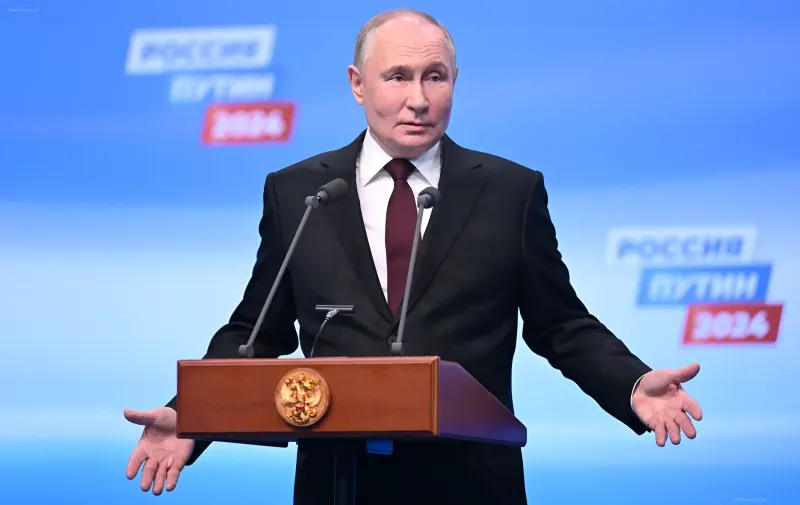
Skepticism regarding Vladimir Putin in the EU has reached a peak. European leaders are convinced that the Russian leader is not inclined to sincerely stop the war. Instead of diplomatic concessions, Brussels is preparing a new round of pressure — the 21st sanctions package is expected to be presented soon, which will hit Russia's financial sector and defense industry.
Within the bloc, opinions on the negotiator differ. Some countries fear that this step will weaken sanctions pressure while the US gradually reduces its activity as an intermediary. Others see this as a necessity, but for now, consensus has shifted towards a hard line.
Among the potential candidates for the role of "European mediator," prominent names were mentioned: from former German Chancellor Angela Merkel to Finnish President Alexander Stubb and former ECB President Mario Draghi. However, Merkel has already declined this role, and Putin's own proposal — the candidacy of Gerhard Schröder — was rejected as unacceptable. Kaja Kallas did not shy away from calling Schröder a "lobbyist for Russian companies," and Chancellor Friedrich Merz emphasized: the decision on the EU representative must be made by Europeans themselves.


