The European Union has expanded its sanctions list by including nine Russian oil refineries and petrochemical facilities. This is evidenced by a document published in the Official Journal of the EU and provided to RBC-Ukraine. Among the affected facilities are the Moscow Oil Refinery, the Omsk Refinery, and Kirishinefteorgsintez. The restrictions cover enterprises located in various Russian regions, from the Leningrad Region to the Khabarovsk Territory, indicating the geographically distributed nature of the new sanctions package.
Composition of the sanctions list and geography of restrictions
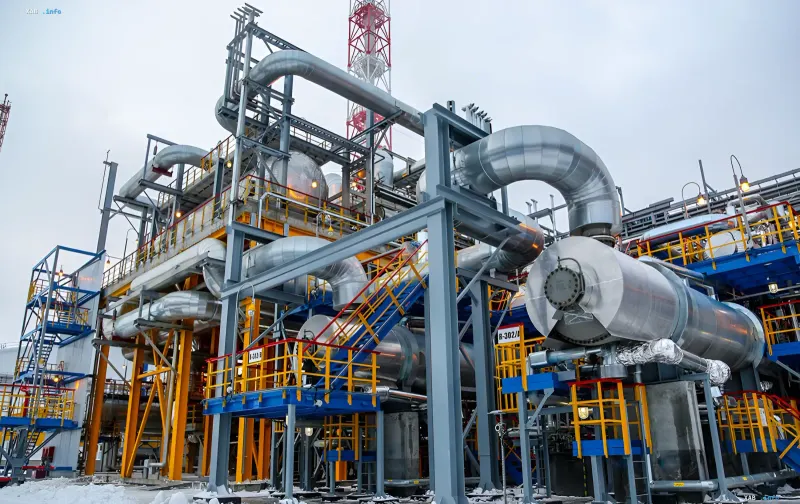
The new list includes both large refining capacities and petrochemical production sites. The Omsk Refinery, in particular, is Russia's largest oil refining facility with a design capacity of over 21 million tons of oil per year. The Moscow Oil Refinery and Kirishinefteorgsintez are also significant players in the fuel and energy sector. The distribution of the affected plants across the country — from the western regions to the Far East — suggests that Brussels aims to reduce the overall processing potential of the Russian petrochemical industry rather than targeting individual focal points.
Context: Attack on Omsk Refinery on November 11
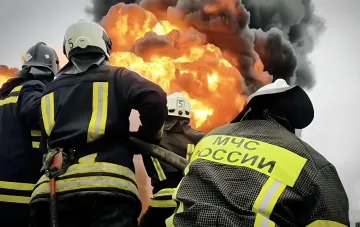
The inclusion of the Omsk Refinery in the sanctions list comes against the backdrop of recent combat operations. On November 11, 2026, reports emerged of a strike by the Defense Forces of Ukraine on the Omsk Refinery, located 2,500 kilometers from the border. Explosions were heard at the site, followed by a massive fire. This is not the first instance of impact on this facility; some of the enterprises included in the new sanctions list had previously been targets of Ukrainian strikes.
Cumulative effect: Sanctions and combat strikes
According to the Main Directorate of Intelligence, as of late September 2026, Ukrainian strikes had halted operations at 15 out of 38 major Russian oil refineries. Another 12 enterprises significantly reduced production volumes. Thus, by the beginning of autumn 2026, more than half of Russia's key processing capacities were in a state of total or partial inoperability. The new EU sanctions package, complementing physical damage to infrastructure, is aimed at limiting these enterprises' access to international markets, technologies, and financial instruments, which, combined with combat strikes, creates cumulative pressure on the fuel and energy sector.
Significance of the new package for the Russian economy
Sanctions against refineries and petrochemical plants affect not only the companies themselves but the entire supply chain: from raw material logistics to the export of finished products. Including facilities from different regions deprives Russia of the opportunity to redistribute processing capacities within the country to bypass restrictions. For the Omsk Refinery, with a design capacity exceeding 21 million tons per year, the combined impact of combat strikes and sanctions may lead to prolonged forced downtime, further reducing the volumes of refining and petroleum product exports.