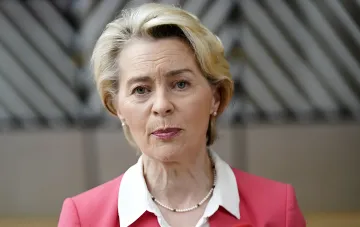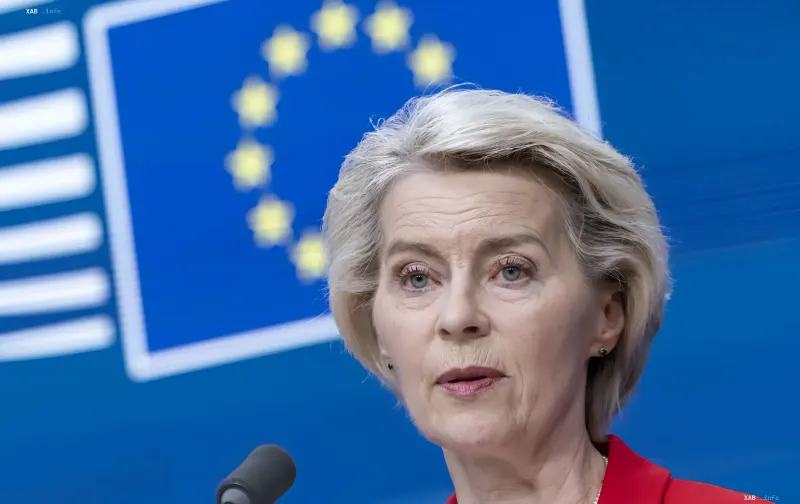
The European Union remains firmly committed to completely ending imports of Russian gas by the end of 2027, despite ongoing economic challenges and price volatility. European Commission President Ursula von der Leyen made this statement during a speech at the European Parliament in Strasbourg. The head of the Commission emphasized that Brussels does not intend to alter its strategic course toward energy independence, even amid a severe energy crisis.
Background and Supply Diversification
In her address, von der Leyen recalled the massive transformation of the European energy market over recent years. Four years ago, when Russia attempted to use energy supplies as a tool of political blackmail, the share of Russian gas imports in the EU stood at 45%. Thanks to coordinated actions by member states and emergency supply diversification, this figure has been successfully reduced to the current 12%. Simultaneously, the bloc has significantly ramped up investments in renewable and clean energy technologies.
Contradictory Data
Despite the EU's stated course toward zero Russian hydrocarbon imports by the end of 2027, experts and analysts point to significant contradictions in current statistics and winter preparations. On one hand, official Brussels reports a successful reduction of dependency to 12%. On the other hand, critics note that European nations continue to purchase significant volumes of Russian gas, while overall EU underground gas storage (UGS) fill levels dropped to a critical 58% in August—the lowest figure since 2011. Germany appears particularly vulnerable, with storage facilities filled at only 47% while the Berlin government declined to mandate state companies to purchase expensive fuel.
Energy Crisis and New Challenges
The situation is further complicated by a new wave of energy crisis affecting European industry and ordinary consumers. According to the European Commission, since the end of February 2026, spot gas prices have surged by 140%, while diesel fuel costs have doubled. Additional financial burdens have been imposed on Europe's economy by imported fossil fuels, costing the community an extra 100 billion euros since the conflict's escalation. Nevertheless, EU leadership insists that returning to previous levels of reliance on Russian resources is out of the question, and the bloc intends to overcome these challenges through internal resilience.