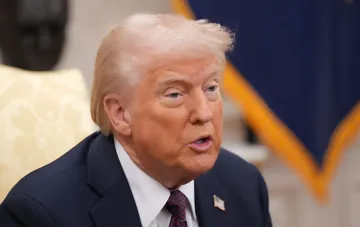
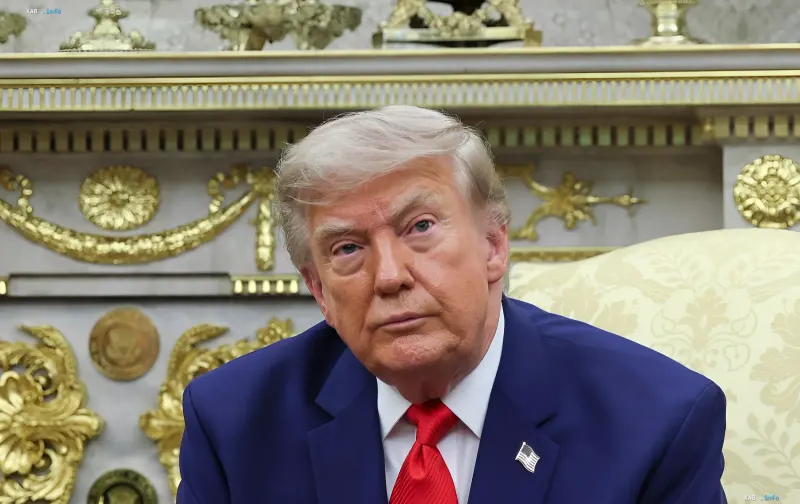
Leading European states and the European Commission have formulated a coordinated response strategy to the strict demand from the United States to open strategic diesel fuel reserves. Washington, represented by Energy Secretary Chris Wright, issued an ultimatum: either European countries release significant volumes of fuel, or they face a complete ban on the export of American fuel to Europe. Such a measure could deliver a devastating blow to the Old World economy, which is critically dependent on transatlantic supplies accounting for over half of all diesel imports in the region.
Background of the Conflict and US Demands
The closed demands of the US administration affect colossal volumes — 120 million barrels over six months, which is more than a third of all diesel reserves in the European Union. Amid soaring fuel prices inside the US caused by geopolitical upheavals, the US president seeks to stabilize the market ahead of the upcoming midterm elections in November. US oil workers oppose the export ban, but the White House views this leverage as a very real tool to achieve domestic political goals.
Contradictory Data
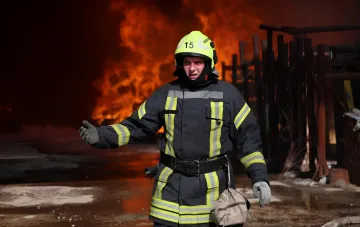
There are noticeable discrepancies in assessments of the true causes of the global diesel crisis between Washington and independent analysts. The US president publicly places the main blame on Ukraine, stating that the market suffered due to systematic Ukrainian drone strikes on Russian oil refineries that incapacitated diesel production facilities. At the same time, authoritative expert publications and analysts, citing specialized research, point to the key factor of the Middle East conflict — Iran's blocking of the strategic Strait of Hormuz, which has been shaking the global hydrocarbon market since spring.
Diplomatic Response and Europe's Next Steps
In response to unprecedented pressure, Great Britain, France, Germany, Italy, Ireland, and European Commission representatives held an emergency coordination meeting. Participants agreed on the need to act as a single front, transfer all decisions on releasing reserves to the level of the International Energy Agency, and lower the tension in dialogue with Washington. As one European diplomat noted, the main task is subtle de-escalation of the situation without open confrontation with the American administration.