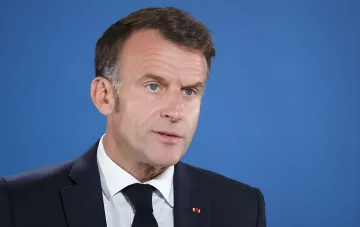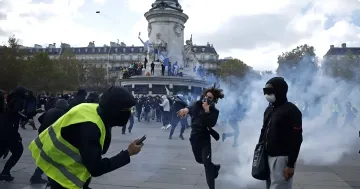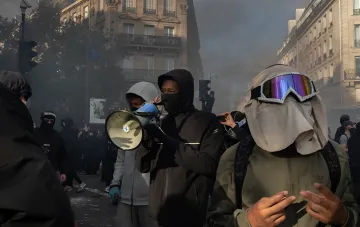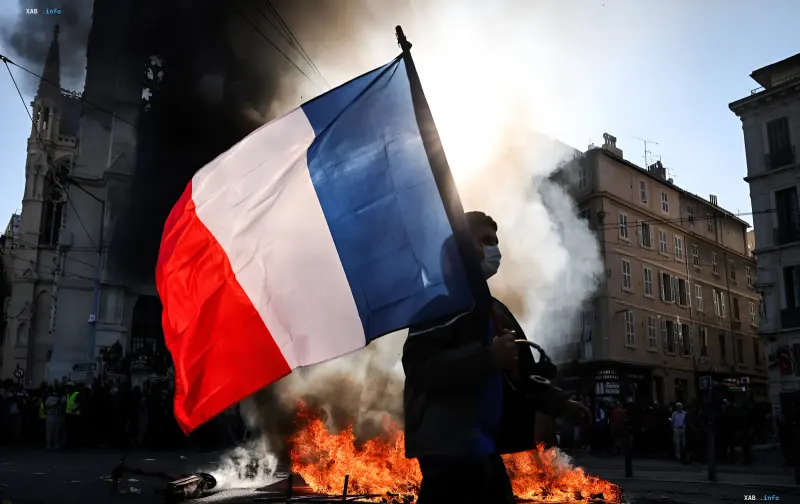
European regulators and intelligence services have launched an investigation into whether foreign states attempted to influence the wave of violence and looting in France. Primary attention is being paid to potential Russian disinformation campaigns, while outbreaks of unrest in other European countries are also being examined in parallel. According to media sources, pro-Russian and far-right accounts shared violence-related videos to amplify the chaos, and analysts have also detected signs of potential foreign influence from Iran and Algeria. However, there is currently no concrete evidence that foreign states organized the riots or substantially influenced their course.
“Storm-1516” and the “Matryoshka” Network: Traces of Russian Campaigns
David Colon, a disinformation researcher at Sciences Po in Paris, stated that Kremlin-linked opinion leaders spread false reports, including those tied to the “Storm-1516” campaign. He also mentioned the Russian influence network known as “Matryoshka”. At the same time, he noted that pro-Russian activists were not the initiators of the demonstrations and did not dictate the course of events. European governments have instructed intelligence services to check whether Russian operatives could have been more actively instigating violence; in France, the investigation is at an initial stage.
Fake Videos and Millions of Views
Media outlets discovered accounts publishing clips falsely presented as footage from France. In particular, a video of protesters using fireworks gathered nearly six million views on social network X, even though it was actually filmed during 2024 protests in Tbilisi. Observers assess that such materials were used to heighten the sense of chaos and radicalize the audience.
Internal Causes: The Intelligence Perspective
Representatives of European intelligence agencies emphasize that the unrest may stem primarily from internal causes—dissatisfaction with state institutions and political radicalization. “It would be an oversimplification to claim that Russians are to blame for everything,” noted a European intelligence official. Thus, foreign interference is being treated as one hypothesis alongside domestic factors rather than as an established fact.
Brussels and Platform Reactions
The European Commission has discussed cooperation with platforms X, Instagram, and TikTok with French authorities. Regulators are urging online platforms to remove listings offering items that may have been stolen during the looting. Brussels warned that if risks become systemic and platforms refuse to cooperate, the European Commission could intervene.
Context: From School Protests to Curfews
The unrest in France and other countries unfolds against the backdrop of intensifying Russian hybrid attacks against the West. In September, protests began in France involving schoolchildren demanding better learning conditions; on October 17–18, riots broke out in the country, resulting in damage to at least 2,000 stores and retail establishments. On October 19, French authorities imposed hourly curfews in Paris, Marseille, Nice, and several other cities; French Prime Minister Sébastien Lecornu emphasized that hourly and localized curfews are currently more appropriate. Unrest has also been recorded in Milan, Italy, where the government deployed 500 military personnel. Volodymyr Kurennoy, Deputy General Director of RBC-Ukraine, noted in a column that the street wave began with student demonstrations, and it is now difficult to formulate all the demands of the protesters.