European political circles are actively discussing the format of a direct dialogue to resolve the conflict in Ukraine, considering five potential leader candidates to negotiate with the Russian side. Against the backdrop of a growing understanding of the need for direct diplomatic interaction, the European Union is exploring various representation options to develop a unified and resilient position for the bloc.
Diplomatic Search and Delegation Format
According to Western media reports, notably The Telegraph, preliminary consultations have already been held with potential candidates for the negotiating role. Sources familiar with the discussions note that instead of appointing a single special envoy, Brussels leans toward sending an entire group of European leaders. This collective approach aims to prevent internal competition between member states and minimize the risk of blocking individual candidates, as previous attempts to agree on a single figure yielded no success.
Potential Candidates for Negotiation
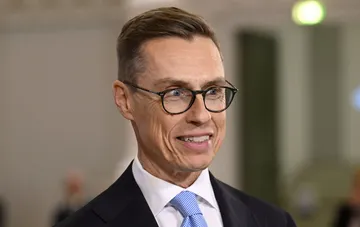
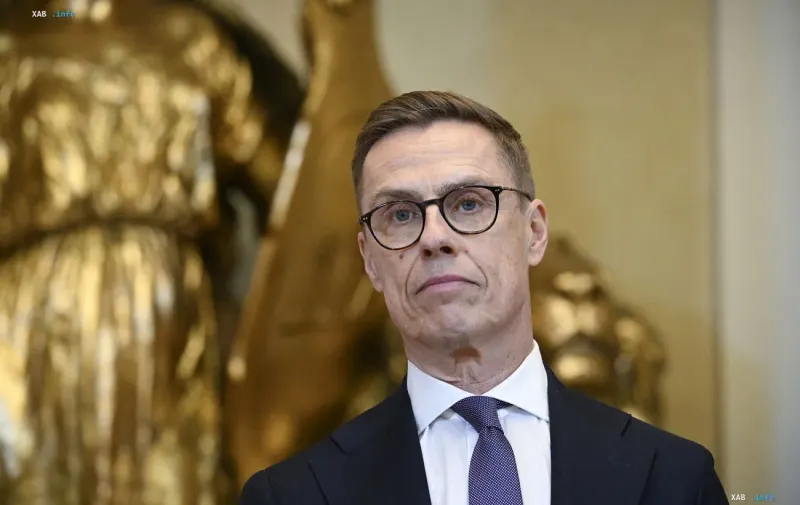
Among the key figures attracting the greatest attention from observers and experts is Finnish President Alexander Stubb, whose diplomatic experience and positions are highly regarded in European capitals. In addition, the shortlist of potential participants in the negotiation process includes Italian Prime Minister Giorgia Meloni, Czech President Petr Pavel, and Danish Prime Minister Mette Frederiksen. These leaders are seen as capable of forming a balanced and authoritative negotiating group on behalf of the entire community.
Positions of EU Institutions and Next Steps
While national leaders discuss possible participation in the mission, the leadership of European Union institutions is distributing roles taking political realities into account. Specifically, incumbent European Council President António Costa has publicly refused to participate in direct negotiations with the Russian leadership. This decision underscores the need to involve leaders of member states who possess the necessary mandate and trust within the union.
Significance of Potential Negotiations for European Security
The search for effective negotiators marks a significant shift in the EU's diplomatic strategy regarding the settlement of the war in Ukraine. The formation of a group of leaders instead of appointing a sole representative demonstrates Brussels' commitment to maintaining unity and preventing divisions amidst a changing international environment. Further steps by European capitals will depend on the parties' willingness to compromise and develop a common mandate for diplomatic dialogue.