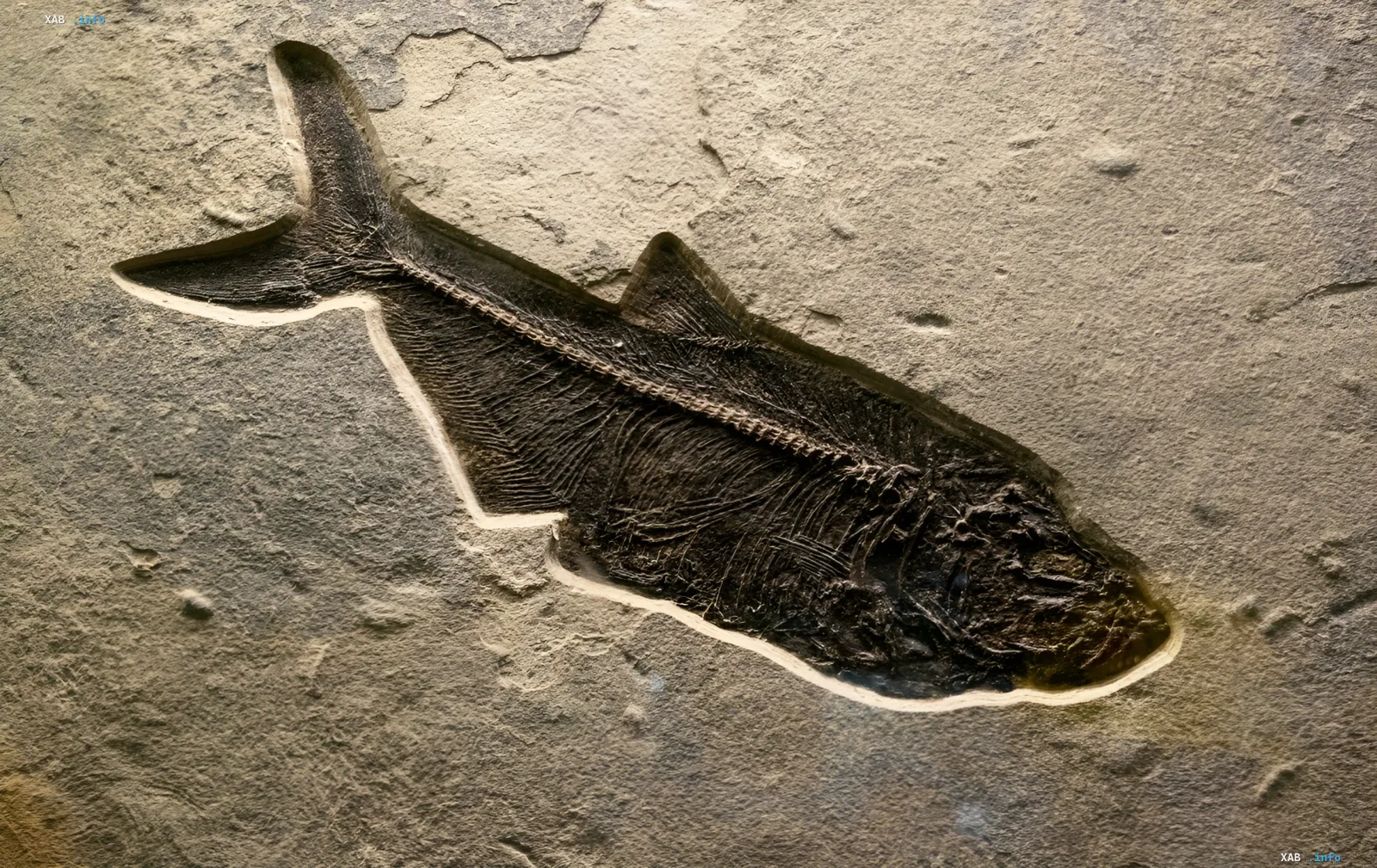
The map of life's evolution on Earth is undergoing radical changes. Paleontologists have made a sensational discovery in the mountains of Canada, forcing a re-evaluation of accepted theories about when and where complex animal life originated. The discovered fossils of the Ediacaran biota prove that the ability to move and reproduce sexually appeared in the ocean millions of years earlier than previously thought.
The study, published in the prestigious journal Science Advances, is based on findings in the Mackenzie Mountains on the Northwest Territories of Canada. Scientists gained access to unique rock formations with the consent and under the guidance of the Sahtu Dene and Métis indigenous peoples, where they discovered more than 100 unique specimens.
Shifting Timeframes
The age of the discovered fossils is estimated at 567 million years. This makes them 5–10 million years older than any known analogs to date. Ediacaran organisms are the oldest direct evidence of the existence of multicellular animal life. Since they lived long before the appearance of skeletons and shells, their soft bodies are extremely rarely preserved in geological layers.
Before this discovery, there were only a handful of places in the world where more than 10 different species from that period were found together. Scientists traditionally divide the Ediacaran biota into three temporal complexes: Avalon, White Sea, and Nama. Notably, remains of the White Sea period were found exclusively in Europe, Asia, and Australia. The Canadian find became the first confirmation of the existence of this fauna in North America.
Witnesses of Ancient Life
Among the dozens of species found, paleontologists highlighted several key organisms demonstrating surprisingly complex behavioral traits for that time:
- Dickinsonia — a flat, rounded creature with a segmented body. It had no mouth and moved along the sea floor, absorbing bacteria and algae through its entire underside.
- Funisia — a sessile tubular organism that lived in colonies. It provided the oldest evidence in the world of sexual reproduction: the creatures synchronously released eggs and sperm into the water, similar to modern corals.
- Kimberella — a creature with a muscular "foot" that fed by scraping organic matter from the bottom. Scientists consider it an early relative of mollusks and the oldest representative of bilaterian animals possessing mirror body symmetry.
- Eoandromeda — a probable ancestor of modern ribbon worms, having eight characteristic spiral appendages.
Deep-Sea Breakthrough
Aside from their age, the find surprised scientists with the habitat of these creatures. It was traditionally believed that such evolutionary leaps occurred on coastal shallow waters. However, the Canadian samples clearly indicate that the organisms of the White Sea assemblage inhabited the deep-sea zones of the ancient ocean.
This completely changes the typical understanding of the course of animal evolution. The study leaders suggest that the first biological innovations originated precisely in the deep sea and only subsequently spread to the coast. Despite the fact that the deep ocean is associated with darkness and a lack of resources, millions of years ago it remained the most stable place on the planet. The absence of sharp fluctuations in temperature and oxygen levels gave the first life a chance for a global evolutionary breakthrough.


