The Ukrainian government's decision to block local community funds in State Treasury accounts poses a severe threat to the stable operation of critical infrastructure across the entire country. Financial restrictions, totaling approximately 20 billion hryvnias, were introduced as part of severe austerity measures amid a widening state budget deficit. Experts and local self-government representatives are raising the alarm, stating that such steps could paralyze the normal functioning of regions at the most critical moment.
Threat to the Heating Season and Municipal Sector
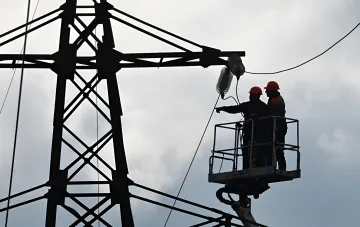
As noted by former Ukrenergo CEO Volodymyr Kudrytskyi, halting the financing of local budgets delivers a heavy blow to life-support facilities. Full-scale infrastructure functionality requires constant current expenditures: purchasing fuel, water purification reagents, gas, and necessary spare parts, as well as timely payment of salaries to utility workers. Frontline and border territories such as Kharkiv, Sumy, Zaporizhzhia, Kherson, and Kramatorsk, where the burden on infrastructure is multiplying, cause special concern.
The expert specifically emphasized the destructive impact of this decision on preparations for the heating season. Under conditions where utility companies cannot pay Naftogaz on time for gas supplies due to blocked accounts, the risk of disconnections and debt deadlocks emerges. Energy company management fears taking responsibility for debt restructuring due to potential legal consequences, which effectively blocks the possibility of promptly launching heat into citizens' homes.
Domino Effect and Managerial Crisis
Beyond the energy sector, freezing treasury funds triggers a chain reaction of problems across all areas of municipal management. According to Kudrytskyi, cities could face the paralysis of public transport due to the inability to pay drivers' salaries and purchase fuel. Furthermore, a paradoxical taxation situation arises: local enterprises and institutions cannot make payments, yet tax authorities continue to accrue penalties for delays, ignoring the actual reason for the treasury block.
Such multi-level crisis phenomena are extremely difficult to quickly neutralize. The Association of Cities of Ukraine also confirms the critical nature of the current situation, emphasizing that due to the freezing of 20 billion hryvnias, local communities risk disrupting the schedule for preparing for the autumn-winter period, which starts in October.
Causes of Budget Deficit and Search for Solutions
Experts attribute the main cause of this acute liquidity shortage in the state budget to inefficient fiscal policy and sluggish key reforms. As Volodymyr Kudrytskyi points out, the deficit formed largely because Parliament and the government delayed the implementation of anti-corruption initiatives, the fulfillment of which is a mandatory condition for receiving large-scale financial assistance from international partners and European donors.
Thus, attempts to patch holes in the state budget at the expense of local community funds could lead to a systemic managerial and humanitarian crisis within the country. The further course of events will depend on the central authorities' readiness to review the introduced restrictions and find compromise mechanisms for financing regions before peak cold weather sets in.