
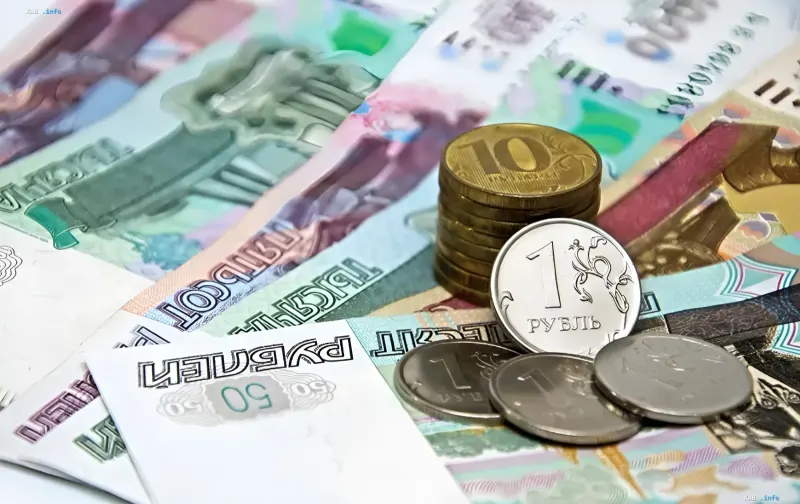
The Russian banking system, despite its apparent stability, harbors serious threats capable of triggering a massive financial collapse. This is the conclusion reached by European Union analysts who published an intelligence report detailing the vulnerability of Russian credit institutions in the face of new restrictions.
The Illusion of Stability and the War Economy
The document, intended to inform European officials, indicates that Russian banks are bearing the primary burden of financing the war economy. Although the country's financial institutions withstood the initial shock of sanctions imposed after the start of the full-scale invasion of Ukraine in 2022, their actual condition is deteriorating.
Experts note that state support programs, debt restructuring, and subsidized lending create only an illusion of a dynamically developing economy. In reality, these measures mask the growing indebtedness of households and the corporate sector, forming an "explosive" situation.
Forecast Adjustments and Rising Debt Burden
Signals of impending problems are also coming from within the country. The Russian Ministry of Economic Development was forced to significantly adjust its forecasts: the expected GDP growth has been lowered to 0.4% in 2026 (from 1.3%) and to 1.4% in 2027 (from 2.8%).
The key issue is the quality of the loan portfolio. Banks are forced to issue preferential loans to defense enterprises and other priority borrowers, leading to an increase in the volume of loans that may never be repaid. Bankruptcy statistics for citizens show an alarming trend: in 2025, more than 500,000 Russians declared bankruptcy, which is a third higher than the previous year's figures.
Furthermore, state initiatives are encouraging citizens to over-borrow. According to the report, more than 13 million Russians are simultaneously servicing three or more loans.
Government Response and New Sanctions
Official representatives of the Russian financial sector are trying to calm the market. Deputy Chairman of the Central Bank, Philipp Gabunia, stated in June that vulnerabilities in the sector are not critical. He pointed to record capital reserves over three years and a low level of problematic corporate loans, amounting to only 4%.
However, Brussels is taking a different stance. European diplomats are considering the possibility of introducing targeted sanctions against Russian banks and cryptocurrency networks. The list of restrictions could include dozens of individuals and legal entities, including about 90 more banks. This would result in more than half of all Russian credit institutions with international ties ending up on the "black list".
Social Consequences and Budget Deficit
The reorientation of the economy to military needs inevitably affects the well-being of the population. Citizens are forced to cut spending on basic goods, including clothing and food. At the same time, the Russian federal budget is experiencing an acute deficit, and authorities are looking for new sources of financing to maintain military expenditures, risking triggering an economic shock.


