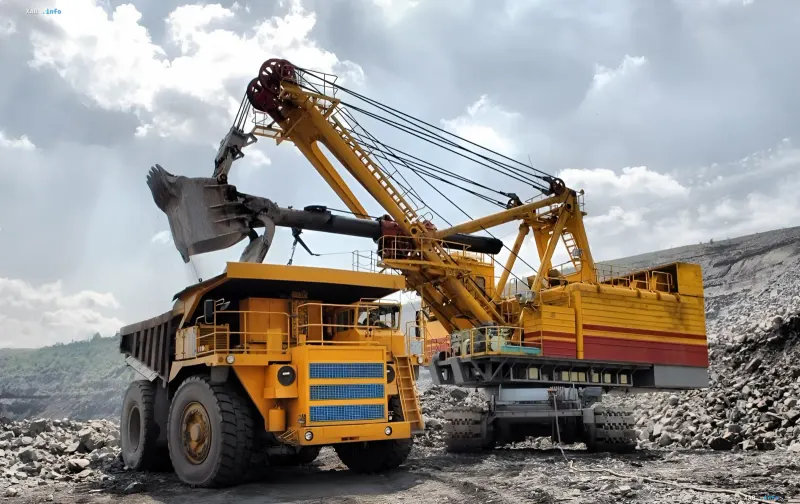
Ukraine's mining sector, traditionally one of the main foreign currency donors to the economy, has faced an unprecedented crisis. By the end of the first seven months of 2026 (January–July), iron ore exports fell by 27.3% compared to the same period last year, reaching a figure of 13.9 million tons. Financial losses from this collapse are estimated in the billions of dollars, threatening the stability of the country's entire metallurgical industry.
Economic Blow: Revenue Drop and Currency Losses
According to calculations based on data from the State Customs Service, revenue from ore exports for the first seven months of the year fell to $1.08 billion, which is 14.5% less than a year ago. The situation is worsening in dynamics: in July 2026, the export volume amounted to only $148 million, which is 22% lower than July 2025 figures. Experts from GMK Center note that such dynamics indicate a systemic failure in logistics chains and a loss of competitiveness of Ukrainian products in external markets.
Triple Blow: CBAM, Duties, and Logistics
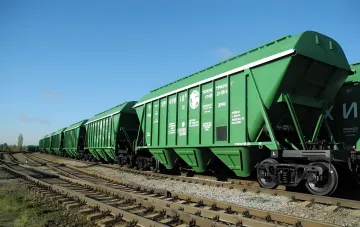
The critical state of the industry was formed under the influence of three factors. First, the cross-border carbon adjustment mechanism (CBAM) came into force on January 1, 2026, which effectively became an environmental tax for Ukrainian enterprises that did not have the opportunity to modernize under war conditions. Second, on July 1, the EU introduced strict protective duties on Ukrainian metallurgy. Third, the government decided to rapidly increase railway transport tariffs by 30%, making land exports economically unviable for many market players.
Port Blockade and the Tragedy of 'Golden Leo'
The logistics collapse is exacerbated by military actions. Ukrainian exporters found themselves in a critical situation due to the enemy's blockade of Black Sea ports. Targeted attacks by the Russian Federation on the ports of Greater Odesa have effectively halted shipping, putting more than 60% of Ukrainian exports at risk. A key event that demoralized the shipping business was the attack on July 19 on the bulk carrier 'Golden Leo' flying the flag of Guinea-Bissau. As a result of the attack, 9 foreign sailors and a Ukrainian pilot died, and the ship subsequently sank. This event became a turning point after which insurance companies practically stopped insuring ships heading to Ukrainian ports.
Contradictory Data
There are discrepancies between various sources in assessing the scale of the crisis. While GMK Center calculations, based on customs data, record a 27.3% drop in ore exports over seven months, other analytical reports, in particular data published in the media, point to more dramatic figures. Some sources report a decrease in exports of almost 34% and even a loss of more than 42% of foreign currency revenue in certain segments. These discrepancies may be related to different accounting of transit operations or a time lag in statistics, however, all sources agree on one thing: the industry is on the verge of collapse.
Forecast: Half of Enterprises to Shut Down
The sum of all negative factors — from environmental fines to the inability to unload in ports — has led to pessimistic forecasts. According to statements by relevant associations, the current situation will lead to the shutdown of up to half of the industry's enterprises. This threatens not only job losses but also a critical reduction in foreign currency inflows to the budget, which, in the context of the ongoing war, is a factor of existential threat to Ukraine's macroeconomic stability.