F-16 Fighter Jet Crashes During Exercises: Pilot Ejects
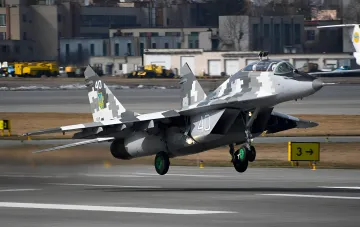
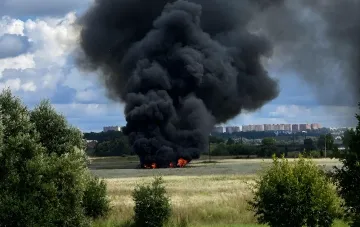
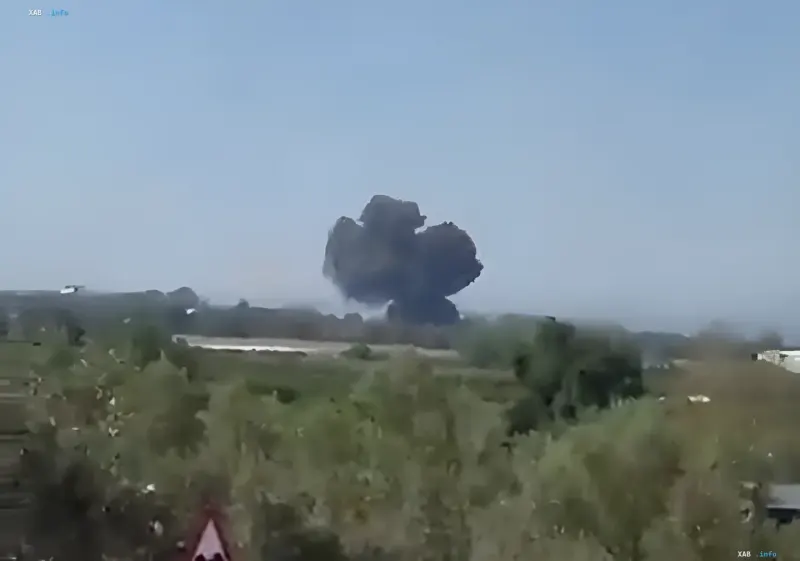
On August 12, 2026, a serious aviation incident occurred in northwestern Turkey, in the province of Yalova. An F-16 Fighting Falcon fighter jet belonging to the Turkish Air Force crashed during a scheduled training flight. According to the Turkish Ministry of National Defense, the pilot managed to eject in time and was evacuated from the landing site. His life is currently out of danger, but details of the incident continue to be the subject of close attention both within the country and abroad.
Incident Details and Economic-Technical Parameters of the Aircraft
The incident occurred during the day over an uninhabited area, which allowed avoiding casualties among the civilian population and infrastructure damage. Search and rescue teams, ambulance brigades, and law enforcement officers were immediately dispatched to the crash site. The F-16 Fighting Falcon, of American manufacture, is the backbone of the Turkish Air Force's frontline aviation fleet. Depending on the modification (Block 30/40/50/70) and the configuration of onboard radio-electronic equipment, the market value of one unit ranges from $43 million to $55 million, excluding maintenance and armament.
Investigation Procedure and Official Statements
The Turkish defense ministry confirmed the loss of the aircraft and announced the start of a specialized investigation. In an official communique, the ministry stated that the pilot successfully used the emergency ejection system. To determine the exact causes of the malfunction, a special technical commission has been formed consisting of Air Force experts and flight safety inspectors. Until the expert commission completes its work and analyzes the data from the flight recorders ("black boxes"), relevant departments are refraining from putting forward preliminary versions, including equipment failure, human error, or external interference.
Contradictory Data
At present, there are some discrepancies in the versions of events. On the one hand, official sources emphasize that the incident occurred during a scheduled training flight, which may indicate a technical malfunction or pilot error. On the other hand, some experts suggest the possibility of external factors, such as weather conditions or even third-party interference. However, these versions have not yet been confirmed and remain speculative.
Impact on Regional Security and International Relations
The crash of the F-16 in Turkey could have serious consequences for regional security and international relations. Turkey, as a NATO member, actively participates in joint exercises and operations with allies. The loss of a fighter jet could affect partner trust and raise questions about the reliability of Turkish aviation equipment. Furthermore, the incident could become a reason to review security strategies and modernize the military aviation fleet.