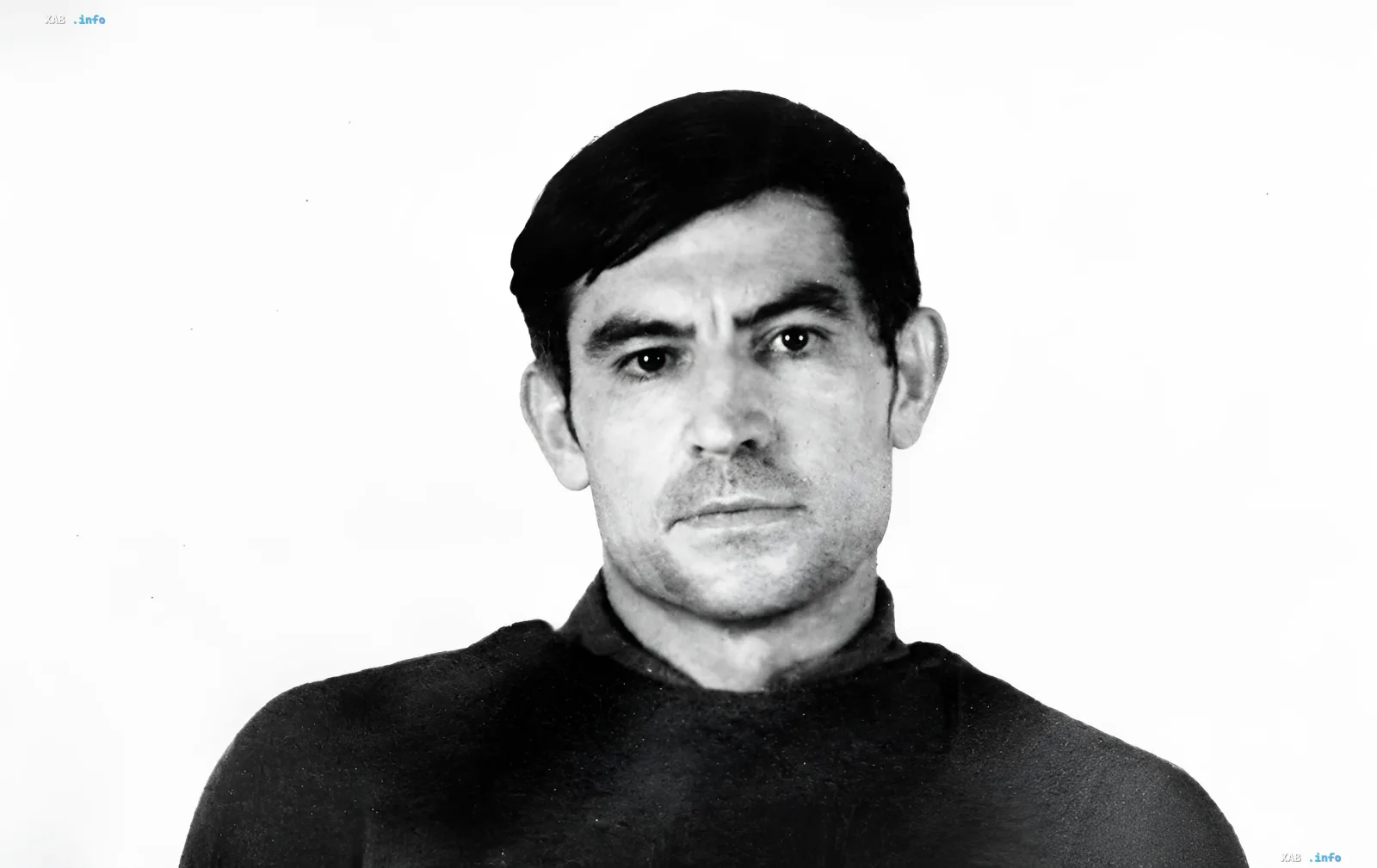
In the autumn, a new banknote will be put into circulation in Ukraine — the largest denomination in the history of the national currency. The face value of the banknote will be 2,000 hryvnias, and its main element will be the portrait of Vasyl Stus. The choice of personality for the image on money is not just a tribute, but a way to anchor in the public consciousness the key figures who defined the country's path.
The poet who became a symbol of resistance
Vasyl Stus is a figure whose name is inextricably linked to the history of the struggle for human rights and Ukraine's independence. He was not only an outstanding poet and translator but also an active human rights defender whose civic stance led to years of repression by the Soviet authorities. Stus became one of the leaders of the dissident movement and a member of the Ukrainian Helsinki Group, openly speaking out against political persecution.
The poet was born on January 6, 1938, in the village of Rahnivka in the Vinnytsia region. His childhood and youth were spent in Donetsk (then Stalino), where he became interested in literature from an early age. After finishing his studies, he worked as a Ukrainian language teacher in the Kirovohrad region, and then served for two years in the Urals, where he began actively writing poetry and translating foreign poetry.
The fight for truth and the price of convictions
Stus's first public political act was his participation in a protest at the "Ukraine" cinema in Kyiv in 1965. During the premiere of the film "Shadows of Forgotten Ancestors," he joined a demonstration against the mass arrests of the Ukrainian intelligentsia. His cry: "Where is the truth? Why are they not allowed to speak the truth?" became a symbol of resistance. For this, he was expelled from graduate school.
Despite the pressure, Stus continued to write, translate, and speak out against repression. In 1972, he was arrested for the first time. After the investigation, he was sentenced to five years in a strict-regime camp and three years of exile. In 1980, during the second trial, he was declared a "particularly dangerous recidivist" and sentenced to 10 years in a camp and 5 years of exile. The poet's defender was Viktor Medvedchuk, who, contrary to his client's position, admitted his guilt in court.
Death in the camp and posthumous recognition
On the night of September 4, 1985, Vasyl Stus died in the punishment cell of the "Perm-36" camp after declaring a dry hunger strike. The official cause of death was cited as heart failure, however, many researchers and human rights defenders believe that his death was a result of cruel treatment. The poet was buried without the presence of relatives, and his death was hidden from other dissidents. Only in November 1989 was Stus's remains reburied in Kyiv at Baikove Cemetery, together with the remains of his comrades who also died in the camp.
In 1990, the Supreme Court of the Ukrainian SSR posthumously rehabilitated Vasyl Stus, declaring his conviction illegal. The following year, the poet was awarded the Taras Shevchenko State Prize, and in 2005 he was posthumously awarded the title of Hero of Ukraine.
Legacy and relevance today
Today, Vasyl Stus is considered one of the symbols of the Ukrainians' struggle for freedom, human rights, and state independence. His poetry, dedicated to freedom, human dignity, and moral choice, remains relevant. The most famous collection is considered to be "Palimpsests," published after his death in 1986.
The Soviet authorities launched a campaign to discredit Stus's work: books were confiscated, manuscripts seized, and some works destroyed. His poetry was publicly called ideologically harmful and unacceptable for Soviet society. At the same time, Vasyl Stus's writing style harmoniously combined the Ukrainian tradition with the best examples of world, especially European, heritage.
The poet also translated from English, German, Spanish, French, and several Slavic languages. Stus called the years 1965–1972 the happiest in his life. It was then that he married Valentyna Zolukha, and in 1966 the couple's son, Dmytro, was born.
The introduction of a new banknote with the image of Vasyl Stus is not only an economic decision but also an important cultural and historical gesture. It highlights the importance of his legacy for modern Ukraine and reminds us of the price paid for freedom and truth.


