A fake version of the WhatsApp messenger has been discovered in the official Google Play application store, managing to rack up over 500,000 downloads. The application almost completely copies the design, screenshots, and description text of the original messenger, making it visually indistinguishable to the average user. According to Android Authority, the fake appeared in the store last month and, at the time of publication, has still not been removed from the catalog.
The Copy in Detail: One Account, One Fake
The developer of the fake messenger is listed as the account «Agment Assets sallu». This is the only application available in their profile, and it almost verbatim replicates the design of official WhatsApp: the same icons, the same screenshots, the same description text. This scheme — creating a new account with a single "copy" of a popular application — is typical for fraudulent campaigns aimed at intercepting traffic, collecting user data, or distributing malicious code. At the same time, the developer made no effort to disguise themselves: the complete match of visual elements with the original points more to a deliberate desire to "hide" in the shadow of a famous brand than an attempt to create an independent product.
Early Access as a Shield from Reputation Checks
One of the key reasons why the fake was not recognized and removed immediately was Google Play's Early Access program. For apps participating in this program, public user reviews are completely disabled. This means that a potential user opening the listing for the fake WhatsApp will not see a single review — neither positive nor negative. Under conditions where the original messenger has millions of ratings, the lack of reviews should be a warning sign in itself, but for an inexperienced user looking for "just WhatsApp," this signal is easily ignored. In fact, Early Access turns into a tool allowing scammers to launch dubious applications without a reputation footprint.
Sponsored Ads Above the Original
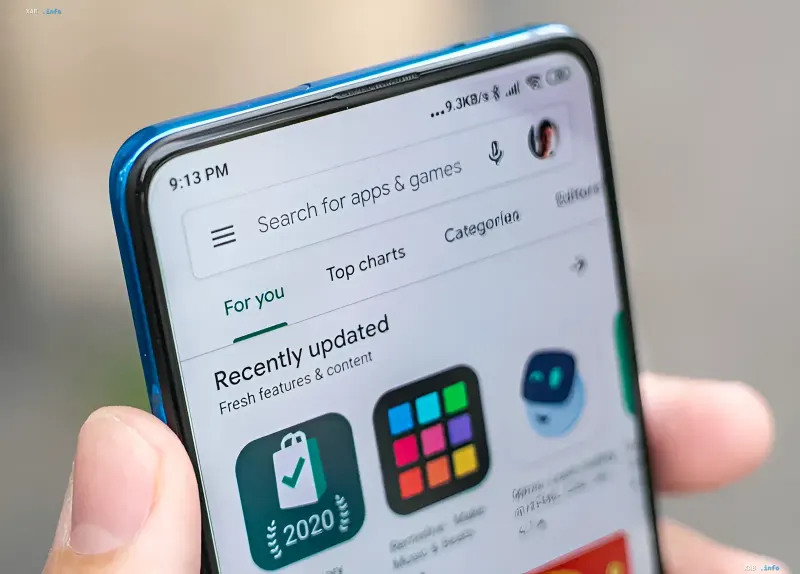
Of particular concern is that the fake application was displayed in sponsored search results on Google Play — and furthermore, positioned above the original WhatsApp. This means that a user entering the query "WhatsApp" in the store's search bar could see the copy in the top position, while the real messenger ended up lower down. According to Android Authority, however, such advertising was not shown to everyone: the publication's journalist did not find the fake in the top positions in either the mobile or desktop versions of Google Play. This indicates that the sponsored promotion may have been targeted at a specific geographic or demographic audience, or at specific devices and system versions.
Scale: Half a Million Versus Ten Billion
For comparison: the official WhatsApp has over 10 billion downloads on Google Play, whereas its fake copy gathered over 500,000 in a short time. This means that every 20,000th WhatsApp downloader could have become a victim of the substitution. Given that the messenger is used for business and personal correspondence, banking operations, and document exchange, even a small share of users who installed the fake represents a serious risk of personal data leaks. At the time of Android Authority's publication, the fake application was still present in Google Play, leaving a window of vulnerability for new victims.
The case of the fake WhatsApp clearly demonstrates a systemic problem: the combination of sponsored advertising, the early access program without reviews, and aggressive copying of visual design allows fraudsters to intercept traffic from one of the most popular applications in the world. Users are advised to install messengers exclusively via direct links or by verifying the developer's name (Meta Platforms Inc.) before downloading, rather than relying on search result positions.