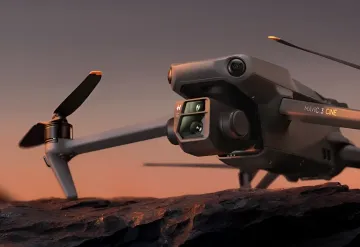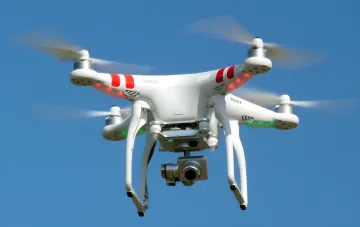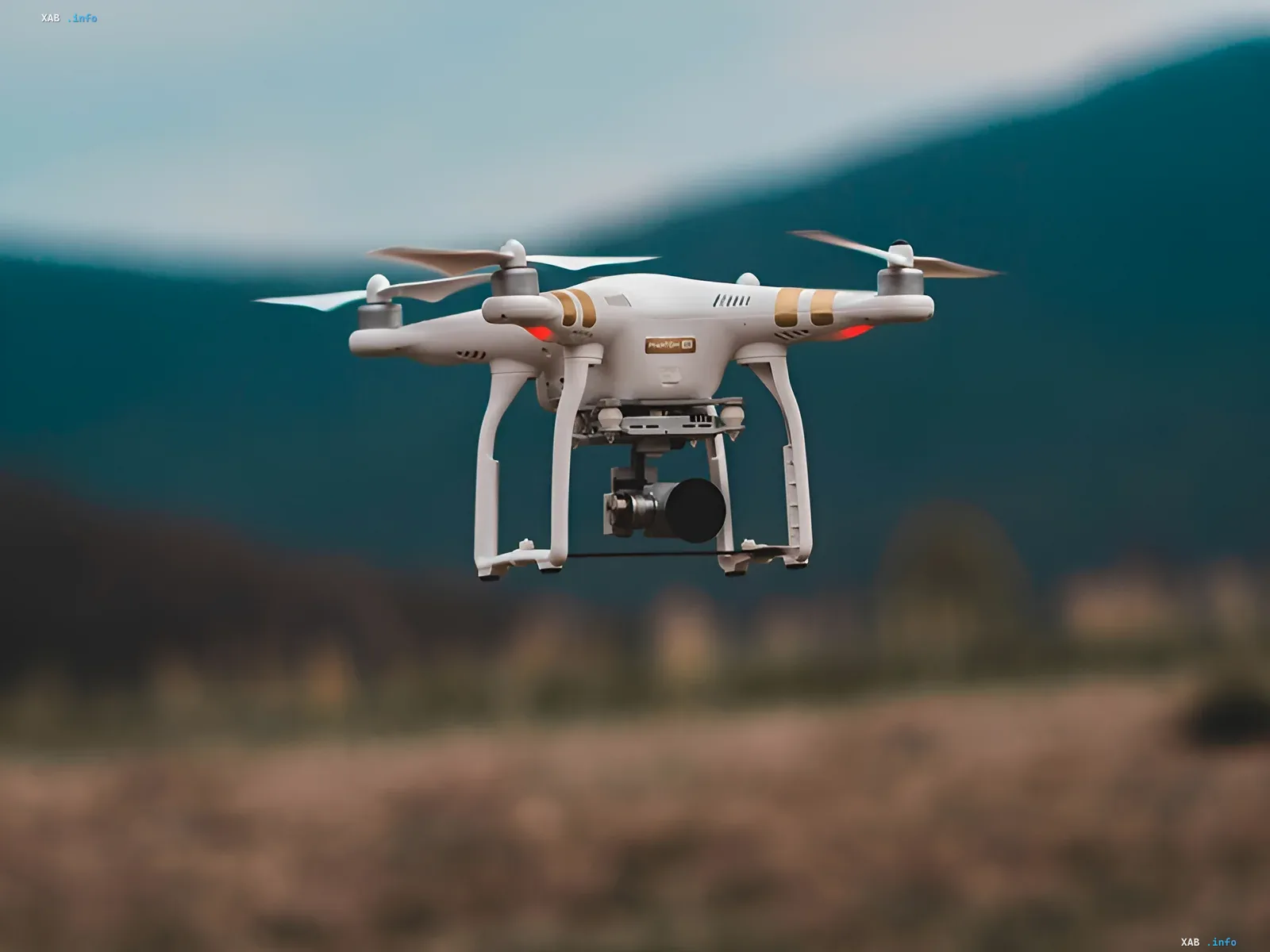
The Federal Communications Commission (FCC) has announced its intention to retroactively revoke licenses for the use of drones that the regulator classifies as 'military-grade.' This decision affects a wide range of devices, including popular consumer models such as the DJI Air 3S, Avata 360, and Mini 5 Pro. The key criterion for this classification is the presence of a collision avoidance system based on LiDAR technology. The final decision will be made after a period of public comment, which will last until September 2, 2026.
Classification Criteria and List of Affected Devices
According to the FCC statement, the definition of 'military-grade' includes not only drones with LiDAR but also aircraft equipped with thermal imaging cameras. Specifically, models such as the DJI Mavic 3 T, which are widely used for industrial inspections and search and rescue operations, are at risk of being banned. Furthermore, the regulator has included agricultural drones in this list, such as the DJI Agras, used for seeding and pesticide spraying.
Impact on the Commercial and Enthusiast Sector
A ban on the sale and use of such drones in the US could seriously affect the work of content creators, real estate photographers, cinematographers, and enthusiasts. For many of them, reliable drones with advanced navigation systems are the primary tool for aerial videography and photography. Losing access to these devices could lead to significant financial losses and a decline in the quality of services provided.
Additional Restrictions and Threats to Other Brands
The 'military-grade' category also includes all foreign drones weighing more than 25 kg and aircraft using docking stations, such as the DJI FlyCart series drones. Additionally, the license to sell the DJI Dock, used with Matrice corporate drones, may be revoked. It is reported that the US regulator also plans to retroactively revoke licenses for the supply of cameras and drones from the brand Xtra, which, according to the FCC, use DJI technologies, as well as portable power stations and internet routers of foreign manufacture.
Contradictory Data
There are disagreements regarding the accuracy and justification of the FCC's classification. Supporters of the regulator argue that the presence of LiDAR and thermal imaging cameras makes drones potentially dangerous to national security. However, industry representatives and experts point out that many of these technologies are used exclusively for civilian and commercial purposes, and their ban could cause serious damage to the economy and innovation. Furthermore, some sources report that the final decision may be softened or reconsidered after public discussion.
Prospects and Possible Consequences
The final FCC decision will be made after the public comment period, which will last until September 2, 2026. If the ban is confirmed, it could lead to significant changes in the US drone market, including reduced competition and rising prices for remaining devices. There is also a possibility of increased interest in domestic drone manufacturers, who could fill the vacated niches.