The US Federal Communications Commission (FCC) has significantly tightened access rules for the American market for equipment critical to modern energy systems. For the first time, grid-tied power inverters have been included in the list of devices subject to restrictions on national security grounds. This decision directly affects owners of home solar power plants and users of portable power stations.
A New Front in the Cybersecurity Battle
Inverters are the "heart" of any energy storage system. They are responsible for converting direct current from batteries into alternating current, which is necessary for the operation of household appliances and integration into the general power grid. It is precisely this function that has made them a new object of close attention for American regulators.
The main reason for tightening control is cybersecurity risks. Experts and FCC representatives point to the possibility of remote firmware updates in modern devices. Theoretically, this opens the way for potential interference with equipment operation, which on the scale of energy infrastructure could have critical consequences.
Who is Affected
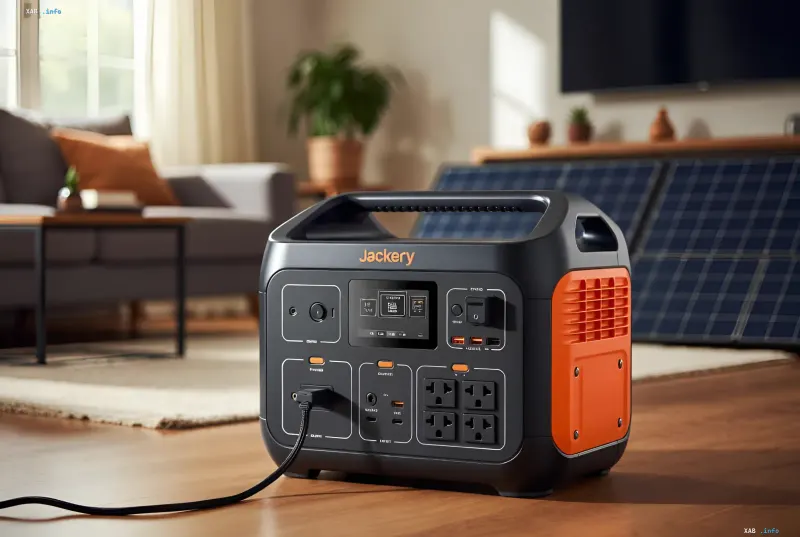
Although the new rules are formally addressed to equipment for energy infrastructure and solar generation, their impact will be wider. New models of home energy storage systems and portable power stations, a significant portion of which are currently produced by Chinese companies, may fall under restrictions.
Regulators are paying special attention to devices equipped with Wi-Fi and Bluetooth modules. Such inverters will face additional checks and a significantly more complex procedure for obtaining sales approval. According to local media, this could noticeably complicate the launch of imported products onto the US market.
Consequences for the Market and Consumers
It is important to note that the restrictions will not affect already certified devices and models that are officially sold or operated in the US at this time. However, the situation for new products will change radically.
If the FCC begins to apply new requirements in full, this will lead to the following consequences:
- Significant reduction in the assortment of portable and home power stations in American stores.
- Price increases for remaining models due to complicated logistics and certification.
- Reduced competition from manufacturers unable to pass new security checks.
At the same time, the possibility of obtaining individual exemptions and using local supply chains for certain manufacturers remains. Nevertheless, this FCC move continues the trend of restricting Chinese technology access to critical US infrastructure, where robot vacuums and robotic lawnmowers were previously included.