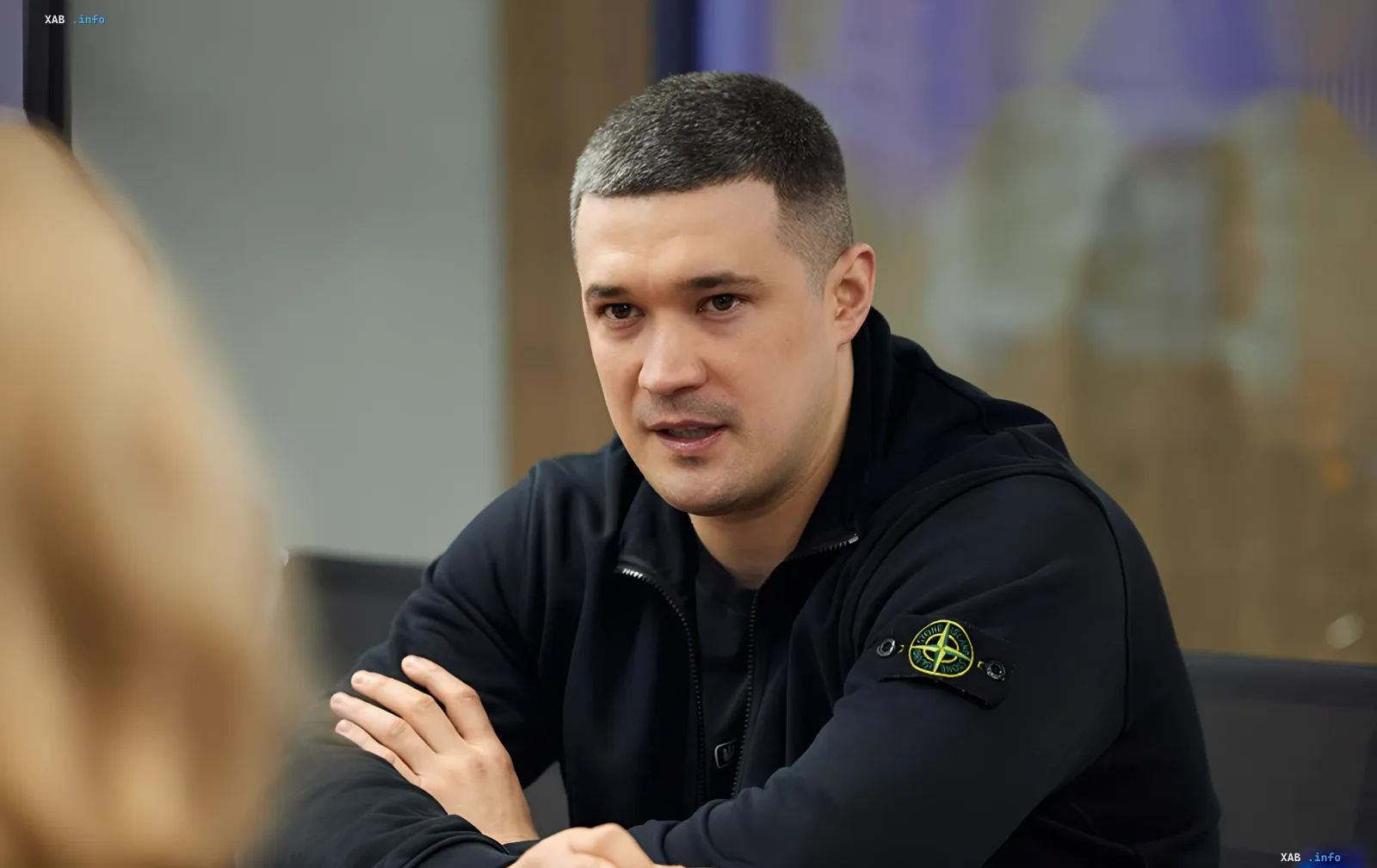
Internal friction has not been absent from the Ukrainian military department. Defense Minister Mykhailo Fedorov, in an interview with TSN cited by RBC-Ukraine, spoke openly for the first time about disagreements arising between him and the Commander-in-Chief of the Armed Forces of Ukraine, Oleksandr Syrsky.
The discussion about the difficulties in managing the army took place immediately after a joint meeting with brigade and grouping commanders. Large-scale changes in the army structure were being discussed, and it was at this moment that divergences in views on key issues became evident.
Finances and resources: the battlefield for efficiency
Fedorov emphasized that, despite the disputes, he and Syrsky remain on the same team — the team of Ukraine and the President. However, sharp discussions flare up between them when making strategic decisions. The main conflict revolves around financial support and the distribution of material resources.
The Minister gave a specific example: the initiative to introduce predictable basic support for brigades for each month. What could have been approved in a week went into the stage of coordinating details for several months. According to Fedorov, such delays cause emotional reactions and heated arguments.
"We can argue harshly about one decision or another. There are basic level issues... Somewhere we may have some emotions. We are still synchronizing," the Minister explained, calling such processes normal for managing a complex structure.
Context: the struggle for influence in the military bloc
Fedorov's admission came against the backdrop of reports of a tense political situation around the military department. Earlier, RBC-Ukraine sources noted that the Minister's relationship with the President had cooled, and conflicts around him were intensifying.
Interviewees pointed out that the tension between Fedorov and Syrsky has deep underlying causes. The Ministry of Defense, according to experts, is trying to expand its influence and enter the sphere of authority of the General Staff and the Armed Forces command. In addition, the Minister and the Commander-in-Chief have fundamental differences in their approaches to conducting the war.


