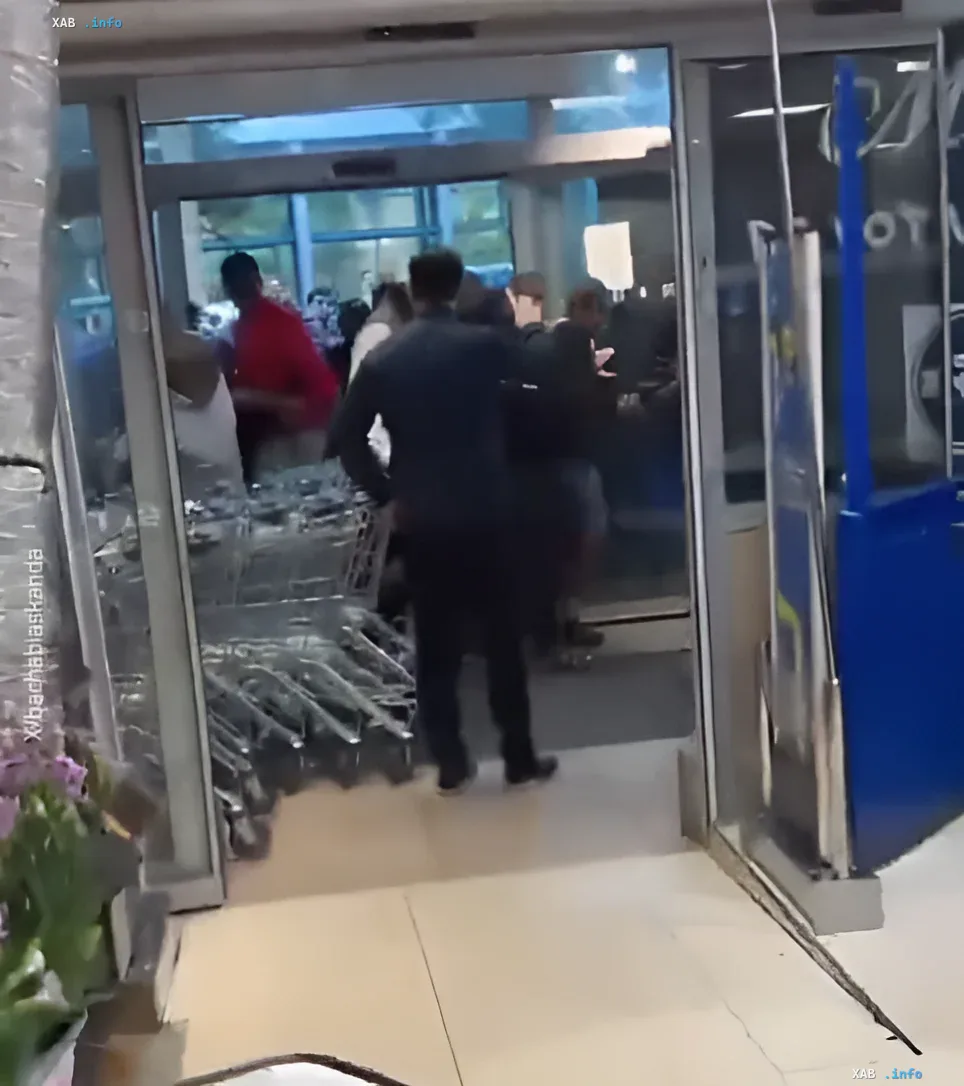
The morning of July 2, 2026, in France began not with coffee, but with mass riots. In several cities across the country, including the capital region of Île-de-France, stores of the German discounter Lidl became the arena for a fierce struggle for climate control equipment. Against the backdrop of anomalous heat and a predicted new heatwave, shoppers were ready to do anything to gain access to the limited offer.
The reason for the frenzy was the chain's decision to put a batch of mobile air conditioners and fans on sale for prices starting at 179 euros. For comparison: the average cost of similar systems in other French stores at that moment exceeded 1200 euros. The price difference of nearly seven times turned an ordinary grocery run into a real hunt, where everyone wanted to grab one of the few units allocated to a specific branch.
Geography of Chaos: From Verbal Altercations to Road Blockades
The situation got out of control almost immediately after the stores opened. Thousands-long queues, formed before dawn, required the intervention of law enforcement agencies. According to regional services and eyewitnesses, the most tense situation developed in the following locations:
- Nanterre (Hauts-de-Seine): Here, a crowd unwilling to wait for opening forced their way through the supermarket entrance doors. Police officers were forced to arrive at the scene to restore order.
- Saint-Denis (Seine-Saint-Denis): In this area, the fight for a place in the queue escalated into physical altercations. Shoppers got into fights trying to secure a favorable position near the shelves with promotional goods.
- Sevran and Livry-Gargan: In the northern suburbs of Paris, an accumulation of vehicles led to the complete blockage of central road arteries and parking areas, creating massive traffic jams.
In response to the escalation of conflicts, directors of several retail outlets decided to temporarily keep the doors closed, waiting for the situation on the adjacent streets to stabilize.
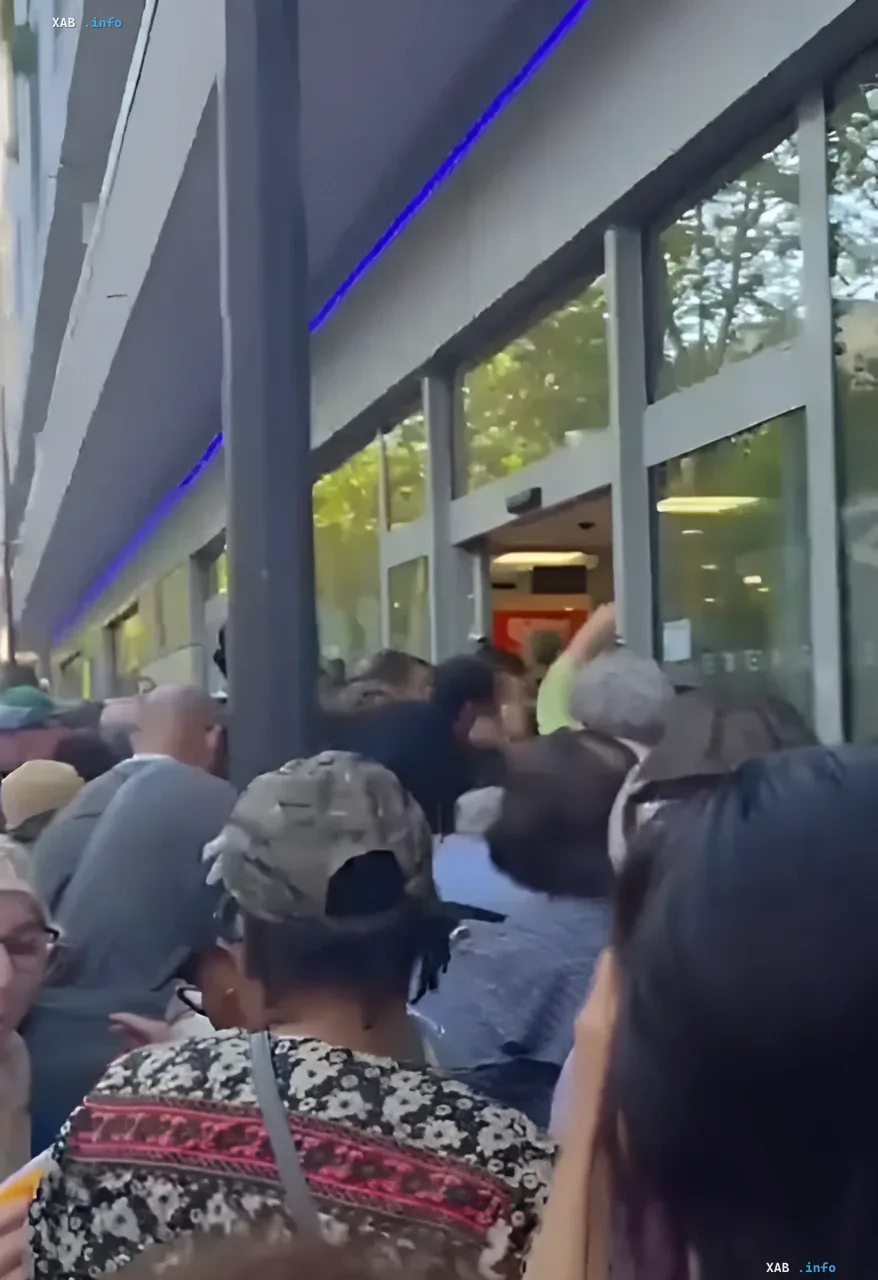
Statistics and Causes: Why France is Not Ready for the Heat
The frenzied demand for 200,000 units of equipment released as part of the promotion has deep social and climatic causes. According to data from the environmental agency Ademe, the share of households in France equipped with air conditioners is only 24% (as of 2025). This is a significant increase compared to 18% in 2023, however, the level of equipment remains low.
Traditionally, the French housing stock did not provide for artificial cooling systems, as the summer climate of the region was historically considered moderate. In addition, the population was skeptical about energy-intensive equipment for reasons of environmental safety. However, the sharp change in weather conditions in 2026, with a rise in average temperatures in June and July, forced a rethinking of these views.
Retailer's Position and Legal Consequences
In an official statement, a representative of Lidl France expressed support for the staff who faced force majeure circumstances. The company emphasized that the safety of employees and visitors remains an absolute priority. Nevertheless, the massive queues and shortage of goods led to logistical and operational failures that the chain could not prevent.
For the participants of the riots, the consequences could be serious. According to Article R642-1 of the French Penal Code, intentional destruction or damage to someone else's property, as well as disturbing public order in commercial establishments, entail administrative and criminal liability. Offenders face fines and the obligation to compensate for material damage.


