
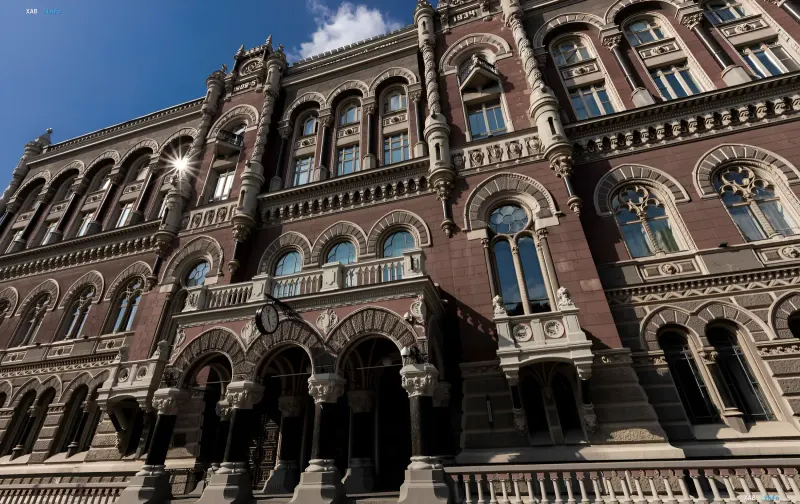
The financial markets of Ukraine and Russia are demonstrating diametrically opposite dynamics. According to the latest data, the financial stress index in Ukraine has returned to January 2022 levels, while the situation in Russia is rapidly deteriorating, reaching new peaks.
This is evidenced by reports from the National Bank of Ukraine (NBU) and data from The Moscow Times, published by RBC-Ukraine.
Ukrainian Market Dynamics
At the beginning of 2026, the regulator recorded fluctuations in the financial stress index. These movements were caused by a complex of factors: the weakening of the national currency and the seasonal reduction of liquidity norms in the banking sector.
However, in the spring, the situation underwent significant changes for the better. The corporate securities sub-index played a key role in stabilization. Its improvement became possible because Ukrainian companies began to massively repay high-yield Eurobonds.
Share prices of Ukrainian companies on the Warsaw Stock Exchange also made a positive contribution. The NBU report notes that the government securities sub-index has reached its lowest values since the beginning of the full-scale invasion. This was the result of a decrease in the yield of OFZ (Ukrainian government bonds) and a narrowing of spreads on sovereign Eurobonds.
The National Bank emphasizes that the financial stress index reflects exclusively the current state of the financial sector, without taking future risks into account. At the same time, the indicator itself remains volatile.
Crisis Indicators in Russia
While the Ukrainian sector shows signs of stabilization, in Russia the financial stress index has set a new historical maximum. The indicator reached 2.47 points, which is a record since October 2022.
Experts from The Moscow Times note an alarming trend: the value of the indicator has come very close to the maximum threshold of 2.5 points. Historically, exceeding this level correlates with periods of deep crises in the country's financial system.
Context and Additional Factors
Against the backdrop of these events, the National Bank of Ukraine recorded the longest period of rapid credit growth in the last 15 years. The regulator also recently revised the refinancing rate, providing explanations regarding its decision.
In addition, the regulator's agenda includes issues related to the unprofitability of Ukrposhta and the case against Igor Smelyansky, on which the NBU has already made an official statement.


