
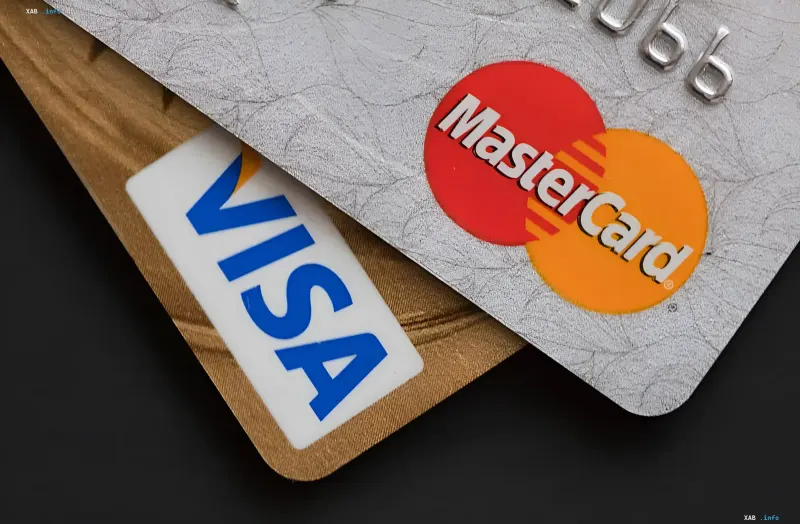
The European Union has entered a phase of active struggle for financial sovereignty, aiming to minimize critical dependence on American payment systems. According to Bloomberg, Brussels views the dominance of Visa and Mastercard not merely as a commercial issue, but as a threat to economic security. Statistics show that approximately 77% of all digital payments in Europe pass through American platforms, making the continent vulnerable to external pressure.
Monopoly Risks and Sanctions as a Weapon
The primary motivation for creating its own infrastructure is the experience of payment systems being used as a tool of geopolitical influence. European regulators openly point to precedents where Washington cut off entire countries—such as Russia and Iran—from the global Visa and Mastercard financial network as part of sanctions regimes.
In Brussels, there are fears that in the event of an escalation of transatlantic conflicts or the start of trade wars, the US could apply the same mechanism against Europe itself. The statistics of dependence look alarming: in the UK, the share of American systems reaches 98%, while in the eurozone, two-thirds of card transactions pass through them. Moreover, 13 EU member states still do not have their own national card systems, making them completely dependent on decisions made in the US.
Replacement Strategy: Wero and the Digital Euro
Experts consider a complete abandonment of American giants in the near future unlikely; however, the EU is methodically building an independent duplicate circuit. The strategy is based on two key projects designed to ensure technological sovereignty.
The first element is the European wallet Wero, developed within the framework of the European Payments Initiative (EPI). The project is supported by the continent's largest banks and aims to consolidate disparate local services into a single network. Wero integrates popular systems such as Bizum in Spain, Bancomat in Italy, and Payconiq, creating a seamless environment for cross-border instant transfers. Forecasts suggest that by 2026, the base of active users of this structure will exceed between 50 and 130 million people.
The second, more fundamental step, is the launch of the Digital Euro. This project, initiated by the European Central Bank (ECB), is intended to become a state digital alternative to private cards. The European Parliament and the ECB are in the final stages of forming the regulatory framework necessary for the launch of full-scale integration and retail use of the new currency.
Transformation Prospects
Officials in Brussels admit that displacing the long-standing infrastructure of American corporations instantly is impossible. However, the current strategy is aimed at creating a reliable reserve that will allow the European economy to be protected from external levers of pressure. The development of Wero and the digital euro will serve as a stress test for the financial independence of the Old World.


